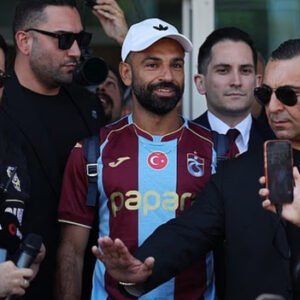
The whispers started quietly, almost too unbelievable to take seriously. But now, they’ve grown into a thunderous question echoing across the football world – why would Mohamed Salah, the face of Liverpool’s modern era, even consider walking away?
For years, Salah has not just been a player at Anfield. He has been its heartbeat, its symbol of resurgence, and its most reliable source of magic. So when reports began suggesting that his future at Liverpool F.C. was uncertain, fans and pundits alike were left stunned, searching for answers that still feel just out of reach.
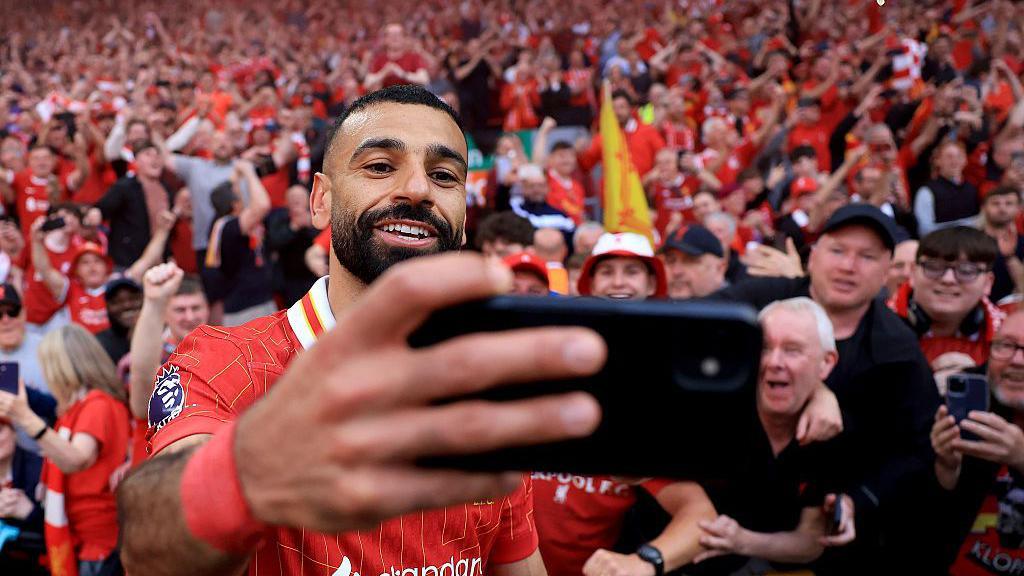
Salah’s journey at Liverpool has been nothing short of extraordinary. Since arriving in 2017, he has rewritten record books, delivered unforgettable moments, and helped restore the club to the summit of European and English football. Goals flowed almost effortlessly, whether in high-stakes Champions League clashes or tense Premier League battles. His influence extended beyond numbers. He became a global icon, admired for both his consistency and humility.
Yet even the most iconic stories eventually face turning points.
Behind the scenes, sources close to the situation suggest that this is not a sudden decision but rather the culmination of long-standing tensions and evolving ambitions. Salah, now in his early thirties, is acutely aware that his peak years are finite. For a player of his caliber, every season matters, every contract negotiation carries weight, and every decision shapes his legacy.
One of the key factors fueling speculation is the ongoing uncertainty surrounding his contract. While Liverpool has historically been cautious with long-term deals for players entering their thirties, Salah’s camp reportedly views his contributions as deserving of exceptional treatment. This difference in perspective has created a quiet but significant divide.
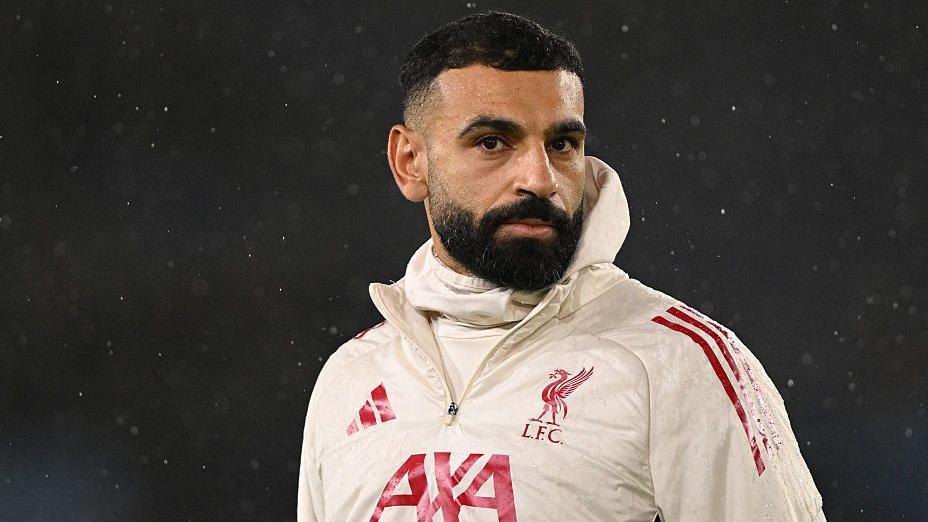
There is also the question of ambition. Liverpool remains a competitive force, but the landscape of European football is shifting rapidly. Financial powerhouses continue to reshape the balance of power, and new projects in emerging leagues are offering unprecedented financial incentives.
For Salah, the decision may not simply be about money or loyalty. It could be about timing, legacy, and the desire for a new challenge. After achieving nearly everything possible with Liverpool, from the Premier League title to Champions League glory, the idea of a fresh chapter may hold increasing appeal.
At the same time, those within the club insist that the situation is more nuanced than headlines suggest. Liverpool values Salah immensely, not just as a player but as a leader in the dressing room. His professionalism, work ethic, and influence on younger players have made him indispensable.
Still, football history has shown that even the strongest relationships can reach a crossroads.
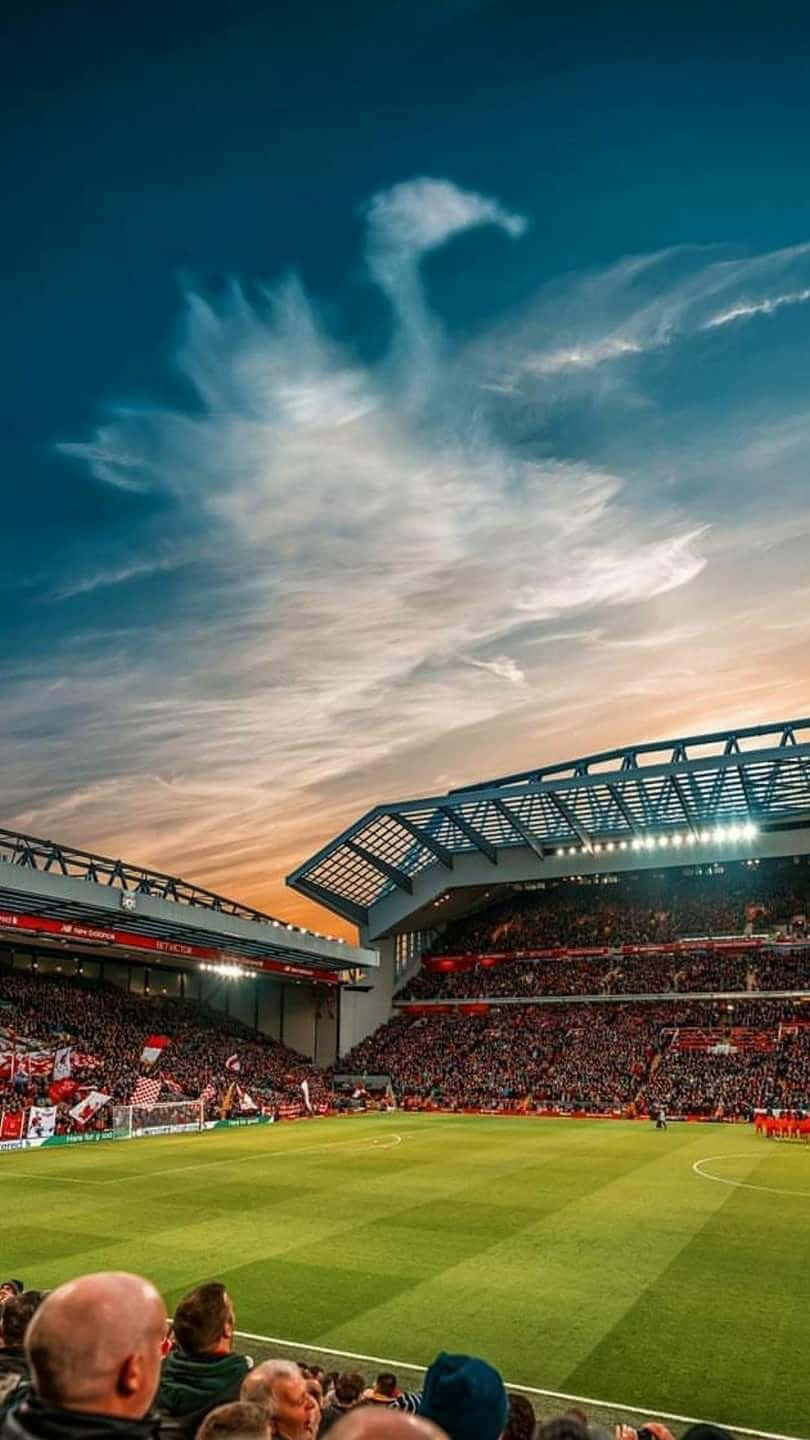
Fans, perhaps more than anyone, are caught in the emotional storm. For many, Salah represents an era defined by belief and triumph after years of near-misses. The thought of him leaving is not just about losing a world-class forward. It feels like the closing of a cherished chapter.
Social media has become a battleground of opinions. Some supporters argue that the club must do everything possible to retain him, even if it means breaking their wage structure. Others believe that Liverpool’s long-term stability should take precedence, emphasizing the importance of planning for the future.
What remains undeniable is the emotional weight of the situation. Every goal Salah scores now is watched with a mix of admiration and anxiety. Every celebration carries an unspoken question – is this one of the last?
Beyond contracts and speculation lies a deeper narrative about identity and evolution. Salah’s career has always been defined by resilience. From being doubted early in his European journey to becoming one of the most feared forwards in the world, he has consistently defied expectations.
Now, he faces a different kind of challenge – choosing what comes next.
Will he remain at Liverpool and continue to build on an already legendary legacy? Or will he step into the unknown, seeking a new environment that offers fresh motivation and perhaps a different kind of reward?
Those close to the player suggest that the decision is far from finalized. Salah is known for his focus and professionalism, and he continues to deliver on the pitch regardless of off-field uncertainty. Yet the longer the situation remains unresolved, the more intense the speculation becomes.
There is also the broader context of football’s evolving economics. The game is no longer confined to traditional power centers. New leagues are emerging with ambitious visions, and established stars are increasingly tempted by opportunities that were once unimaginable. Salah, as one of the sport’s most recognizable figures, sits at the center of this transformation.
Still, reducing his potential departure to financial motivations alone would oversimplify a complex reality. Legacy, personal fulfillment, competitive ambition – all of these factors are likely playing a role.
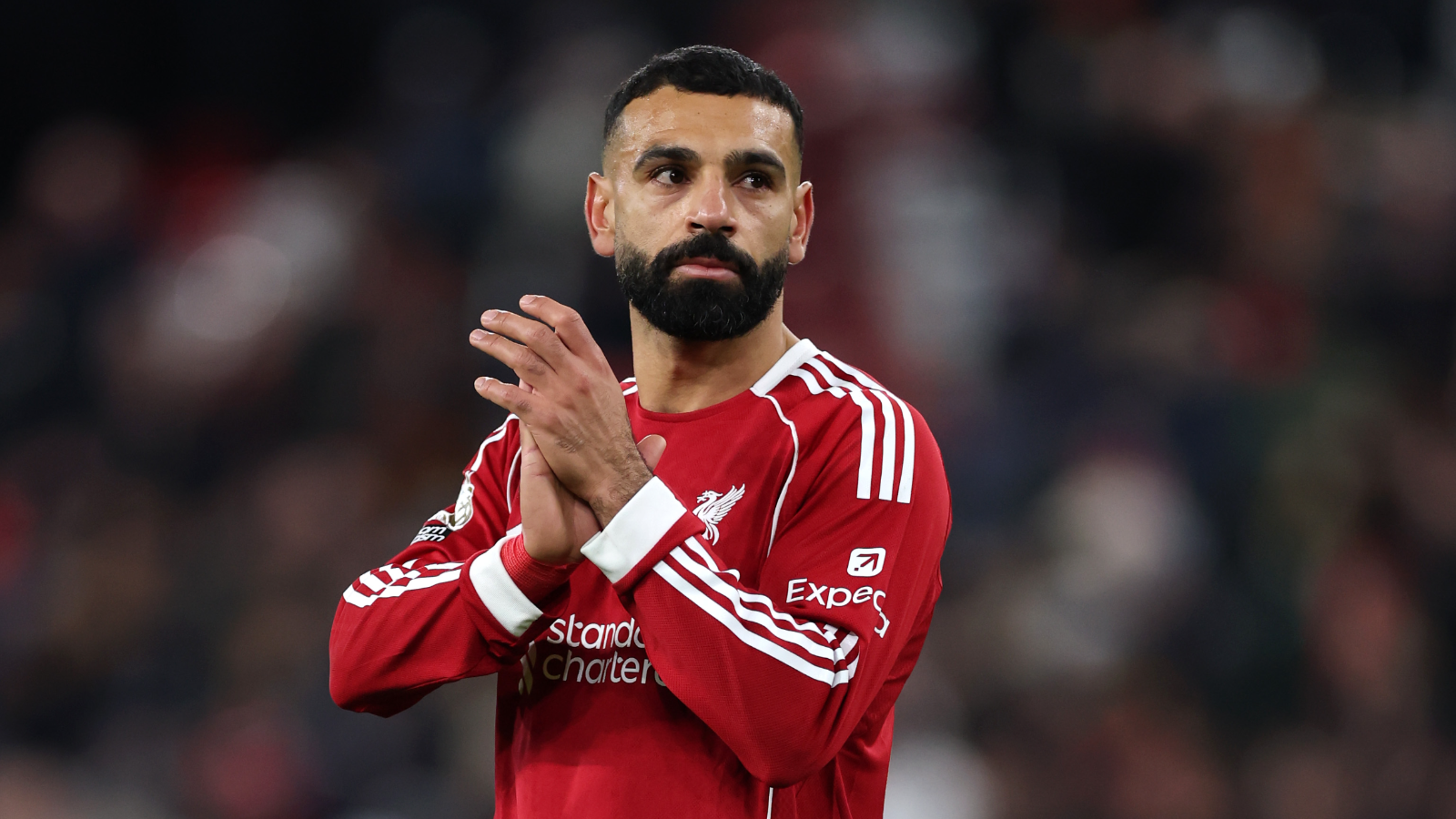
As the season unfolds, every match adds another layer to the story. Teammates remain supportive, coaches stay measured in their responses, and the club maintains a careful silence. Yet beneath the surface, the tension is unmistakable.
If Salah does leave, it will mark one of the most significant departures in Liverpool’s recent history. Replacing his goals, his presence, and his influence would be an enormous challenge. More importantly, replacing what he represents may prove impossible.
For now, the football world watches and waits.
Because this is more than just a transfer rumor. It is a moment that could redefine a legacy, reshape a club’s future, and alter the balance of power in the game. Whether Mohamed Salah stays or goes, the impact of this decision will be felt far beyond Anfield.
And perhaps that is what makes this story so compelling – not just the uncertainty, but the sense that something historic is about to unfold.