The silence has been louder than any headline. While fans expected a new era of stability under Arne Slot, what has unfolded at Liverpool FC instead feels like a slow, deliberate unraveling.
Behind the scenes, names have vanished. Not always with drama, not always with fanfare, but with a quiet finality that has left supporters increasingly uneasy. And now, with whispers growing louder around Mohamed Salah, the sense of an impending shock is impossible to ignore.

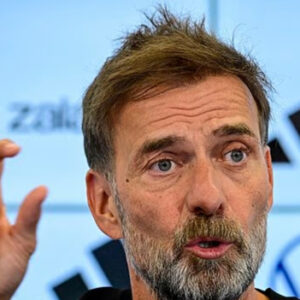
When Arne Slot arrived, he did not promise revolution. He spoke of evolution, continuity, and respect for what came before. But football transitions are rarely that simple.
Almost immediately, the squad began to shift. Some exits were expected, others barely registered at first. Players who had once been central to Liverpool’s identity found themselves slipping out of the picture.
Veterans who had defined an era under Jürgen Klopp were no longer guaranteed a place. The tactical demands changed, the energy shifted, and the message, though never loudly declared, was clear – adapt or move on.
The list of departures does not read like a dramatic purge. It feels more like erosion.
Players who once carried influence in the dressing room began to fade from matchday relevance. Some were sold, others loaned out, and a few simply stopped being part of the long-term conversation.
Midfield reshuffles had already begun before Slot’s arrival, but the continuation of that process under his leadership has been striking. Familiar faces disappeared from lineups, replaced by younger, more dynamic options better suited to his system.
Even more telling is how little noise accompanied these exits. No major controversies, no public disputes – just quiet transitions that, taken together, suggest a deeper restructuring.
This is not chaos. It is controlled change. But for supporters, it can feel just as unsettling.
Arne Slot’s philosophy is precise. His system demands intensity, positional discipline, and tactical intelligence. There is little room for sentimentality.
Under Klopp, emotional connection often carried weight. Players were trusted through difficult periods because of what they had contributed in the past. Slot operates differently. His approach is colder, more analytical.
This shift explains much of the quiet exodus.
Players who do not fit seamlessly into the new structure are not forced out publicly. Instead, they are gradually edged toward the margins. Minutes decrease. Roles diminish. Eventually, departures become inevitable.
It is a method that avoids headlines but achieves the same outcome – a squad rebuilt in the manager’s image.

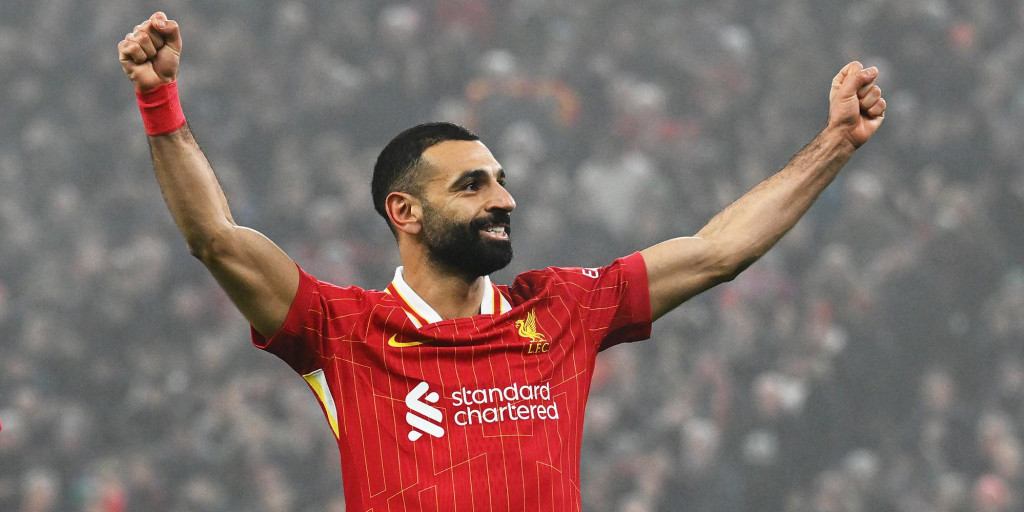
And now, attention turns to Mohamed Salah.
For years, Salah has been more than just a player at Liverpool. He has been a symbol of consistency, a source of goals, and a global icon tied closely to the club’s identity.
But even icons are not immune to change.
There have been subtle signs. Moments of isolation on the pitch. Tactical adjustments that reduce his centrality. A growing sense that the team is evolving in ways that may not fully revolve around him anymore.
No official statement has suggested an exit. No concrete deal has been announced. Yet the pattern seen with others is difficult to ignore.
At Liverpool today, no one appears untouchable.
If Salah were to leave, the reaction would be immediate and intense. It would dominate headlines, spark debates, and leave fans searching for answers.
But within the context of what has already happened, it would not be entirely surprising.
The club is transitioning. Not abruptly, but steadily. The focus has shifted toward long-term sustainability, tactical cohesion, and adaptability.
Salah, now entering a different stage of his career, represents both immense value and a complex decision. Retaining him ensures goals and experience. Letting him go could accelerate the next phase of the rebuild.
Football history is filled with moments where even the greatest figures depart as part of a broader evolution. Liverpool may be approaching such a moment.