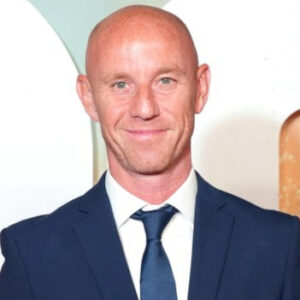
Joey Barton, the notorious former footballer whose name has long been linked with controversy, has broken his silence following allegations of a brutal assault that has left a man fighting to keep his sight. In a surprising video statement shared on social media, Barton, 43, admitted, “I made another mistake,” reflecting on the incident without offering a full apology. While his words were cautious, sources close to the investigation suggest the truth behind the attack could be far darker than what has been publicly disclosed.
The assault, which took place at the Highton and Prescott Golf Course, involved Barton and the club’s golf manager, Kevin Lynch, a 51-year-old father of two. Witnesses describe a shocking scene in which Barton allegedly punched, kicked, and trampled Lynch, leaving the victim with serious facial injuries and the grim possibility of permanent blindness in one eye. Residents living near the course recalled hearing groans of pain and seeing blood on the ground before emergency services arrived.

British media outlet Daily Mail reported on April 8 (Korean Standard Time) that Barton pleaded not guilty to charges of causing grievous bodily harm at Liverpool Crown Court. Bail applications have been rejected, and Barton remains in custody as the legal process moves forward. Prosecutors emphasized the severity of Lynch’s injuries, noting that the assault could leave him with permanent vision loss. The harrowing nature of the attack has shocked the local community and reignited discussions about Barton’s long history of violent behavior.
According to accounts of the incident, the altercation began during a social gathering at the golf club in March. Barton and Lynch, who previously worked as a soccer coach, were reportedly drinking when a verbal argument escalated into physical violence. Eyewitnesses claim that Barton left the building during the dispute, only to return and launch an indiscriminate attack on Lynch, striking him repeatedly and delivering kicks to the already fallen man. One onlooker recalled that Barton allegedly delivered a chilling warning to Lynch during the assault, saying, “You should have acted properly.” The words have fueled speculation that the attack was not merely impulsive but carried an element of personal vendetta or long-standing grudge.
Police quickly secured the scene, cordoning off the area for a thorough investigation. Forensic teams collected evidence, including blood samples, eyewitness statements, and video surveillance, to reconstruct the events of that day. Local authorities described the scene as “harrowing,” emphasizing that the severity of Lynch’s injuries required immediate medical attention and could have life-altering consequences.
Barton’s career on the pitch is storied yet controversial. A midfielder with 37 goals and 49 assists in 435 professional games, he played 269 matches in the English Premier League alone. He represented prestigious clubs such as Manchester City, Queens Park Rangers, Newcastle United, Rangers, and Marseille. Barton also had a brief stint with the English national team. Despite his undeniable talent and achievements, his reputation was often overshadowed by on- and off-field incidents, including multiple suspensions, violent conduct, and publicized disputes with teammates and coaches.
Sources close to the investigation suggest that Barton’s aggressive tendencies, long documented throughout his career, may have contributed to the escalation of the March altercation. Friends and former teammates note that while Barton is highly intelligent and tactically aware, he has historically struggled to control his temper in high-pressure or emotionally charged situations. In this latest incident, his alleged actions at the golf course appear to reflect a continuation of a pattern of violence that has repeatedly brought him into the public eye.
While Barton’s video statement acknowledged his error, it left many unanswered questions. Insiders claim there may have been deeper motives or contributing factors that remain unclear to the public. Some suggest that the dispute between Barton and Lynch could involve prior grievances or long-standing tensions that extended beyond the surface-level argument that erupted on that fateful day. Barton’s phrasing hinted at regret, yet he refrained from directly apologizing, further fueling speculation that there are aspects of the story yet to be revealed.
Medical reports from the hospital treating Lynch indicate that the victim faces an uncertain recovery. The most pressing concern is the damage to his eye, which could result in permanent vision impairment or complete loss of sight on one side. Doctors have described the prognosis as “precarious,” emphasizing the gravity of the injuries and the possibility that Lynch’s daily life may be irrevocably changed. Family members of Lynch have expressed shock and fear, emphasizing the life-altering impact of the attack on a man who had previously led a quiet, community-oriented life.
The legal ramifications for Barton are significant. Charged with causing serious bodily harm, he faces potentially lengthy imprisonment if convicted. Court proceedings are ongoing, and the case has drawn intense media scrutiny, not only because of Barton’s fame but also due to the violent nature of the incident. Legal analysts note that the severity of the injuries, combined with Barton’s prior history of misconduct, could weigh heavily against him during sentencing. Moreover, the public attention surrounding the case has added pressure to ensure a thorough and transparent judicial process.
Eyewitness testimony and forensic evidence are expected to play a critical role in the trial. Surveillance footage from the golf course, along with witness statements and medical documentation, will likely form the backbone of the prosecution’s case. Meanwhile, Barton’s defense team may seek to present mitigating factors, such as alcohol involvement, provocation, or mental health considerations, though the severity of the alleged assault may limit the effectiveness of such arguments.
The incident has also reignited discussions about the responsibilities of public figures and athletes after retirement. Barton, who transitioned from a celebrated professional footballer to a media personality and coach, remains a prominent figure in British sports culture. The latest assault underscores the challenges of navigating life after professional sports, particularly for athletes whose past behavior has included violent and confrontational incidents. Many commentators have noted that Barton’s fame and notoriety have often shielded him from full accountability, and the current legal proceedings may serve as a pivotal moment in holding him responsible for his actions.
In addition to the legal and medical consequences, the case has sparked intense public debate about violence in society, personal accountability, and the influence of celebrity culture on justice. Social media platforms are flooded with opinions, ranging from condemnation of Barton’s actions to reflections on the broader societal factors that may contribute to such violent outbursts. Fans, former colleagues, and journalists alike are closely monitoring developments, highlighting the broader cultural resonance of the incident.
As the investigation continues, all eyes remain on Barton and the court proceedings in Liverpool. The outcome of the trial will not only determine his personal fate but may also set a precedent for how similar cases involving high-profile figures are handled in the UK. For Kevin Lynch, the road to recovery is uncertain, and the potential for permanent vision loss casts a long shadow over what was otherwise a quiet life dedicated to family and community engagement.
Ultimately, the Joey Barton assault case serves as a stark reminder of the complex interplay between fame, personal conduct, and legal accountability. While the former footballer’s career achievements remain part of his legacy, the severity of the March incident and the life-altering consequences for the victim will likely define public perception of Barton for years to come.