The lights at Liverpool’s AXA Training Centre had long dimmed after another bruising European night, yet one figure refused to let the darkness settle. In the early hours following Liverpool’s 2-0 defeat to Paris Saint-Germain in the Champions League quarter-final first leg, Mohamed Salah reportedly isolated himself inside the facility around 2am. Shocked security staff watched as the Egyptian star pushed his body to the absolute limit in a solitary, intense workout that left everyone stunned.
This wasn’t just another training session for a player dealing with disappointment. Sources close to the club described a scene of raw determination mixed with visible frustration. After being left on the bench for the entire match at the Parc des Princes—where goals from Désiré Doué and Khvicha Kvaratskhelia handed PSG a commanding advantage—Salah returned to Merseyside carrying the weight of a team performance that fell well short of expectations. Instead of heading home to rest, he locked himself away and began an unrelenting solo session on the training pitches and in the gym areas.
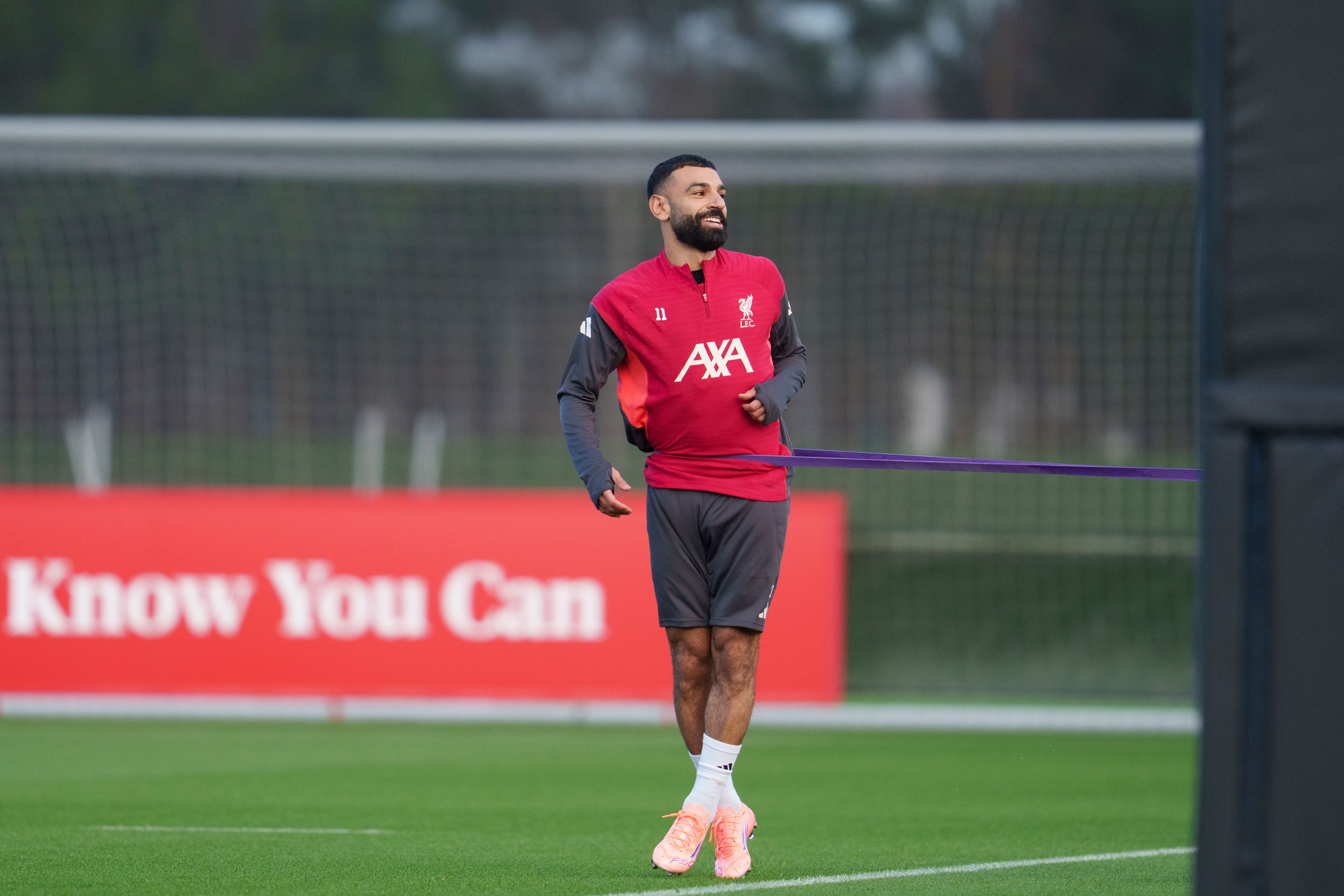
Eyewitness accounts from staff paint a picture of intense focus bordering on obsession. Salah reportedly ignored attempts by teammates to engage in the dressing room afterward, with some players said to have given him space amid the heavy atmosphere following the loss. He then took to the field alone, sprinting repeatedly under the floodlights until his legs could barely carry him. At one point, he collapsed from exhaustion but waved off medical assistance, muttering words to the effect of “I will fix this alone.” The security personnel on duty that night were left speechless by the sight of one of the club’s greatest modern talents driving himself to such extremes in the dead of night.
This episode comes at a pivotal—and complicated—moment in Salah’s long association with Liverpool. At 33, the forward has enjoyed legendary status on Merseyside, delivering countless moments of magic since arriving from Roma. Yet recent weeks have brought mounting scrutiny over his form and role under manager Arne Slot. The decision to bench him for the full 90 minutes against PSG, even as Liverpool struggled to create meaningful chances and registered no shots on target, sparked immediate debate. Slot later explained the call by noting the team was in “survival mode” toward the end, preferring to conserve Salah’s energy for upcoming fixtures rather than throw him into a defensive scramble.

For many observers, the benching felt like more than a tactical choice. It followed Liverpool’s humiliating 4-0 FA Cup exit to Manchester City just days earlier, a result that exposed defensive frailties and a lack of cutting edge in attack. Salah had featured in that game but was substituted late, having missed opportunities that might have changed the outcome. His omission from the starting lineup—and eventual non-appearance—against the French champions fueled speculation about shifting dynamics within the squad and questions over whether the veteran star still fits seamlessly into Slot’s evolving system.
Those close to the dressing room have hinted at underlying tensions. Reports suggest Salah felt somewhat isolated after the PSG match, with limited interaction from certain teammates in the immediate aftermath. Whether this stemmed from collective disappointment, individual frustrations, or simply the emotional toll of a tough European away night remains unclear. What is evident, however, is Salah’s response: channeling that pain into an extraordinary display of self-motivation. Sprinting until near collapse, refusing help, and whispering resolve to himself—this was a man refusing to let external circumstances define his contribution or his legacy.
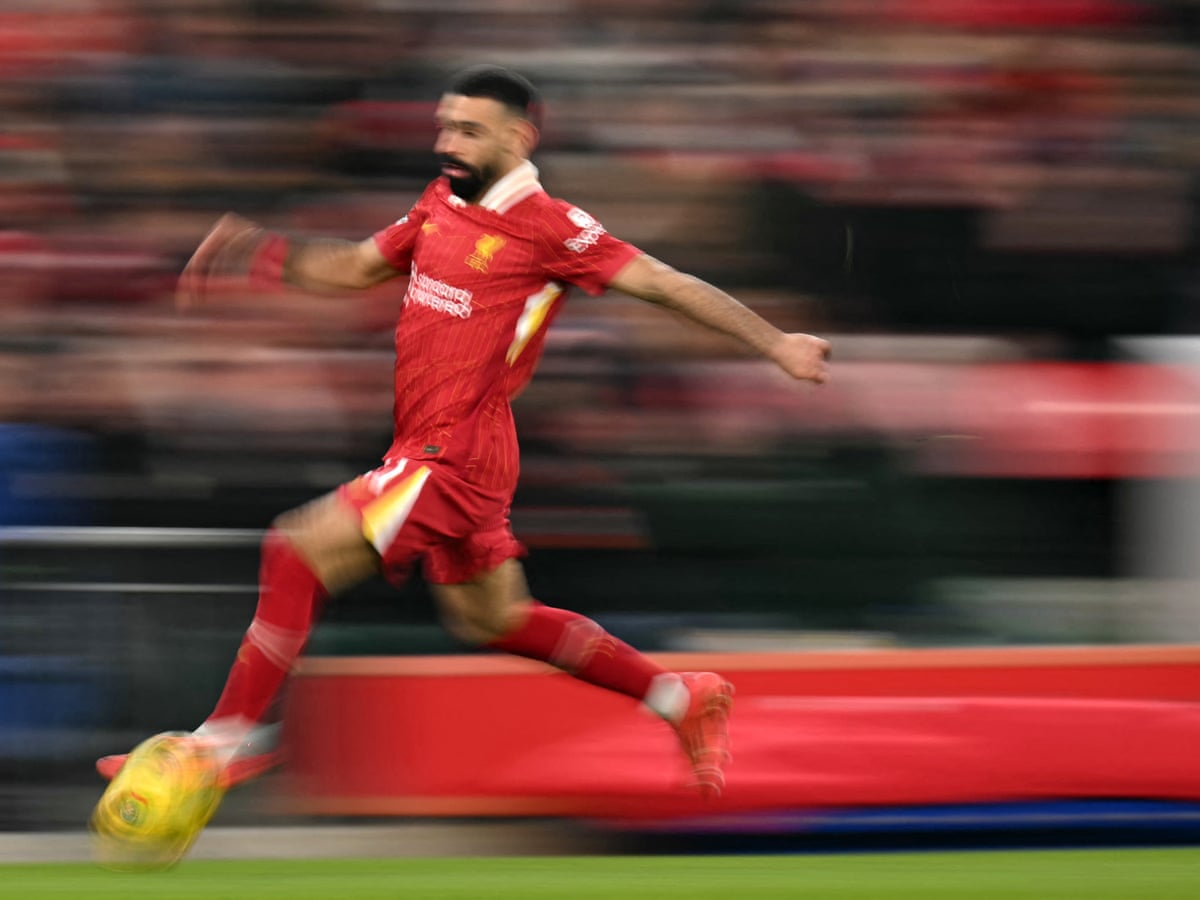
Salah’s legendary work ethic is nothing new to those who have followed his career. Teammates past and present have often spoken in awe of his dedication, with stories of him arriving at the gym before dawn and pushing limits that others find hard to match. One former colleague once joked about trying—and failing—to beat him to early-morning sessions, only to discover Salah had already completed a full workout. That same relentless drive has powered him to become Liverpool’s all-time leading scorer in several competitions and a key architect of major trophies, including the Premier League title and Champions League glory.
Yet this latest incident feels different. It arrives amid broader uncertainty surrounding Salah’s future at the club. With his contract situation long a topic of discussion and whispers of potential moves elsewhere as he enters the later stages of his career, moments like this solitary night session take on added symbolism. Is it a cry for redemption, a statement of unwavering commitment, or simply the raw reaction of a competitor who hates losing more than most? For fans, it underscores why Salah has always stood out—not just for his dazzling skill on the ball, but for an inner fire that refuses to be extinguished.
The broader context of Liverpool’s season adds layers to the drama. Under Slot, the Reds have shown flashes of promise but have also endured inconsistent results, including heavy defeats that have tested squad harmony. The trip to Paris highlighted the gulf against top European sides at their peak, with PSG dominating large portions of the game despite not converting every chance. Liverpool’s inability to trouble the home goalkeeper left many supporters frustrated, and the lack of impact from the substitutes only intensified the spotlight on big-name players like Salah who remained unused.

Security staff at the AXA Training Centre, accustomed to seeing players put in extra hours, described Salah’s session as particularly chilling in its intensity. The facility, a state-of-the-art hub that has become the heartbeat of the club’s preparations, stood mostly silent except for the sound of his footsteps pounding the turf and the occasional labored breath. No music, no coaches barking instructions—just one man against his own standards. By the time he finally stopped, the early morning hours were well underway, and those watching from afar could only marvel at the mental toughness on display.
This story also invites reflection on the immense pressure professional athletes face. In an era of constant scrutiny from media, social platforms, and expectant fans, setbacks like a benching or a heavy defeat can feel magnified. Salah has never been one to shy away from the spotlight, often letting his performances do the talking. Yet nights like this reveal the human side: the doubt, the anger, and the fierce determination to rise above it. His whispered vow to “fix this alone” echoes the mindset of champions who turn personal adversity into fuel for greater achievements.
As Liverpool prepares for the second leg at Anfield, where the famous atmosphere could play a decisive role, all eyes will be on whether Salah features prominently and how the team responds collectively. The tie is far from over, but the margin for error has narrowed significantly after the first-leg result. For Salah personally, the coming days offer a chance to channel that midnight fire into on-pitch impact, proving once more why he remains such a talismanic figure for the club and its supporters.
What stands out most from this episode is the unyielding spirit of a player who has given so much to Liverpool. In an age where football can sometimes feel transactional, moments of pure, unfiltered commitment—like locking oneself away to train until exhaustion—serve as powerful reminders of what drives the game’s biggest stars. Whether this solo session marks the beginning of a strong resurgence or simply one man’s private battle with disappointment, it has undoubtedly left a lasting impression on those who witnessed it.
The coming weeks will reveal more about how this intense night fits into the larger narrative of Salah’s time at Liverpool. For now, it serves as a compelling snapshot of resilience in the face of adversity. Fans around the world, many of whom have celebrated his countless heroics, will be watching closely to see if that same fire can help ignite a memorable comeback in Europe—and perhaps write another unforgettable chapter in his Anfield story.

In the end, stories like this remind us why we love the beautiful game. Beyond tactics and results lies the human drama: the quiet determination in empty training grounds, the emotional weight carried after tough losses, and the unbreakable will to keep pushing forward. Mohamed Salah’s late-night vigil may have stunned security guards, but it will likely inspire countless supporters who recognize the heart of a true fighter when they see it. As the second leg approaches, one thing is certain—Liverpool and their star forward still have plenty left to prove.