The night in Paris was supposed to mark a statement of intent for Liverpool in the Champions League quarter-finals. Instead, it turned into a nightmare that has since spilled over into open conflict behind closed doors at Anfield. A 2-0 defeat to Paris Saint-Germain, marked by a hesitant tactical setup and a glaring lack of attacking threat, has ignited deep frustrations among senior players, with reports of heated clashes, walkouts, and fractured relationships emerging from the dressing room.
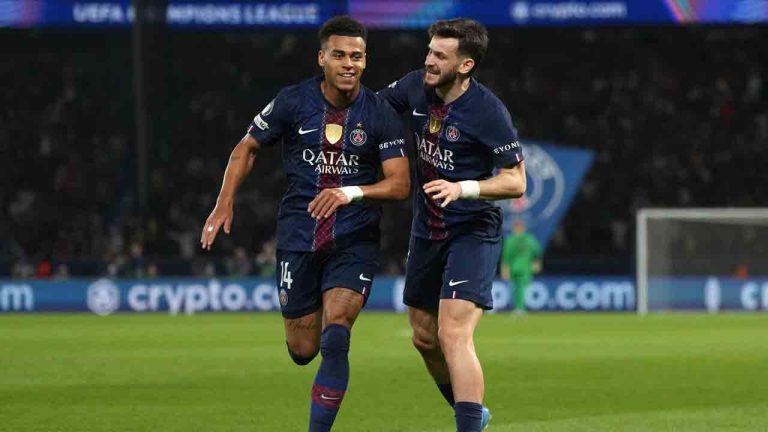
Liverpool arrived at the Parc des Princes determined to contain PSG’s dangerous attacking talent, including stars like Khvicha Kvaratskhelia and Desire Doue. Manager Arne Slot opted for a bold but risky shift to a back-five formation, aiming to frustrate the hosts and nick a result on the counter. Yet the plan unraveled almost immediately. Doue opened the scoring early, exploiting spaces that the defensive setup failed to close down effectively. Kvaratskhelia added a second in the second half, leaving the Reds with no shots on target and looking second-best across the pitch.

The performance itself raised eyebrows, but what happened afterward has sent shockwaves through the club. Insiders describe scenes of raw anger in the away dressing room, where long-serving players allegedly confronted Slot over what they saw as tactical disarray that left the team dangerously exposed. The Dutch coach’s decision to sit deep and absorb pressure, rather than press high in Liverpool’s traditional style, reportedly left key figures fuming, feeling it betrayed the squad’s strengths and invited PSG to dominate.
One prominent star is said to have stormed out before the final whistle, unable to contain his disappointment. As the team trudged off the field, tensions boiled over further. Some players reportedly refused to shake hands with coaching staff or each other, highlighting a breakdown in unity that has rarely been seen at this level. Coaches had to step in physically to separate clashing personalities, with the atmosphere described by those present as the most poisonous in over a decade at the club.
This isn’t just post-match emotion. The humiliation in Paris follows a string of concerning results, including a heavy FA Cup exit to Manchester City where similar questions about commitment and cohesion surfaced. Captain Virgil van Dijk has publicly acknowledged a dip in “togetherness,” admitting the squad is navigating a transitional phase after significant summer changes. His comments, though measured, underscore a deeper unease that many insiders say has been simmering for weeks.

Senior figures in the squad, who have delivered trophies and memorable European nights under previous regimes, are said to feel the current approach lacks the intensity and clarity that defined Liverpool’s best moments. They point to missed opportunities in pressing, poor transitions, and a failure to impose the high-energy style that once made opponents fear Anfield. The back-five experiment, while perhaps intended as a pragmatic shield, instead highlighted vulnerabilities and drew sharp criticism from pundits and former players alike, with some labeling it a “sackable offence” for its passive nature.
Behind the scenes, the fallout has been even more dramatic. Reports suggest multiple confrontations where experienced players voiced their concerns directly to Slot, questioning selections, instructions, and the overall game plan. One account details a star player marching off early, bypassing the usual post-match routines, while others lingered in awkward silence or exchanged pointed words. The involvement of coaching staff to physically intervene paints a picture of a squad at breaking point, where egos, fatigue, and tactical disagreements have collided.
For a club built on legendary dressing-room spirit and never-say-die resilience, these stories are alarming. Liverpool fans have grown accustomed to sides that fight as one, even in defeat. The current rift risks eroding that identity at a critical juncture. With the second leg looming at Anfield, where the famous atmosphere can transform matches, the question on everyone’s lips is whether the team can park these divisions and mount a comeback. PSG will arrive buoyed by their first-leg advantage and confident in their attacking flair, making the task even steeper.
Slot, who enjoyed a strong debut season leading the club to the Premier League title, now faces the toughest test of his tenure. In his post-match press conference, he acknowledged the difficulties in executing the press and creating chances but remained optimistic about the return fixture, emphasizing how Anfield’s energy could shift the momentum. Yet privately, the manager must address the growing discontent head-on. Rebuilding trust with senior players who feel the tactics left them “scared” or overly defensive will be paramount.
The tactical debate extends beyond one game. Liverpool’s high-pressing identity under previous management delivered thrilling football and silverware. Slot’s more measured, possession-oriented tweaks have brought success overall, but nights like Paris expose when the balance tips too far toward caution. Critics argue the side looked like a team from a lower level at times, lacking cohesion and bite. Players who thrived on chaos and intensity now appear uncertain, contributing to the sense of a squad sleepwalking through key moments.
Adding fuel to the fire, the squad’s recent form has included patchy Premier League displays and that painful City defeat, where some observers noted a lack of fight after going behind. Van Dijk’s admission that the team “gave up” in parts of that match echoes the frustrations now bubbling over. Transition periods are never easy, especially after losing influential figures and integrating new signings, but the speed at which cracks have appeared has surprised many.
Insiders close to the club paint a picture of a fractured environment where personalities are clashing more frequently. The refusal to engage in handshakes and the need for intervention suggest not just tactical disagreement but personal tensions too. In elite football, where multimillion-pound careers and legacies are on the line, such breakdowns can escalate quickly if not managed. The description of it as the “most toxic” in years at Anfield carries weight, given the club’s history of weathering storms from title races to European finals.
Yet, hope remains for the second leg. Anfield has a habit of producing miracles, with roaring crowds lifting players to extraordinary heights. The famous “This Is Anfield” banner and the wall of sound from the Kop have turned many impossible situations around. If the squad can channel their anger into determination rather than division, they might just find the response needed to overturn the deficit. Slot will likely tweak his approach, perhaps reverting to more familiar patterns that play to the team’s strengths in pressing and quick transitions.

The coming days will be telling. Training sessions, team meetings, and private conversations must focus on mending fences and restoring belief. Senior players carry the responsibility to lead by example, setting aside personal grievances for the collective good. For Slot, proving he can unite the group under pressure will define his future at the helm.
Liverpool’s season hangs in the balance. A European exit at this stage would sting deeply, especially after domestic success last year. But more concerning is the long-term impact on squad harmony. If the civil war continues unchecked, the campaign could unravel entirely, leaving fans questioning the direction of the project.
As the return fixture approaches, all eyes will be on Anfield. Can the Reds rediscover their unity and fighting spirit, or will the wounds from Paris prove too deep? The answer could shape not just this tie, but the club’s trajectory for seasons to come. One thing is certain: the passion that defines Liverpool football means this story is far from over, and the drama unfolding behind the scenes may yet fuel an unforgettable response on the pitch.