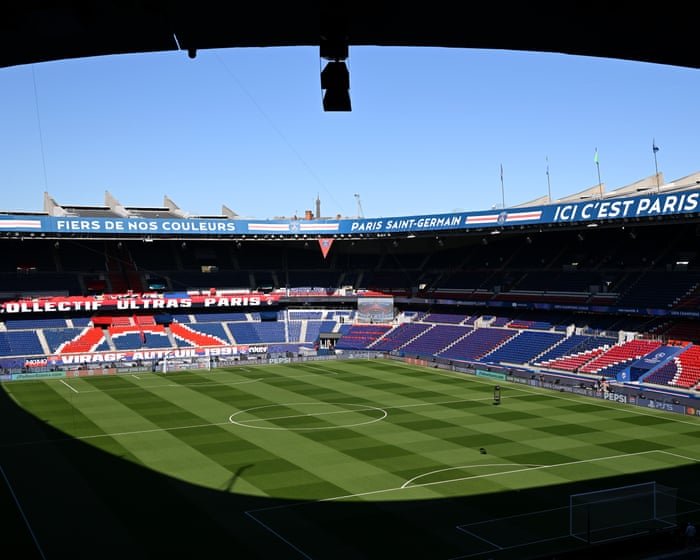
The lights of the Parc des Princes blazed down on a night that exposed raw vulnerabilities in one of Europe’s most storied clubs. Paris Saint-Germain delivered a masterclass in midfield control and fluid attacking play, leaving Liverpool struggling for any meaningful possession and prompting frantic reactions from the visiting bench. What unfolded in the French capital wasn’t just a 2-0 defeat in the Champions League quarter-final first leg—it felt like a stark reminder of shifting powers in European football, with questions now swirling about tactics, team spirit, and the long road back to Anfield.
From the opening whistle, PSG dictated the tempo with remarkable ease. Their midfield trio operated like a well-oiled machine, winning duels, recycling the ball swiftly, and creating overloads that left Liverpool’s engine room gasping for air. Reports highlighted stretches where the visitors barely registered a single touch in key areas, with one prolonged period stretching to nearly half an hour without meaningful involvement. The home side’s pressing was intelligent and coordinated, forcing errors and turning defense into instant attack. Liverpool, meanwhile, appeared hesitant, their usual high-intensity style blunted by a tactical setup that prioritized solidity over ambition.
The breakthrough came early, as PSG’s dynamic attackers carved open the rearguard. A deflected effort from Desire Doue looped awkwardly past the goalkeeper, handing the hosts a deserved lead. The French champions didn’t relent. Their movement off the ball was electric, with wingers and midfielders interchanging positions to stretch Liverpool’s defensive lines. Khvicha Kvaratskhelia, the Georgian star, added a second goal with clinical finishing that showcased his flair and composure under pressure. By the time the final whistle blew, PSG had racked up dominant possession stats—around 74%—and fired off 18 shots compared to Liverpool’s meager three, none of which seriously tested the home keeper.

Arne Slot’s decision to deploy a back-five formation, complete with wing-backs and an extra layer of central defenders, aimed to neutralize PSG’s attacking threats. Yet the approach backfired spectacularly. The midfield looked disconnected, with players like Alexis Mac Allister and Ryan Gravenberch often isolated or pulled out of position. Mohamed Salah started on the bench, a bold call that left many observers puzzled given his proven ability to unlock tight games. Slot could be seen pacing the touchline with visible frustration, gesturing wildly and barking instructions as gaps opened up repeatedly. His animated displays captured the mounting pressure, turning what should have been a composed European night into scenes of visible distress.

Post-match reflections only amplified the sense of unease. Slot admitted his side had been “ripped apart” at times but insisted they were fortunate to escape with just a two-goal deficit, pointing to missed opportunities by the hosts that could have made the scoreline far worse. He emphasized the need for Anfield’s famous atmosphere to spark a comeback in the second leg, noting how the home crowd has historically fueled miraculous turnarounds. However, the Dutch coach also faced scrutiny over the tactical tweak, with critics arguing it signaled a lack of confidence in Liverpool’s established strengths. Luis Enrique, PSG’s manager, appeared surprised by the visitors’ setup and praised his team’s control, hinting that the gulf in execution was evident throughout.

Behind the scenes, tensions reportedly simmered. Whispers of a fractured dressing room have grown louder in recent weeks, fueled by earlier poor performances and public comments from key figures. Captain Virgil van Dijk expressed clear dissatisfaction, acknowledging the team’s shortcomings while clinging to the slim hope offered by the return fixture. Some insiders suggest loyalists to the previous regime, still attached to the high-pressing identity built under Jurgen Klopp, viewed the Paris display as a humiliating surrender—one that could linger in the memory and damage morale heading into the business end of the season. Slot’s touchline outburst, captured by cameras, has only added fuel to speculation about internal rifts, with fans and pundits debating whether the manager has fully won over the squad.

Liverpool entered this tie amid a challenging run. Knocked out of the FA Cup in disappointing fashion and sitting outside the Premier League title picture, the Champions League represented their best shot at silverware. Yet the performance in Paris raised fresh doubts about the squad’s depth and adaptability. Players who thrived in Klopp’s chaotic, front-foot style seemed uncomfortable in a more reserved setup. The lack of touches in midfield highlighted deeper issues with ball progression and pressing triggers, areas where PSG exploited space ruthlessly. Kvaratskhelia’s influence, combining with Doue and others, exposed vulnerabilities that even a reinforced backline couldn’t fully patch.

For PSG, the victory reinforced their status as reigning European champions and serious contenders once more. Under Luis Enrique, the side blends youthful energy with experienced know-how, creating a fluid system that punishes any hesitation. The Parc des Princes crowd fed off the dominance, creating an intimidating backdrop that made Liverpool’s task even tougher. Goals aside, the hosts’ ability to maintain intensity without overcommitting defensively stood out, leaving the visitors with few avenues to counter.
As the dust settles, all eyes turn to Anfield for the return leg. Slot has vowed to adjust and rally his troops, stressing that the tie remains alive thanks to the narrow margin. Liverpool’s history of dramatic comebacks—think of epic nights against Barcelona or others—provides a lifeline, but this PSG outfit feels different: confident, clinical, and hungry to finish the job. The Reds will need to rediscover their intensity, improve midfield connections, and harness the crowd’s energy from the first minute. Questions about Salah’s role, the effectiveness of any formation shifts, and overall squad cohesion will dominate discussions in the buildup.
Beyond the immediate result, this encounter underscores broader trends in modern football. PSG’s project, backed by significant investment yet often criticized in the past, now delivers consistent excellence on the pitch. Liverpool, transitioning from the Klopp era, faces the challenge of evolving without losing its soul. Supporters on both sides sense the stakes: for the hosts, a path to further glory; for the visitors, a chance to prove resilience amid growing uncertainty.
The drama in Paris has left lasting impressions. Slot’s visible frustration on the sidelines, the stark contrast in midfield battles, and the emerging narratives around team harmony have turned a single match into a broader talking point. Whether Liverpool can mount a response that silences the doubters remains to be seen, but one thing is clear—this quarter-final has the potential to define seasons and reshape perceptions. Fans will be glued to their screens for the second leg, wondering if Anfield magic can overcome the clear class shown in the French capital. The story is far from over, and the next chapter promises even more intensity as two proud clubs clash once again.