In a revelation that has left the sports world reeling and social media in absolute meltdown, Manchester United and England legend Wayne Rooney has dropped a bombshell by placing NFL icon Tom Brady in his personal all-time top six greatest sports stars — despite the quarterback playing a central role in the brutal decision to sack him as Birmingham City manager just 83 days into the job. The move, which devastated Rooney at the time and triggered furious calls for his head from angry fans, has now sparked intense debates about forgiveness, loyalty, and what true greatness really means in professional sport.
Rooney, speaking on his new podcast The Wayne Rooney Show, opened up about the humiliating dismissal that ended his dream of proving himself as a top-flight manager. He described how the news came via a brutal phone call on New Year’s Day 2024, following a crushing 3-0 defeat at Leeds United. Birmingham City, under their American ownership group Knighthead Capital led by Tom Wagner with Tom Brady as a high-profile minority owner and advisor, had seen enough. Rooney had taken over in October 2023 when the club sat sixth in the Championship, riding high after back-to-back wins under previous boss John Eustace. But under Rooney, results collapsed dramatically: just two wins in 15 games, nine defeats, and a slide down to 20th place, dangerously close to the relegation zone.

The sacking was swift and ruthless. Staff were summoned to a meeting at the training ground the day after the Leeds loss, where it was announced that Rooney and his assistant Carl Robinson were out. In his immediate statement, Rooney thanked Wagner, Brady, and chief executive Garry Cook for the opportunity, but privately he was shattered. The former striker, who had signed a three-and-a-half-year deal with big expectations of pushing for promotion to the Premier League, later admitted it would take him time to get over the setback. Fans at Leeds had already turned, chanting for him to “get out” and even singing unsavoury songs that left him visibly upset. The whole episode felt like a public humiliation for one of English football’s greatest-ever talents.
Fast forward to 2026, and Rooney has chosen to rise above the pain in the most surprising way possible. In a wide-ranging discussion on his podcast about the athletes who have defined greatness across different sports, he named his top six — and shockingly slotted Tom Brady right in there alongside icons like Serena Williams, Michael Jordan, Mike Tyson, Tiger Woods, and snooker legend Ronnie O’Sullivan (whom he hailed as the greatest of all time). Rooney praised Brady’s relentless winning mentality, his ability to dominate for two decades, and how he redefined what a champion looks like in American football, coming from a sixth-round draft pick to win seven Super Bowls.
“Listen, I respect Tom Brady massively — he’s one of the greatest, if not the greatest athlete of all time,” Rooney said, even while acknowledging the awkward history between them. He made it clear that personal grudges have no place when judging pure sporting excellence. The revelation has sent shockwaves through football and beyond, with fans divided like never before. Some are hailing Rooney as the ultimate class act — a man who can separate business from admiration for raw talent and mental toughness. Others are calling him crazy, questioning how he could elevate the man who helped pull the plug on his managerial ambitions so early and so publicly.

The drama between the two sports giants goes deeper than many realized at the time. Brady, the GOAT of the NFL with a career built on icy focus and comeback kingship, was heavily involved behind the scenes at Birmingham. He visited the training complex in his role as minority owner and advisor, and later comments from him in a documentary raised eyebrows. Brady openly questioned aspects of the coaching setup, including work ethic concerns that some interpreted as pointed criticism toward Rooney and the players. Rooney hit back in 2025, calling those remarks “very unfair” and expressing disappointment, yet he has consistently maintained massive respect for Brady’s achievements on the field.
That phone call dismissing him must have stung like few things in Rooney’s storied career. After all, this is the boy wonder who burst onto the scene at Everton, became Manchester United’s record goalscorer, captained England, and lit up the Premier League with his explosive power, vision, and never-say-die attitude. To have his first real shot at senior management cut short so dramatically — especially with American owners bringing in NFL glamour — felt like a dream shattered before it could truly begin. Birmingham eventually stabilized and climbed back under new manager Chris Davies, but the swift axe on Rooney left scars. Yet here he is, years later, choosing grace over grievance by including Brady in his pantheon of legends.
The online reaction has been ferocious. Football Twitter (now X) exploded with memes, polls, and heated threads: “Rooney is the definition of class — respecting greatness even when it cost him,” versus “Nah, this is mad. Brady helped end his dream and now he’s top 6? Loyalty where?” Sports pundits are weighing in, with some arguing that true legends like Rooney show emotional intelligence by focusing on performance metrics rather than personal beef. Others point out the irony: Brady himself is famous for his competitive fire and ability to move on from setbacks, much like Rooney is demonstrating now.
This isn’t just tabloid fodder — it touches on bigger questions in modern sport. In an era where rivalries are amplified by social media and ownership crosses codes (think celebrity investors in football clubs), can athletes truly compartmentalize betrayal and admiration? Rooney’s list highlights how greatness transcends one sport or one incident. Brady’s seven rings, his longevity from the 2000s into the 2020s, his leadership in high-pressure moments — these are undeniable. Rooney, who battled his own demons with form, injuries, and off-field scrutiny throughout his playing days, clearly sees parallels in that unbreakable mindset.
Of course, Rooney’s own legacy as a player remains towering. From that wonder goal against Arsenal as a teenager to his clutch performances in Champions League nights, he embodied the street fighter spirit of English football. Including Brady doesn’t diminish that; if anything, it elevates the conversation about what we value in icons. Is it pure stats? Cultural impact? Ability to win against the odds? Rooney seems to say it’s all of the above, and personal history doesn’t erase objective brilliance.
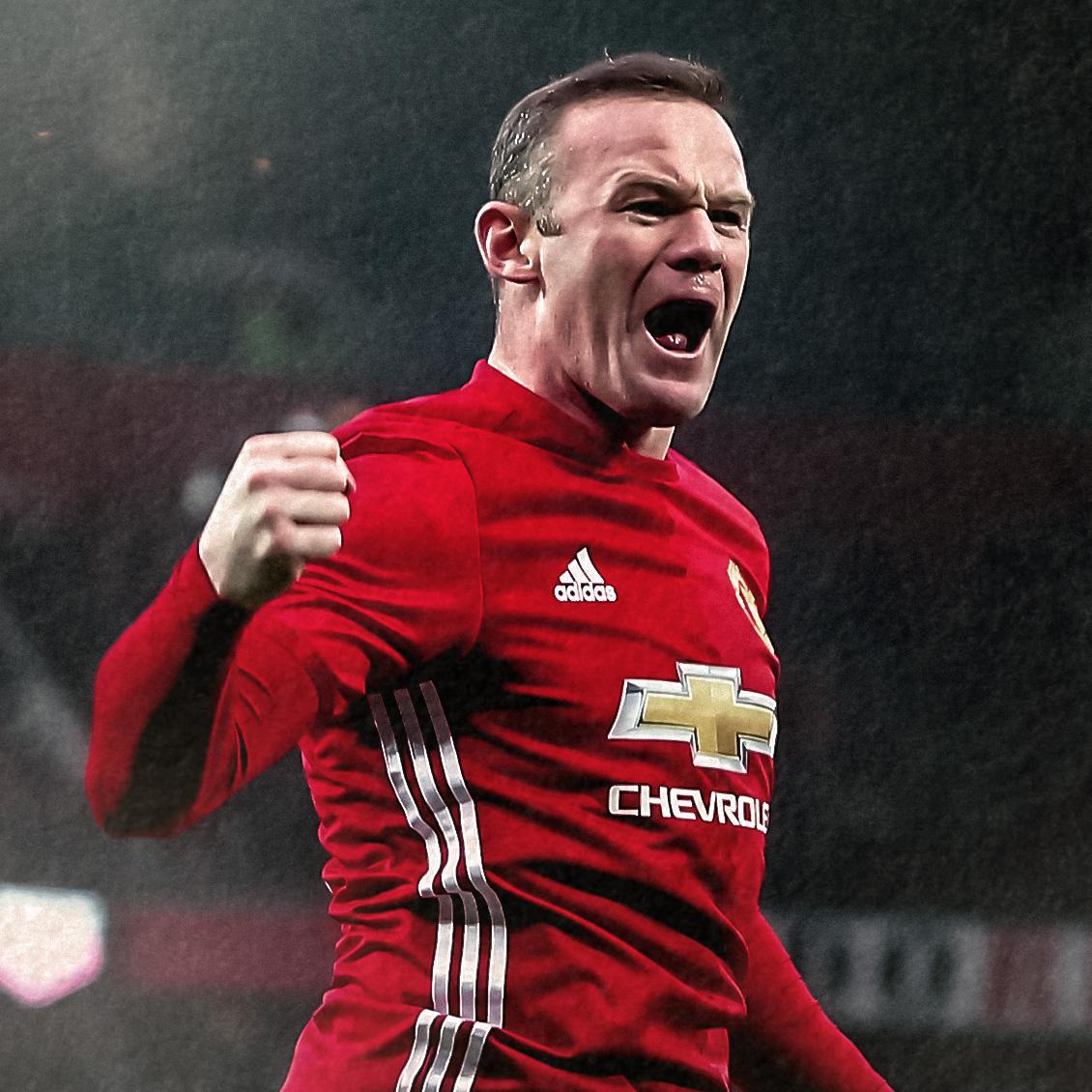
The divide among fans reflects deeper tribalism in sport. Manchester United supporters largely back Rooney’s maturity, seeing it as proof he’s evolved beyond the hot-headed youngster of old. Birmingham fans, still scarred by that relegation-threatened season, are more split — some appreciate the olive branch, others feel it glosses over the chaos. NFL enthusiasts, meanwhile, are loving the crossover validation from a football legend.
As the dust settles on this mind-blowing disclosure, one thing is clear: Wayne Rooney has once again shown why he remains one of the most compelling figures in British sport. He could have used the podcast to settle scores or air grievances about that devastating phone call and the short leash he was given. Instead, he chose to celebrate excellence — even when it came at his own expense. In a world quick to cancel and hold grudges, his willingness to hail Brady as one of the all-time greats feels refreshingly mature.
Whether you think it’s classy forgiveness or borderline crazy, Rooney’s top six has ignited debates that will rage for weeks. It forces us all to ask: What matters more in the end — the wins on the pitch, or how we handle the losses off it? For now, the sports world is watching, divided, and utterly hooked on this unlikely tale of betrayal, respect, and sporting immortality.