In the high-stakes world of Premier League football, where every injury update can swing the momentum of an entire campaign, Manchester United head coach Michael Carrick has just dropped a bombshell that blends cautious optimism with lingering uncertainty. As the Red Devils prepare for their blockbuster clash against Leeds United, Carrick has confirmed a major defensive reinforcement with the imminent return of a key player sidelined for two months – yet his frank assessment of Matthijs de Ligt’s prolonged absence has only deepened the mystery surrounding the club’s backline and raised uncomfortable questions about the medical department’s handling of setbacks.
The news of Lisandro Martinez’s comeback lands like a lifeline for a United side that has battled inconsistency at the back throughout the season. The Argentine warrior, affectionately known as “El Carnicero” for his no-nonsense tackling style, has been absent since early February after suffering a calf injury during the buildup to a match against Everton. Over the past two months, he has missed a string of crucial fixtures, leaving Harry Maguire and the promising young Leny Yoro to shoulder much of the defensive load. Carrick, speaking ahead of the Monday night encounter at Old Trafford, was clear: Martinez has returned to full training and is in contention to feature, though the manager stressed he would not be rushed into the starting XI just to chase a headline. “The break has actually worked in our favour in some ways,” Carrick noted, highlighting how the enforced rest has allowed the squad to regroup while keeping Martinez fresh for the run-in. This boost couldn’t come at a better time. With United pushing for a strong finish in the Premier League and eyeing European progress, Martinez’s return promises to restore the steel and leadership that made him a fan favourite since his arrival from Ajax in 2022. His partnership with Maguire in particular has historically been rock-solid, offering the kind of physicality and aerial dominance that has frustrated opponents time and again.
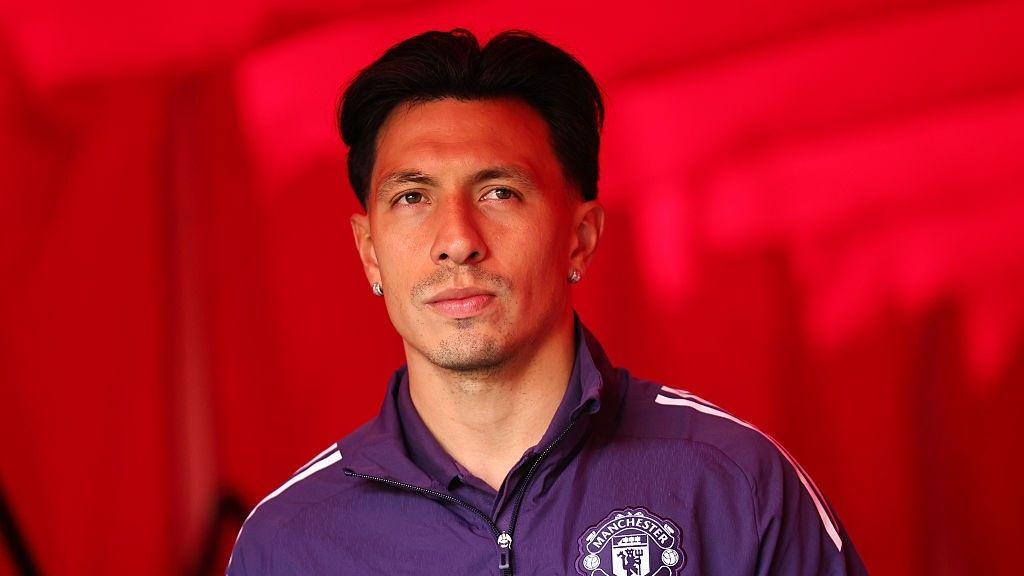
Fans will recall Martinez’s fiery displays that helped anchor United’s defence during brighter spells under previous regimes, and his absence has coincided with a noticeable dip in clean sheets and an increase in concessions from set-pieces. Bringing him back now injects not just quality but morale – a reminder that the squad’s depth, often tested to breaking point, still holds real potential. Carrick’s measured approach to the reinstatement speaks volumes about his managerial philosophy: patient, player-focused, and unwilling to risk long-term fitness for short-term gains. “We’ll make the right decision for the team and for him,” he added, underscoring the delicate balance every top-flight boss must strike in an injury-plagued season. This development alone has sparked a wave of excitement among supporters, with social media buzzing over potential line-ups that could see the Argentine slot straight back into the heart of the back four alongside Maguire or even alongside Yoro for a more dynamic, ball-playing defensive unit.
Yet, even as one door opens, another remains firmly shut – and the situation with Matthijs de Ligt is far more troubling. The Dutch international has been sidelined since late November with what was initially described as a minor back issue, a problem that has now stretched into its fifth month and shows no immediate signs of resolution. De Ligt, signed in the summer of 2024 as a marquee addition to bolster the defence, was expected to form a formidable partnership with Martinez. Instead, his prolonged recovery has left a gaping hole in United’s plans. Carrick revealed that the 26-year-old did not even join the squad’s recent four-day training camp in Ireland, opting instead to remain at Carrington for intensive rehab. “He’s doing treatment and rehab,” the boss explained. “The reason he didn’t come is he’s not quite on the grass yet. Patrick Dorgu came with us because his stage is a little further on, but Matta isn’t quite at that stage.”

This latest update lands with a thud, especially given earlier whispers that de Ligt was edging closer to a return. Just weeks ago, there were optimistic reports suggesting he could feature before the season’s end, with the player himself spotted back at the training ground and insiders hinting at steady progress. Now, Carrick’s comments paint a picture of incremental, painstaking steps forward – gym work, targeted exercises, but no outdoor sessions on the grass. It’s a stark contrast that has left observers scratching their heads. When pressed further, the head coach acknowledged the unpredictability of back injuries: “Sometimes it happens quicker than others and sometimes there’s things that don’t quite go to plan.” He stopped short of confirming whether de Ligt will play again this campaign, echoing previous statements where he admitted there was “no guarantee” of a timely return. The Dutchman’s absence has been felt acutely, particularly in matches where United’s centre-backs were stretched thin, exposing vulnerabilities that a fully fit de Ligt – with his composure on the ball and commanding presence – could have masked.
What makes the saga even more intriguing is the undercurrent of unreported setbacks. Insiders close to the club have privately suggested that de Ligt experienced minor complications during his recovery that were never fully disclosed to the public, fuelling speculation about transparency within the medical setup. Was the initial prognosis overly optimistic? Did the club downplay the severity to maintain squad morale? These questions are not new for Manchester United, a club with a chequered history when it comes to long-term injuries and recovery timelines. From the days of key players like Luke Shaw and Raphael Varane battling recurring issues, critics have pointed to potential shortcomings in the medical and conditioning departments. Under Carrick’s watch, the squad has avoided a full-blown crisis, but the cluster of defensive absences – Martinez’s calf, de Ligt’s back, and others like Patrick Dorgu’s ongoing rehabilitation – has stretched resources. Is this simply the cruel hand of footballing fate, where backs and calves prove notoriously fickle? Or does it hint at deeper structural issues: outdated rehab protocols, insufficient specialist input, or even communication breakdowns between medical staff, players, and the coaching team?

Delving deeper into the broader context, United’s campaign has been defined by resilience amid adversity. Carrick, thrust into the hot seat earlier in the season following a turbulent period, has steadied the ship with a pragmatic style that prioritises organisation and counter-attacking threat. Yet the defensive frailties have cost points in winnable games, turning draws into defeats and amplifying pressure ahead of high-profile fixtures like the Leeds derby. Martinez’s return offers a timely injection of experience and aggression, potentially allowing younger talents like Yoro to flourish in a more balanced setup. Meanwhile, de Ligt’s situation forces uncomfortable conversations about squad depth and long-term planning. The Netherlands international remains a significant investment, both financially and tactically, and his uncertain future this term could influence summer transfer strategy – perhaps prompting reinforcements in central defence or a renewed focus on sports science.
Supporters, ever passionate and vocal, have taken to forums and social platforms to voice their frustration and hope in equal measure. Some praise Carrick’s honesty in not sugar-coating the de Ligt update, seeing it as a sign of realistic leadership. Others worry that the mixed signals erode trust, especially when contrasted with the club’s public statements on player fitness earlier in the year. The emotional toll on the players themselves cannot be overlooked; de Ligt, a leader by nature, has reportedly been working tirelessly behind the scenes, determined to defy the odds. His potential absence for the remainder of the season would not only weaken the backline but also deprive the squad of his vocal presence and tactical intelligence – qualities that could prove decisive in the closing weeks.
As the Premier League season hurtles toward its climax, these injury updates underscore the razor-thin margins that separate success from disappointment. Carrick’s defensive boost with Martinez provides a glimmer of light, a chance to rebuild solidity and push for the points needed to secure a respectable finish. Yet the cloud hanging over de Ligt serves as a stark reminder of football’s unpredictability and the high price of any misstep in player welfare. Is this sequence of events mere bad luck in a sport where injuries are inevitable, or a symptom of systemic challenges at one of England’s biggest clubs? The coming weeks will tell, as United navigate a fixture list that demands peak fitness and unity. For now, fans are left on tenterhooks, eagerly awaiting not just results on the pitch but clarity from the treatment room. One thing is certain: in the cauldron of Old Trafford, every recovery – or lack thereof – carries the weight of an entire campaign. Will the Red Devils emerge stronger, or will these lingering doubts continue to haunt their ambitions? Only time, and perhaps a few more press conferences, will reveal the full story.