Just ten days into his reign at Tottenham Hotspur, Roberto De Zerbi has already turned the club’s training ground into a whirlwind of sweat, tactical revolution, and cautious optimism. The Italian coach, parachuted in to rescue a side teetering on the edge of relegation after a dismal run and multiple managerial changes, wasted no time ripping up the old playbook. Brutally long training sessions focused on possession, quick decision-making, and high-intensity pressing have left some players physically exhausted, yet many others are buzzing with a renewed sense of purpose. Privately, De Zerbi has singled out six stars he is “purring” over, seeing in them the raw material to revive Spurs’ fortunes. But with the squad low on confidence and the season hanging by a thread, the big question looms: is this radical early push the spark Spurs desperately need, or could it ignite an unexpected dressing room rebellion before the campaign even finds its rhythm?
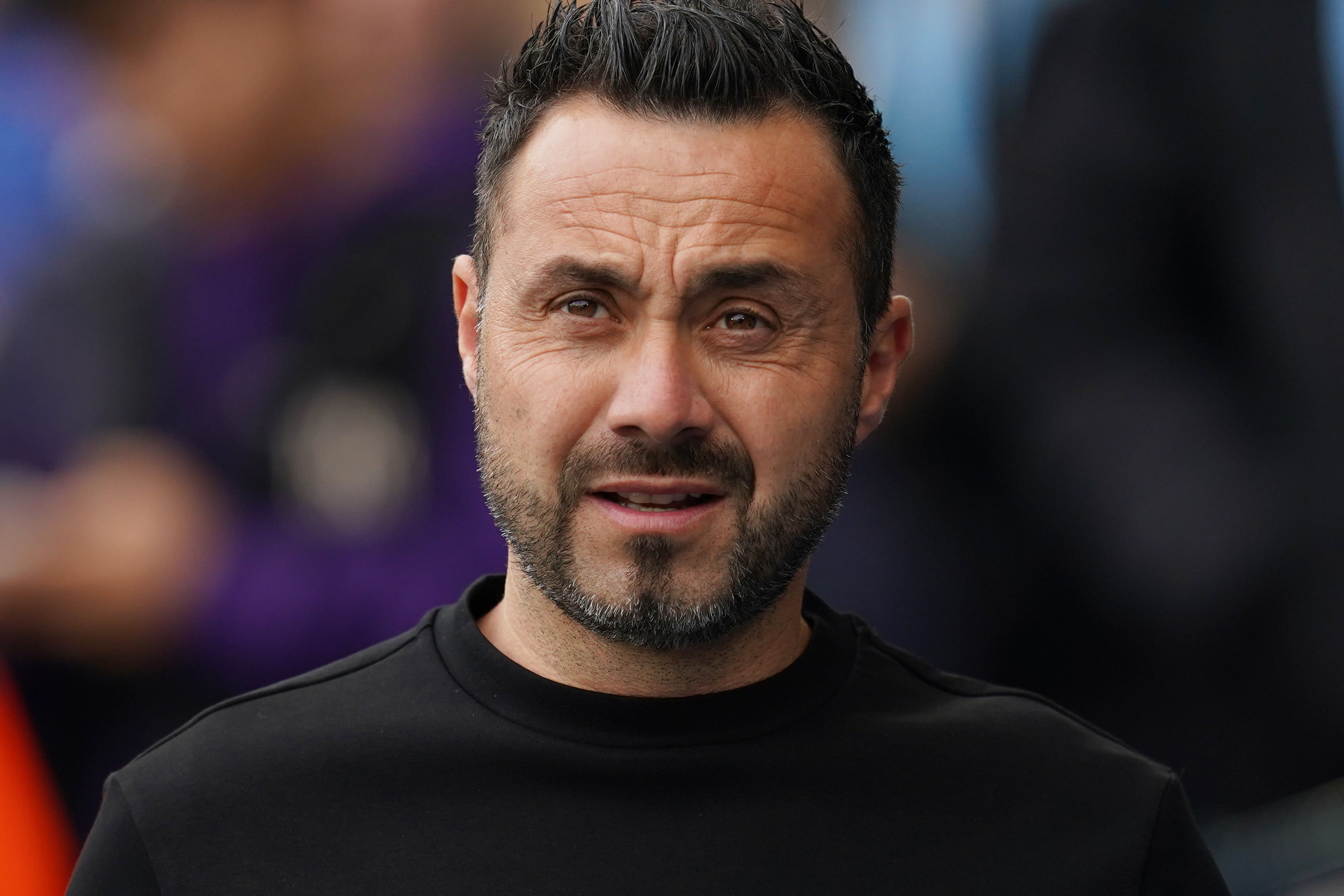
De Zerbi’s appointment on March 31, 2026, came as Spurs sat perilously close to the Premier League drop zone, just one point above the relegation places after a chaotic season that had already seen Thomas Frank and interim boss Igor Tudor fail to stabilize the ship. The club moved swiftly for the former Brighton and Marseille manager, handing him a five-year contract that signals long-term faith despite the immediate survival fight. De Zerbi, known for his possession-based, intricate style that transformed Brighton into one of the most entertaining sides in the league, arrived with a clear mission: inject organization, courage, and a love for the ball into a group that had looked rudderless for months. In his first press interactions, he emphasized enjoying possession, building from the back, and provoking opponents with patient play rather than rushed directness. “The target is falling in love with the ball,” he told players during early sessions, urging them to keep it, move it, and wait for the right moment under pressure.
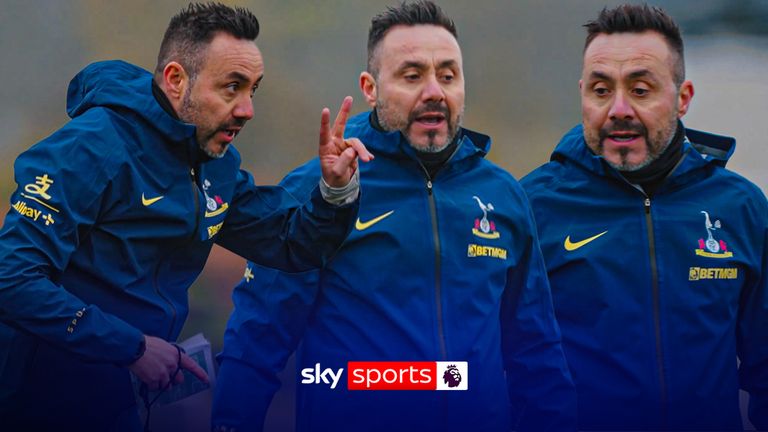
From the very first training session at Hotspur Way, the shift was palpable. Footage released by the club showed De Zerbi fully immersed – not just observing from the sidelines like some predecessors, but actively coaching, demonstrating, and demanding intensity. Sessions stretched longer than under recent regimes, though always centered on the ball with deliberate positional work, passing patterns, and pressing triggers. Players reported going home with “rave reviews,” one senior figure describing the opening day as “outstanding” to close friends. The Italian’s hands-on approach, vocal instructions, and clear principles – one or two touches, enjoying the ball, moving constantly – injected a level of detail and enthusiasm that many felt had been missing. Compared to the previous setups, players privately noted they had already learned more from De Zerbi in days than from the combined efforts of Frank, Postecoglou, and Tudor. This early buy-in has created a noticeable change in mood around the training ground, lifting spirits in a squad battered by poor results and uncertainty.

Yet the overhaul has not been without its physical toll. The longer, more demanding sessions – packed with high-intensity drills designed to embed De Zerbi’s complex system quickly – have left some players exhausted by the end of each day. Building a possession-dominant style that involves baiting presses, fluid rotations in wide areas, and aggressive mid-block defending requires sharp mental and physical conditioning. With only a handful of games remaining in the season and no full pre-season to bed in these ideas, the risk of fatigue or overload is real. De Zerbi has limited sessions to one main block per day but filled them with relentless focus on in-possession patterns and out-of-possession organization. Insiders reveal he is pushing hard because time is luxury Spurs cannot afford; he needs immediate clarity and personality on the pitch to turn draws or narrow defeats into vital wins. His first match in charge against Sunderland offers the perfect early test of whether this intensity translates under match pressure.
De Zerbi has not been shy about identifying his standout performers amid the chaos. Privately, he has been “purring” over six key stars, seeing them as the foundation for his vision. Central defenders Cristian Romero and Micky van de Ven have been highlighted as “crucial” to his plans – their ball-playing ability and defensive aggression fit perfectly with his build-up from the back. He praised Romero’s leadership and van de Ven’s composure, signaling they remain central despite summer speculation linking both with moves away. In attack, De Zerbi has raved about the talent of Xavi Simons, calling him “a big talent” with the versatility to thrive in his fluid system. Richarlison has earned applause for his attitude and adaptability, while De Zerbi sees huge potential in reviving Randal Kolo Muani, whom he believes can return to his best form under targeted coaching. Young forward Mathys Tel, whom De Zerbi tried to sign during his Marseille days, completes the group – his pace, skill, and goal threat align with the dynamic, attacking rotations the new boss demands. These endorsements have boosted morale among the selected players, giving them confidence to lead the group’s adaptation.

The radical approach stems from De Zerbi’s core philosophy and the dire situation he inherited. At Brighton and earlier clubs like Sassuolo and Shakhtar Donetsk, he built teams that dominated possession (often exceeding 60%), used a double pivot for deep build-up, and encouraged wingers and attacking midfielders to rotate and exploit half-spaces. Spurs’ current squad, featuring technically capable players like those he is praising, has “specific qualities” that match his style – something he explicitly mentioned when explaining why he took the job despite the pressure. He wants courage, organization, and the right spirit immediately, not gradual implementation. “We have to make points,” he stressed, acknowledging the short-term survival battle while committing long-term regardless of outcome. By pushing harder than ever so early, De Zerbi aims to create habits fast, clear heads clouded by recent turmoil, and give fans the “right football” they crave – attacking, entertaining, and deserving of support.
This intensity has sparked a mix of excitement and nervousness in the dressing room. Many players have responded positively, appreciating the clarity and passion after months of inconsistency. The new voice has provided structure where there was drift, and the ball-focused training has made sessions more engaging than repetitive fitness drills. Yet whispers of exhaustion raise legitimate concerns – overloading bodies in a compressed schedule could lead to injuries or mental fatigue, potentially triggering discontent if results do not improve swiftly. De Zerbi’s demanding nature is no secret; he expects total commitment and has little patience for those unwilling to adapt. So far, the reaction has been overwhelmingly constructive, with players buying into the methods and feeling genuinely coached again. Whether this holds as the fixtures pile up remains the critical unknown.
Beyond the tactics, De Zerbi’s personality has played a key role in the early buzz. Known for his intense but human touch, he engages directly with players, offering praise where due and constructive criticism wrapped in motivation. His willingness to get on the pitch, shouting encouragements like “Enjoy with the ball” or demonstrating quick passing under pressure, has humanized the process. This contrasts sharply with the more detached styles some experienced recently, fostering a sense of collective mission. For a club whose fans have endured frustration, the promise of attractive football aligned with Spurs’ traditional DNA – attacking flair mixed with tactical discipline – offers hope. De Zerbi has vowed to deserve supporter backing through the right spirit and behavior on the pitch.
As Tottenham prepares for the remaining fixtures, including that debut clash against Sunderland, the stakes could not be higher. De Zerbi’s overhaul represents a high-risk, high-reward gamble: accelerate change now to spark a survival miracle, or risk breakdown in a squad already fragile from disappointment. The six stars he is privately championing will likely shoulder much of the responsibility, their performances pivotal in translating training-ground gains to match-day output. If the radical push pays off, Spurs could not only secure Premier League status but emerge with a clear identity heading into next season under the Italian’s long-term vision.
Ultimately, De Zerbi’s first ten days have injected chaos and excitement in equal measure – a necessary disruption for a team crying out for direction. Players are tired but inspired, the style is shifting dramatically, and belief is flickering back to life. Whether this bold reset transforms Tottenham into a competitive force or exposes deeper fractures will unfold rapidly on the pitch. For now, the training ground hums with a different energy, one that could redefine the club’s season – or serve as a cautionary tale of change coming too fast, too furious. Spurs fans, starved of success, will watch with bated breath as their new manager’s revolution faces its first real tests.