“HE DOESN’T DESERVE TO COME HERE.”
That stark and emotionally loaded remark has thrown Hugo Ekitike into the center of a growing international controversy, as tensions between the striker and Cameroon’s football hierarchy appear to have reached a breaking point following his latest injury setback.
The comments, reportedly emerging from figures within the Cameroonian football setup, have sparked widespread debate over whether Ekitike will ever represent the nation at senior level. What was once viewed as a straightforward eligibility discussion has now developed into a far more complicated dispute involving pride, trust, and long-standing frustration.
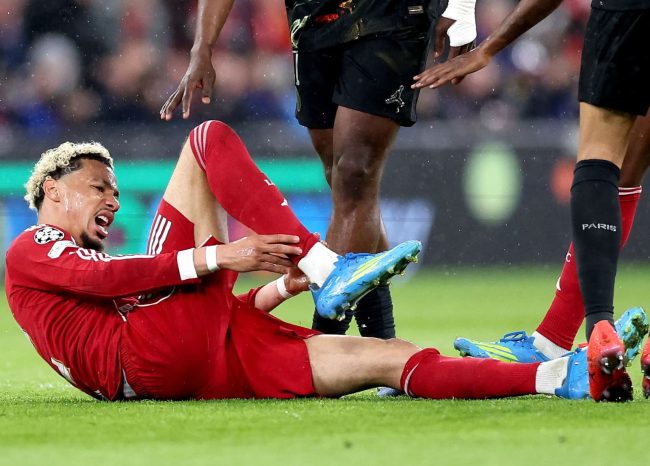
According to sources familiar with the situation, the reaction did not come out of nowhere. Instead, it reflects deeper, more gradual tensions that have been building behind the scenes for some time. While the injury may have acted as the immediate trigger, insiders suggest the underlying issues predate the latest setback by months, if not longer.
The striker’s international future had already been under scrutiny even before his physical condition became a concern. Within certain circles of the Cameroonian setup, there has reportedly been lingering dissatisfaction regarding his commitment and decision-making process when it comes to international representation.
Ekitike, born in Reims with eligibility for both France and Cameroon, has long been seen as a dual-nationality talent whose international choice carried symbolic weight. However, that very flexibility now appears to have become a source of tension rather than opportunity.
In recent days, the situation escalated further as private messages and behind-the-scenes exchanges allegedly surfaced among members of the national team structure. These communications, though not officially confirmed in detail, are said to reveal growing frustration over how Ekitike has approached his international options.
Some within the setup believe his previous priorities—particularly his focus on establishing himself within the France national football team pathway—may have signaled a lack of long-term commitment to Cameroon. Others interpret his eventual availability as more opportunistic than genuine, a perception that has clearly left emotional residue within the organization.
The timing of his injury has only intensified these sentiments.
What might have been a routine evaluation of squad planning has instead turned into a flashpoint for broader dissatisfaction. Rather than softening opinions or generating sympathy, the setback appears to have sharpened existing frustrations, bringing previously unspoken concerns into the open.
As one source close to the situation described, there was already a “silent discomfort” regarding how Ekitike was viewed internally. The injury, rather than resetting the narrative, has instead accelerated its breakdown.
Now, with strong language being used publicly—particularly the claim that he “doesn’t deserve” a place in the setup—the situation has moved beyond private disagreement and into open controversy.
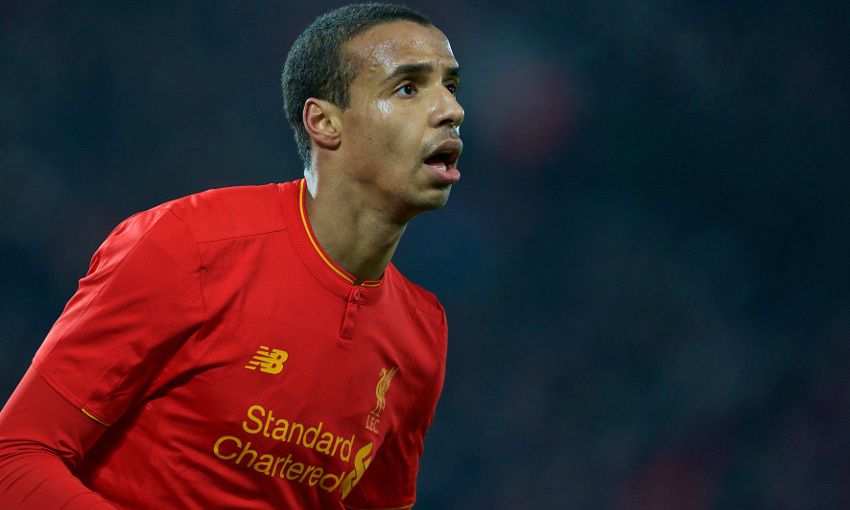
Observers note that this is no longer simply about fitness or selection. Instead, it reflects a deeper question about identity, loyalty, and mutual trust between a player and a national program.
Within modern international football, dual-nationality cases are increasingly common, but rarely do they escalate into such emotionally charged standoffs. In Ekitike’s case, the overlap of sporting ambition and national expectation appears to have created a fragile dynamic that has now fractured under pressure.
Adding another layer to the situation is the perception that expectations on both sides were never fully aligned. While Cameroon may have viewed him as a potential long-term asset, there is a belief among some officials that the player himself never fully committed to that pathway in a meaningful way.
That perceived disconnect has now become central to the controversy.
For Ekitike, the injury represents a purely sporting setback—one that affects his club momentum and physical progress. But within the broader international narrative, it has taken on a far more complex meaning, acting as a catalyst for already strained relations.
Sources suggest that even before this moment, there were internal discussions questioning whether integrating him into the squad would be beneficial for team cohesion. These concerns, once private and cautious, now appear to have hardened into more definitive stances.
The public emergence of such strong language indicates that reconciliation may be increasingly unlikely unless there is a significant shift in perception from one or both sides.
At the same time, the situation highlights the fragile nature of international eligibility debates in modern football. Players are often caught between competing national identities, career ambitions, and emotional expectations, while federations themselves must balance talent acquisition with cultural cohesion.
In this case, the balance appears to have collapsed entirely.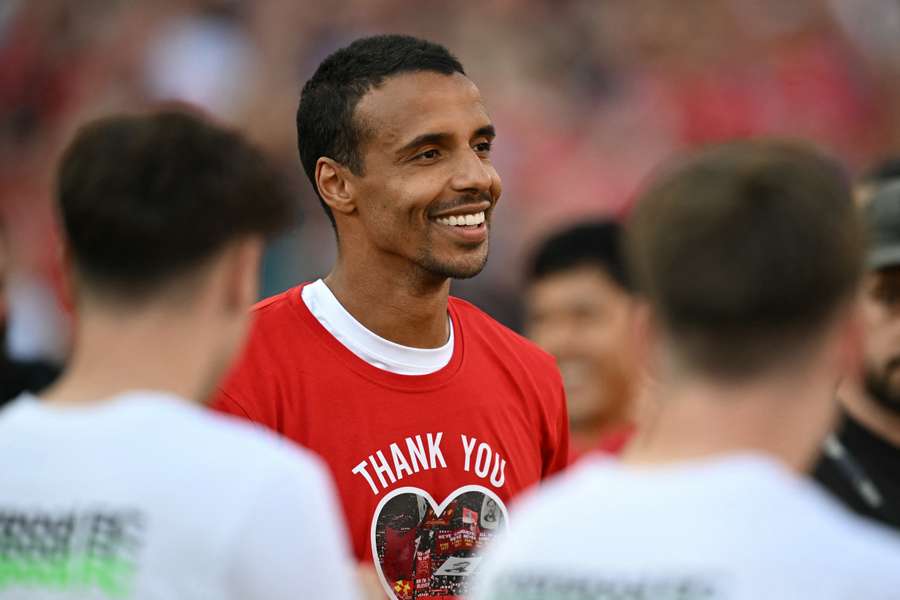
What makes the situation particularly striking is not just the disagreement itself, but the tone in which it is now being expressed. The phrase “doesn’t deserve” signals a moral judgment rather than a tactical one, suggesting that the issue has moved far beyond footballing considerations.
For Cameroon, this reflects a desire to assert identity and unity within the squad. For Ekitike, however, it introduces a reputational challenge that extends beyond the pitch, potentially affecting how future international opportunities are perceived.
As the situation continues to develop, there is still no official resolution or clear pathway forward. What is evident, however, is that the relationship between player and federation has entered a critical phase.
Whether this leads to reconciliation, a complete breakdown, or a permanent separation remains uncertain.
But what is already clear is that this is no longer just about one player’s selection.
It has become a reflection of deeper tensions, unresolved expectations, and the increasingly complex reality of modern international football identity.