The football world thrives on talent, momentum, and belief – but it can turn brutally fast when whispers of crisis begin to grow louder than performances on the pitch. That is exactly the storm now surrounding Hugo Ekitike, the gifted young forward whose rise once looked unstoppable, but whose current situation has left fans, pundits, and insiders asking one alarming question: what is really going on behind the scenes?

For many supporters, Ekitike represented the future. Blessed with pace, technical quality, and composure beyond his years, he was seen as one of Europe’s most promising attacking prospects. His movement in the final third, ability to glide past defenders, and eye for goal made him the kind of player clubs build long-term plans around. Yet instead of headlines about goals and progress, recent attention has focused on injury concerns, troubling rumors from the training ground, and suggestions of growing tension inside the club environment.
The most immediate concern is the injury issue itself. What initially appeared to be a routine setback has now become the center of intense speculation. Sources close to the situation have suggested the recovery process has not gone as smoothly as publicly presented. While official statements have remained cautious and measured, murmurs continue that Ekitike’s physical condition may be more complicated than many first believed.
That uncertainty has created a vacuum – and in football, vacuums are quickly filled by rumor.
Some reports claim the injury may have been aggravated following an intense training session that ended badly. Others have gone further, alleging there was a heated confrontation on the training ground shortly before the problem worsened. Though none of these claims have been formally confirmed, the mere existence of such stories has sent supporters into frenzy online, with many trying to piece together clues from body language, absences, and carefully worded club updates.
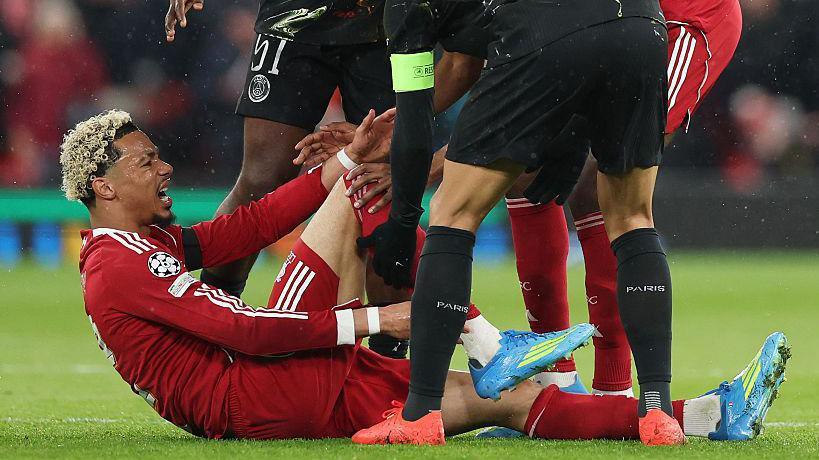
Training ground disagreements are hardly uncommon in elite football. High standards, pressure, and fierce competition often create moments of tension. But when those moments involve a young player already dealing with fitness concerns, the narrative becomes far more dramatic. Questions quickly emerge over mentality, support structures, and whether confidence inside the camp is beginning to crack.
For Ekitike, timing could hardly be worse. Young players rely heavily on rhythm. Development is rarely linear, but momentum matters enormously. A string of starts, goals, and strong performances can accelerate a career overnight. In contrast, injuries followed by speculation can stall progress just as quickly. Instead of focusing on improving his game, the striker now finds himself at the center of a media storm.
There is also growing talk of a so-called secret fitness crisis. That phrase may sound sensational, but it reflects increasing concern that deeper conditioning issues could be contributing to recurring setbacks. Modern football demands relentless physical output. Attackers are expected not only to score, but to press aggressively, make repeated sprints, and recover rapidly between matches. If a player’s body is not fully coping with that load, problems can surface again and again.
Observers have pointed to the way Ekitike’s appearances have been managed in recent months. Limited minutes, cautious substitutions, and periods of absence have all fueled theories that the club has been attempting to protect him while working privately on his conditioning. Whether that interpretation is accurate or not, it shows how every managerial decision is now being scrutinized through the lens of concern.
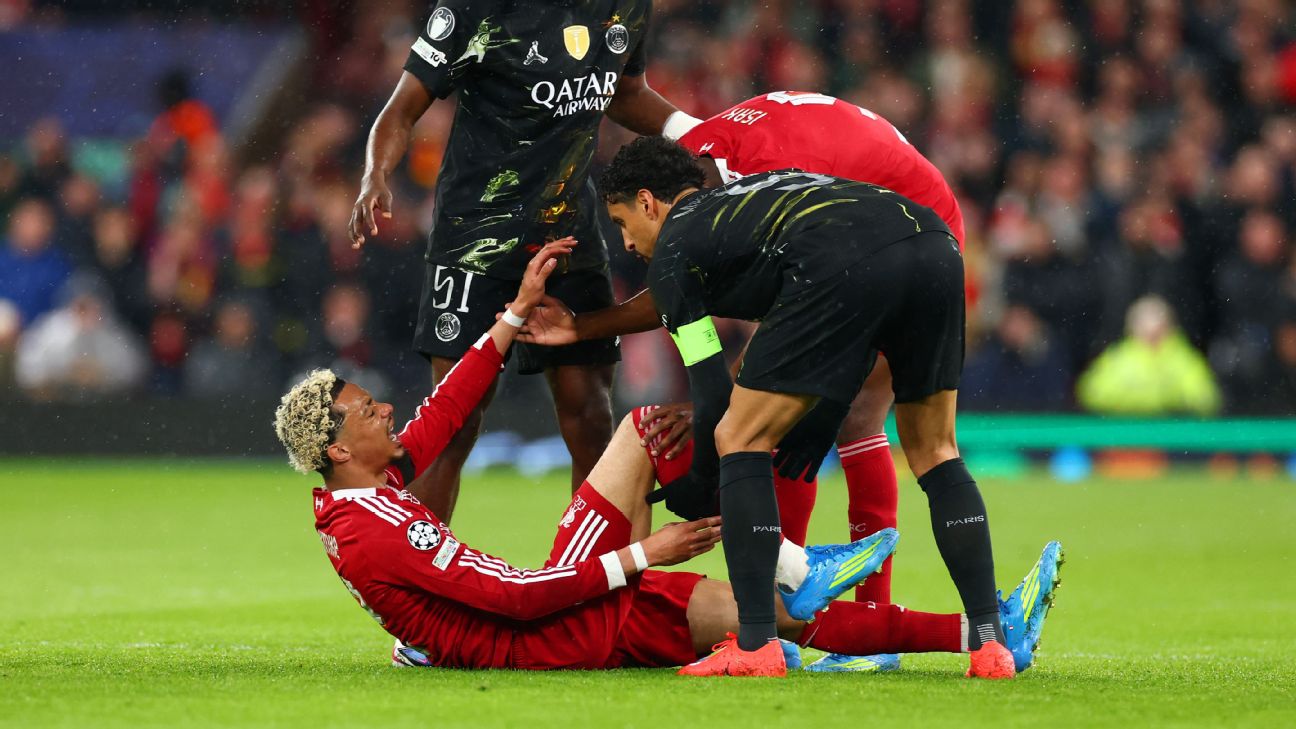
Behind-the-scenes chaos is another phrase increasingly attached to the story. Again, such language often grows larger than reality, but it usually begins somewhere. Reports of differing opinions between coaching staff, medical personnel, and player representatives have only intensified the sense that this is no ordinary injury situation. In top-level football, alignment is everything. If departments disagree on timelines, training loads, or readiness, frustration can quickly escalate.
Fans are especially sensitive to these signs because they have seen similar stories before. Many talented young players have lost precious years to stop-start progress, unclear planning, or constant physical setbacks. The fear among supporters is not just that Ekitike misses a few matches, but that a critical phase of his development is slipping away.
Yet it would be unfair to write the ending before the story is complete.
At his age, setbacks can still become turning points rather than collapse. Football history is full of players who endured injuries, criticism, and public doubt before emerging stronger. Sometimes a difficult spell forces an athlete to mature faster, refine habits, and build resilience that later becomes the foundation of greatness.
Those close to Ekitike have long described him as ambitious and determined. Teammates in past environments have praised his willingness to learn and his hunger to improve. If those qualities remain intact, then this moment could ultimately strengthen rather than damage his career. But much depends on what happens next: the quality of rehabilitation, the support around him, and whether the noise outside can be blocked out.
There is also the psychological side, often ignored in stories like this. Injuries are not merely physical interruptions. They can erode confidence, isolate players from teammates, and create anxiety about returning at full intensity. For a young forward whose game depends on instinct and sharpness, mental freedom is essential. If every sprint comes with fear of pain, every chance with pressure to silence critics, the challenge becomes even greater.
Managers often face a delicate balancing act in such moments. Bring a player back too soon, and the risk of relapse rises sharply. Wait too long, and the player loses rhythm while criticism intensifies. Supporters demand answers, media outlets chase exclusives, and rival clubs watch closely. It becomes a test not only of medicine, but of leadership.
Transfer speculation has inevitably followed. Whenever uncertainty surrounds a young talent, talk of exits begins. Some believe a fresh start elsewhere could help Ekitike reset and rebuild away from current pressures. Others insist patience is the smarter route, arguing that changing environment during a difficult phase can create even more instability. For now, those debates remain hypothetical, but they reveal how dramatically perceptions have shifted.
Just months ago, conversations centered on potential ceilings, future transfer values, and how high he could climb. Now the tone is more cautious, more anxious, and in some corners brutally pessimistic. Football can be ruthless that way. Promise buys excitement, but consistency earns trust.
Still, dismissing Ekitike now would be a mistake. Talent does not disappear because of one turbulent chapter. If anything, adversity often reveals what pure hype cannot – character, discipline, and inner resolve. The next few months may tell us more about him than the previous few years combined.
So is this truly the beginning of a shocking fall from grace? Or is it simply the painful middle act before a remarkable comeback? That is the question gripping the football world right now. What happens behind closed doors – in treatment rooms, training pitches, and difficult conversations – may determine whether Hugo Ekitike becomes another cautionary tale or the star who turned crisis into triumph. One thing is certain: everyone is watching.