Royal watchers are once again focusing on the evolving relationship between Prince William and his younger brother Prince Harry after a royal expert described William’s long-standing silence as a deliberate strategy rather than a lingering personal grievance. The interpretation has added fresh momentum to discussions about how the future king is shaping the monarchy’s direction while navigating one of the most closely watched family rifts in modern royal history.
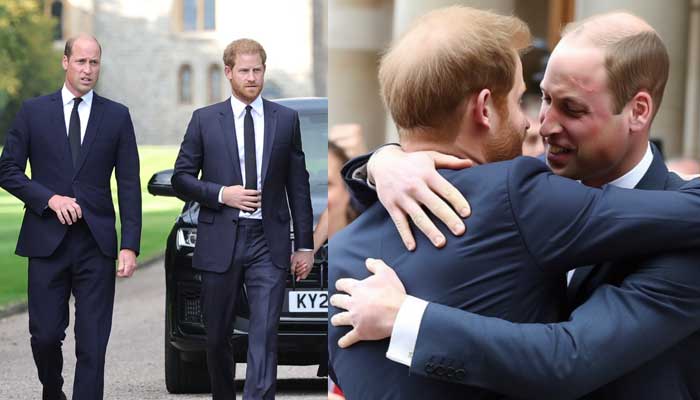
Although tensions between the brothers are widely understood to have deepened after Harry stepped back from royal duties in 2020, commentators say the roots of the divide stretch further back. Observers have long suggested that differences in responsibility, public role, and expectations about the institution itself created pressure within the relationship even before the Duke and Meghan Markle formally stepped away from frontline royal life. Since then, the distance between the brothers has become one of the defining storylines shaping public perceptions of the modern monarchy.
The situation intensified following the release of the documentary series Harry & Meghan and Harry’s memoir Spare, both of which included deeply personal reflections and criticisms of royal life. While the publications attracted global attention and renewed debate about the pressures of royal duty, they also appeared to complicate already fragile trust within the family. Analysts say these developments played a significant role in reinforcing William’s decision to maintain a measured silence rather than respond publicly.
According to broadcaster and photographer Helena Chard, this silence should not be mistaken for uncertainty. Instead, she described it as a purposeful approach that reflects how William intends to lead in the future. By refusing to engage publicly with ongoing speculation surrounding his brother, the Prince of Wales may be signalling a broader commitment to stability and institutional clarity at a time when the monarchy continues to adapt to changing expectations at home and abroad.
Chard argued that William’s decision to avoid responding to repeated headlines about the family dispute demonstrates a clear intention to step away from what she described as the “circus” of speculation. Rather than entering a public exchange of statements or gestures, he appears to be focusing on responsibilities connected to his role as heir to King Charles III. Observers say this reflects a leadership style centred on continuity rather than reaction.

Importantly, some commentators believe the approach also aligns with ongoing conversations taking place within Buckingham Palace about the monarchy’s future structure. For several years, the idea of a streamlined group of working royals has been discussed as part of an effort to maintain public trust while ensuring the institution remains effective and relevant. William’s silence, they argue, may be part of that wider transition rather than a purely personal decision.
Supporters of the Prince of Wales suggest this measured stance demonstrates discipline at a time when royal leadership is under close scrutiny. They argue that avoiding public confrontation helps preserve the monarchy’s reputation for neutrality and restraint. Critics, however, believe the absence of visible progress toward reconciliation risks prolonging the sense of division that has surrounded the family in recent years.
Even so, analysts emphasise that silence in royal life often carries its own meaning. In many cases, it can signal boundaries without escalating tensions through direct statements. In William’s case, experts believe it reflects a determination to set expectations about how disagreements involving the monarchy should be handled in the future—privately rather than publicly.
Chard went further in suggesting that the strategy may represent what she described as a “permanent royal reset.” According to her interpretation, William’s approach is not simply a temporary response to recent events but part of a longer-term plan to define the tone and structure of his eventual reign. By maintaining distance from ongoing controversy, he may be signalling that the monarchy’s priorities will remain centred on service and stability rather than personal disputes.
The idea of a reset has drawn particular attention because it comes at a moment when public interest in the Sussexes remains strong internationally. While Prince Harry and Meghan Markle continue to attract significant media coverage through independent projects and public appearances, their relationship with the institution they stepped away from remains complex. Analysts say William’s silence may reflect an effort to maintain clarity about the distinction between official royal roles and independent public activity.

Some observers also note that the Prince of Wales’s position differs subtly from that of his father. While King Charles III has occasionally been portrayed as open to dialogue, William appears more focused on establishing firm expectations for the future. Supporters interpret this as a sign of strong leadership preparation, while critics worry it could make reconciliation more difficult over time.
Nevertheless, those close to royal commentary circles argue that such decisions are rarely made lightly. Preparing for kingship involves balancing personal relationships with institutional responsibility, a challenge faced by generations of heirs before William. In this context, silence can function as a stabilising tool rather than a sign of disengagement.
As debate continues about what the strategy means for the future of relations between the brothers, royal watchers agree on one point: the approach reflects intention rather than uncertainty. Whether interpreted as discipline, distance, or determination, William’s silence has become one of the clearest indicators of how he may approach leadership when his time on the throne eventually arrives.