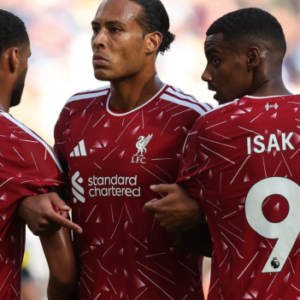
The lights at Old Trafford dimmed in a way few expected on that fateful night against Leeds United. What should have been a routine push for Champions League qualification turned into a humiliating 2-1 defeat, with Noah Okafor’s clinical double exposing deep cracks in Manchester United’s setup. As the travelling Leeds fans belted out triumphant chants for the first time in 46 years at the Theatre of Dreams, a stunned silence fell over the home crowd. Now, amid the rubble of this disaster, whispers of a £40 million summer gamble are growing louder – and at the heart of it all lies a simmering tension involving interim head coach Michael Carrick that could tear the club apart from within.
The match itself was a nightmare from the opening whistle. United, coming off a 24-day break without competitive action, looked sluggish and disjointed. Leeds, fighting for Premier League survival under Daniel Farke, arrived with aggression and purpose. Okafor struck early, capitalizing on defensive hesitancy to put the visitors ahead inside five minutes. By the 29th minute, he had doubled the lead, leaving Old Trafford in disbelief. The atmosphere shifted from hopeful anticipation to toxic frustration as the home side struggled to find any rhythm.

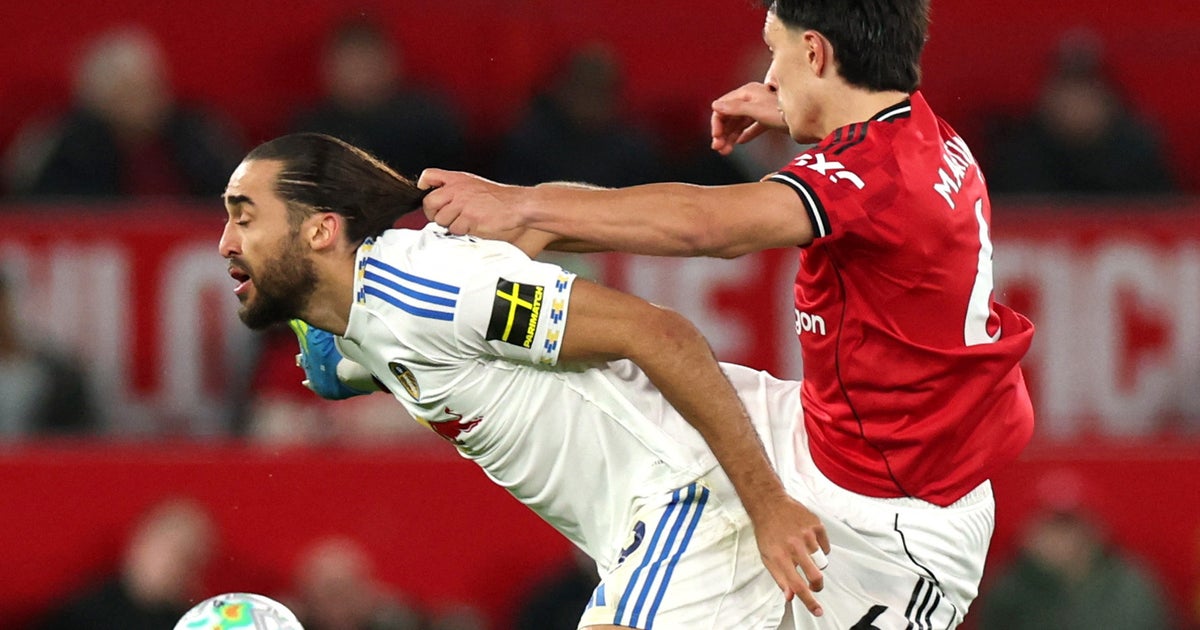
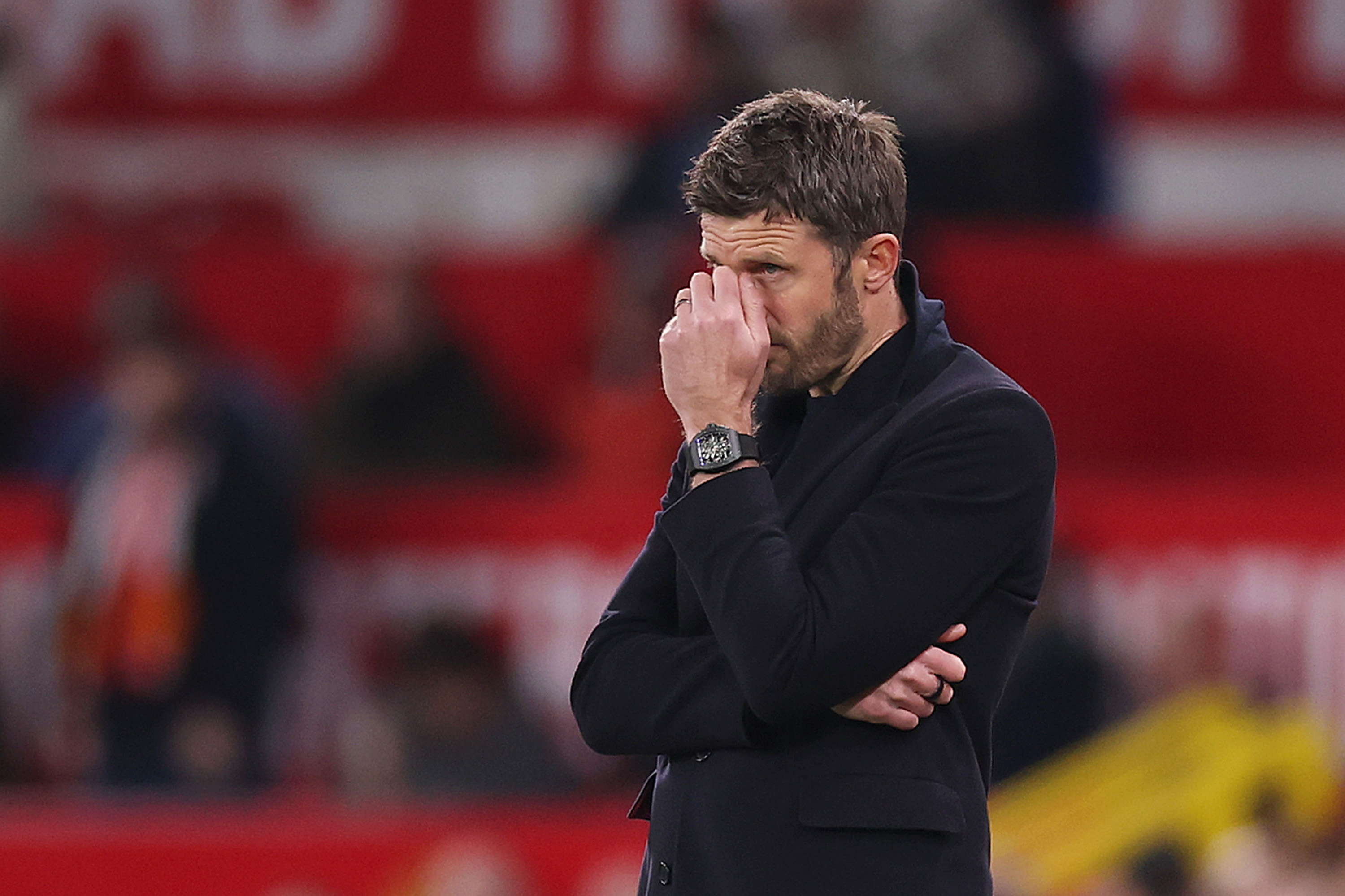
Even the introduction of controversy couldn’t save United. Lisandro Martínez, typically a warrior in the backline, was sent off in the 56th minute for pulling an opponent’s ponytail – an incident that sparked fierce debate. Carrick, visibly furious on the touchline, later slammed the decision as one of the “worst” and “most shocking” he had witnessed, insisting it changed the game’s dynamics unfairly. United managed a late consolation, but the damage was done. Fans streamed out in anger, many questioning how a side riding high under Carrick’s initial tenure could collapse so dramatically against relegation-threatened rivals.
This wasn’t just any loss. It marked Carrick’s first home defeat since stepping into the role following Ruben Amorim’s dismissal earlier in the season. Prior to this, the former United midfielder had steadied the ship impressively, guiding the team to strong form and positioning them firmly in the race for a top-four spot. His calm demeanor and tactical tweaks had earned praise from legends like Gary Neville and Roy Keane, with many viewing him as the natural long-term successor. But the Leeds result has changed everything. Questions are now swirling about tactical naivety, player motivation, and whether the dressing room is truly united behind him.
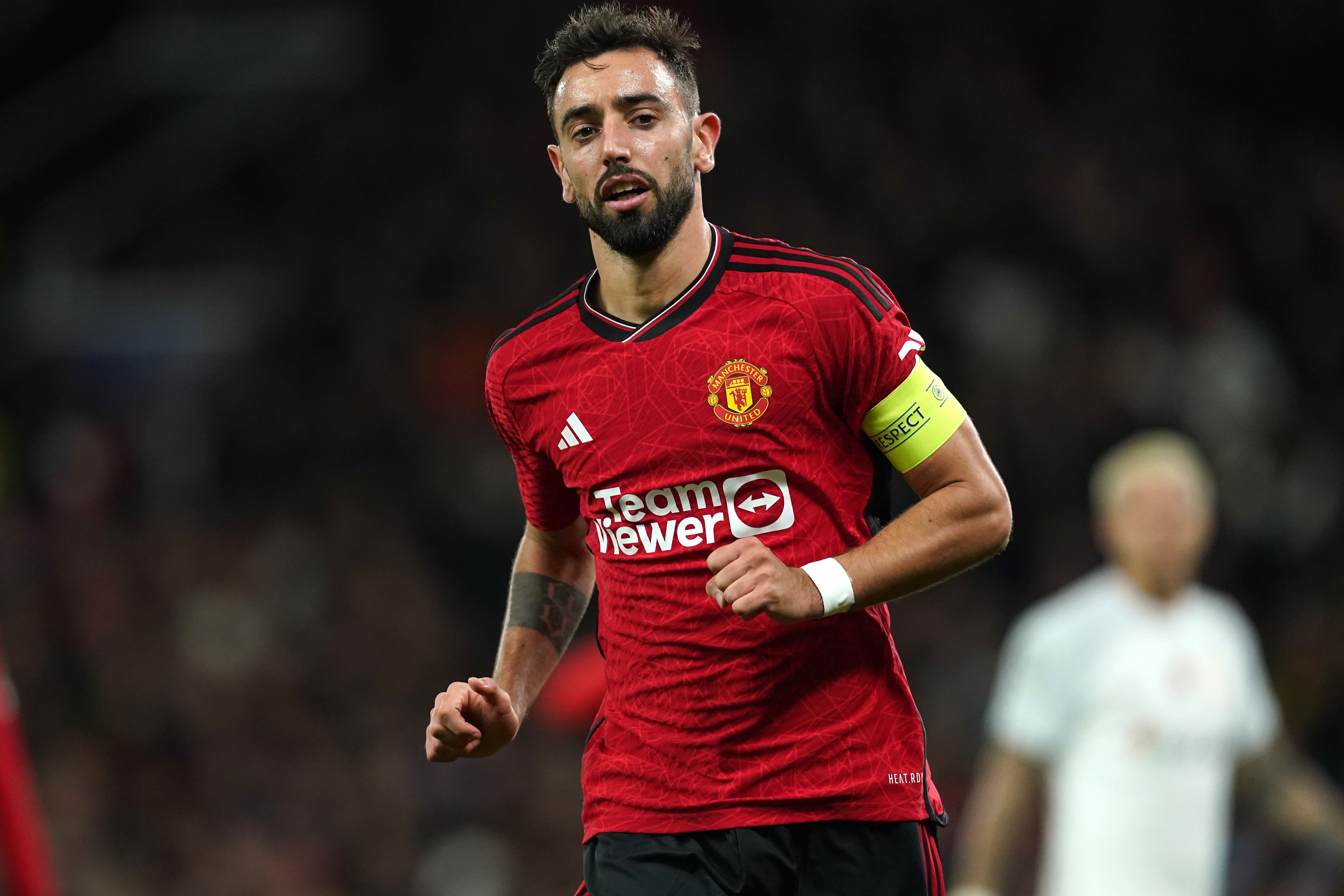
Insiders suggest the defeat has exposed underlying issues that go far beyond one bad night. Sources close to the club describe growing unease in the hierarchy, with some board members reportedly losing faith in Carrick’s ability to handle high-pressure fixtures consistently. The 24-day layoff was meant to refresh the squad after a grueling campaign, yet it seemed to dull their edge instead. Players appeared disconnected, with key figures like Bruno Fernandes unable to impose themselves as captain. The red card to Martínez only compounded problems, leaving the defense vulnerable and forcing reactive substitutions that never quite clicked.
Enter the “hidden plot” that has set tongues wagging behind closed doors at Carrington. According to well-placed reports circulating in football circles, Michael Carrick – the man tasked with stabilizing United – is allegedly involved in delicate internal maneuvers. Some describe it as a calculated effort to shine a light on deeper problems plaguing the managerial setup and squad dynamics. Whispers suggest Carrick has been quietly documenting and sharing observations about certain “dark secrets” – from questionable recruitment decisions and fractured player relationships to potential issues with training methods and motivational tactics that have lingered from previous regimes.
These claims paint a picture of a coach who, while publicly supportive, is privately pushing for transparency that could unsettle the status quo. Carrick’s long history at the club, as both player and coach, gives him unique insight. He knows where bodies are buried, metaphorically speaking. If true, his “plot” isn’t born of malice but of a desperate desire to protect the institution he loves. Exposing inconsistencies in how the team is managed could force necessary changes – but at what cost? Leaks of this nature risk creating divisions, eroding trust, and handing ammunition to rivals who already smell blood in the water after the Leeds debacle.
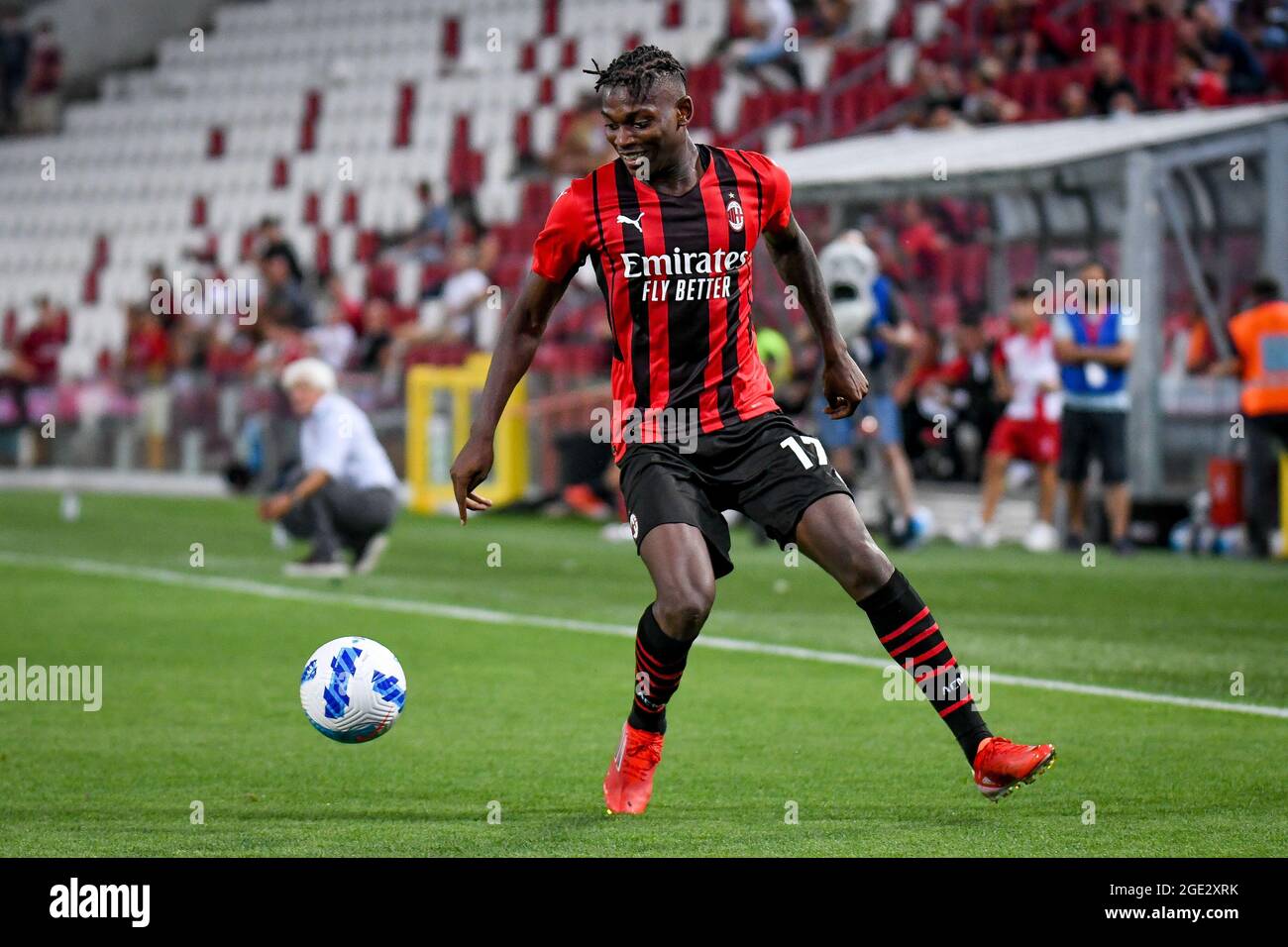
At the center of this intrigue stands a potential £40 million summer signing who may hold the key to unlocking the truth. Rumors point toward high-profile targets like Rafael Leao from AC Milan, a player whose explosive pace, dribbling, and goal threat have made him one of Europe’s most coveted wingers. With reports suggesting Milan could be open to a deal around the €40-50 million mark due to their own financial pressures, United see him as a transformative “gamble” – a statement signing to inject flair and unpredictability into a side that looked painfully one-dimensional against Leeds. Leao’s ability to operate on either flank and his proven pedigree in big games make him an ideal fit for a club craving attacking identity.
But why is this £40 million star potentially the only one who “knows the truth”? Insiders claim the Portuguese forward has been sounded out discreetly as part of advanced recruitment talks. During hypothetical discussions or informal channels, he may have been made aware of the internal tensions – the push for a more dynamic, attacking philosophy versus the pragmatic approach that has defined recent months. Leao, known for his strong personality and desire for a project where he can be the star, could be privy to assurances or revelations about the direction Carrick envisions. If the “dark secret” involves resistance to bold changes or hidden fractures in squad harmony, a player of Leao’s caliber might represent the fresh start needed to bridge those gaps.
The gamble is enormous. Spending £40 million on an attacker amid financial scrutiny and a need for defensive reinforcements is bold, even by United standards. Critics argue it distracts from more pressing needs, like shoring up the midfield or addressing the defensive lapses that allowed Okafor to run riot. Yet supporters of the move point to Leao’s upside: his youth, versatility, and potential to form a devastating partnership with existing talents like Fernandes or emerging prospects. In a window where data-driven recruitment is supposedly the new mantra at Old Trafford, Leao fits the profile of a high-reward investment – provided the internal politics don’t derail everything first.
The fallout from the Leeds disaster has rippled far beyond the pitch. Fans have taken to social media and forums, venting their disappointment and demanding accountability. Some chants directed at the team and staff during the game highlighted the growing impatience. Meanwhile, the dressing room reaction was reportedly muted, with players retreating into reflection rather than fiery confrontation. Carrick himself faced tough questions in the post-match press conference, where his frustration over refereeing spilled over but couldn’t mask the bigger issues at play. His calls for the first goal to be disallowed and the red card to be overturned fell on deaf ears, leaving United to lick their wounds with key suspensions looming.
This moment represents a critical crossroads for Manchester United. The club that once dominated English and European football now finds itself navigating choppy waters – balancing short-term results with long-term vision. Carrick’s tenure, once seen as a stabilizing force, is under the microscope. If his alleged behind-the-scenes efforts to expose weaknesses are real, they could catalyze positive reform: better communication, renewed tactical clarity, and a squad rebuilt around winners. But if mishandled, they risk accelerating a sense of chaos, alienating key figures, and making the pursuit of top talent like a £40 million star far more complicated.
The emotional toll on everyone involved cannot be overstated. For Carrick, a club legend, the pressure of managing his boyhood team while dealing with internal whispers must be immense. For the players, the sting of falling to bitter rivals Leeds – a fixture loaded with historical animosity – cuts deep. And for the supporters, who have endured years of transition since the post-Ferguson era, another false dawn feels particularly cruel. Yet football is a game of resilience. United have bounced back from worse, and the potential arrival of dynamic reinforcements could spark a new chapter.
As the season hurtles toward its climax, with crucial fixtures ahead in the Premier League and the fight for European spots intensifying, all eyes remain on how this drama unfolds. Will the £40 million gamble pay off, delivering the spark United desperately need? Or will Carrick’s hidden maneuvers – whatever their true nature – prove the catalyst for either redemption or further turmoil? The truth, as always in football’s high-stakes world, may only emerge when the dust settles. One thing is certain: Old Trafford’s next chapter promises to be as dramatic as the one just witnessed against Leeds. Fans everywhere will be watching closely, hoping the club’s enduring spirit can prevail over the shadows of doubt.