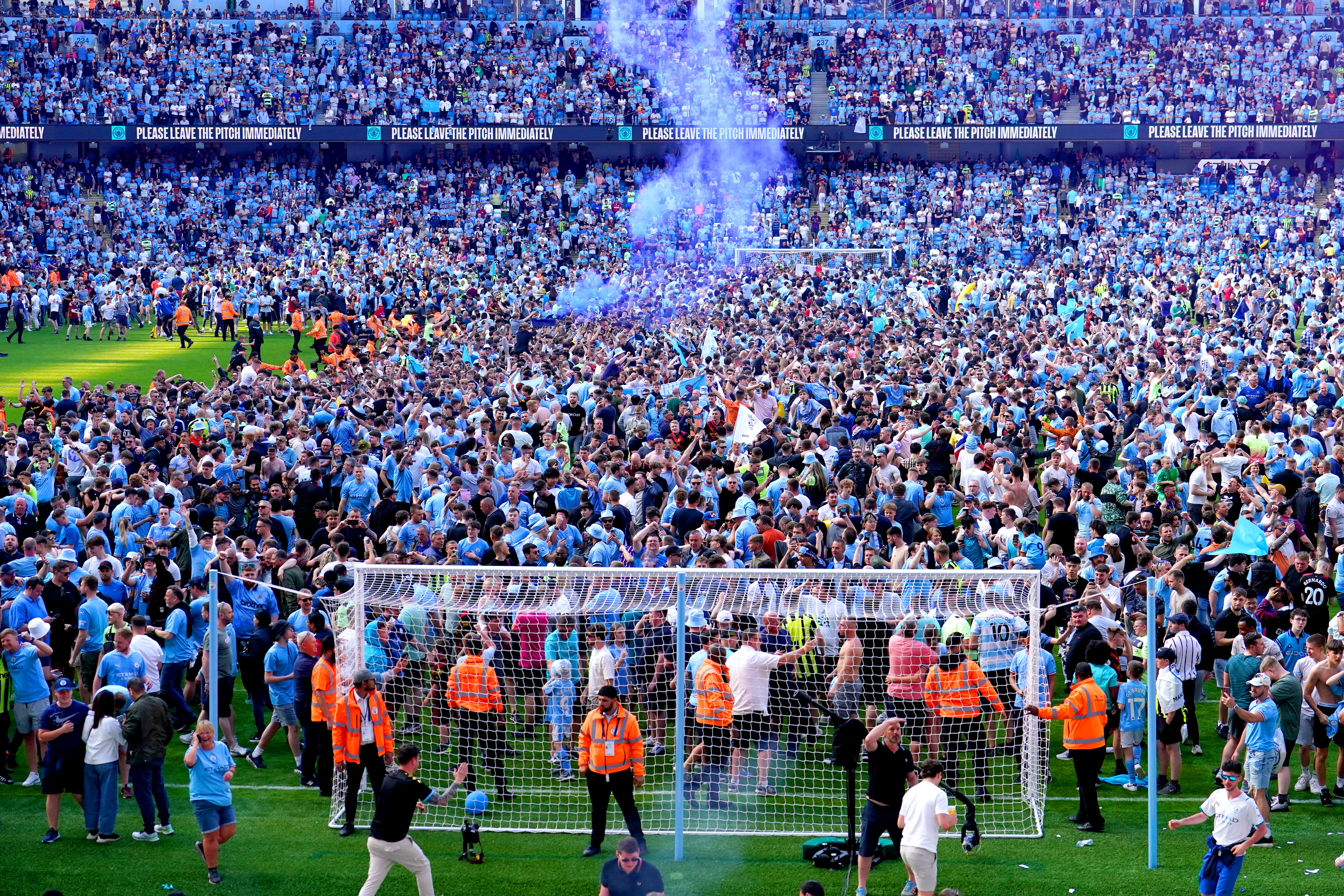
The Etihad Stadium was still pulsing with raw emotion when the final whistle blew on that dramatic Sunday afternoon. Manchester City had just edged out Arsenal 2-1 in a pulsating Premier League clash that has reignited the title race with only six games remaining for Pep Guardiola’s side. What followed, however, was not just a standard celebration – it was a wild, unbridled party that spilled onto the pitch and into the stands, complete with shirtless players dancing provocatively, taunting gestures aimed at the shell-shocked Arsenal contingent, and even the goalkeeper Gianluigi Donnarumma leaping into the crowd like a rock star diving off stage. For many watching, it was pure ecstasy. For Wayne Rooney, the Manchester United legend turned pundit, it was something far more dangerous: premature, over-the-top, and potentially cursed.
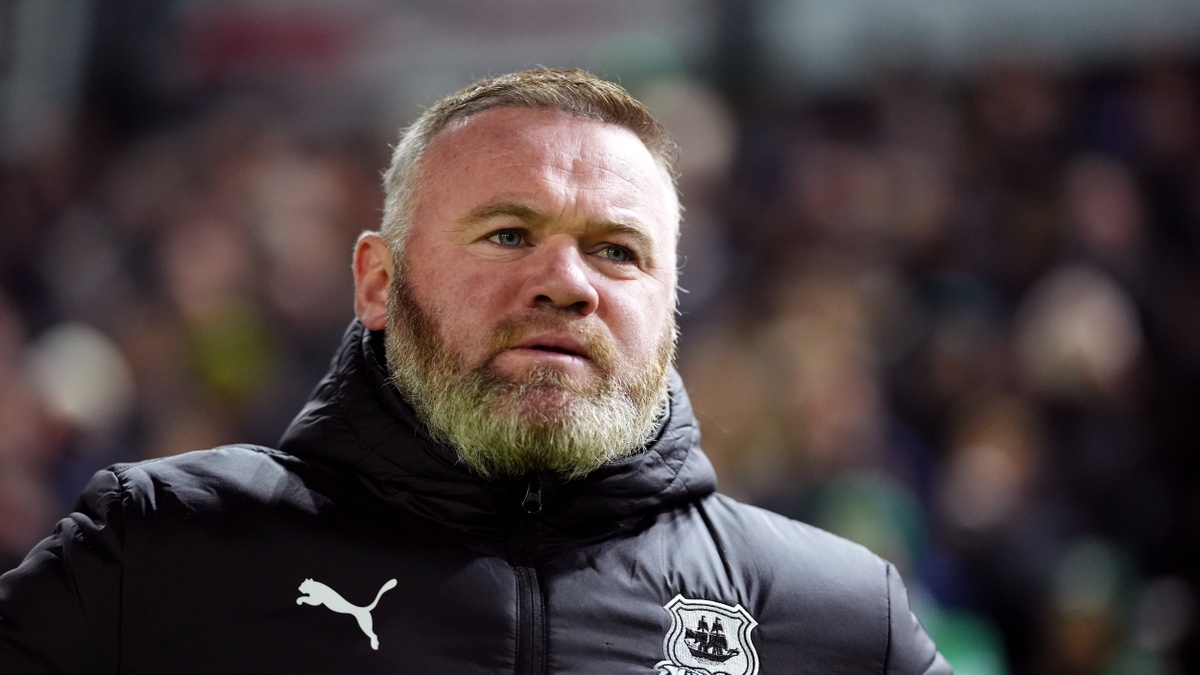
Rooney, never one to shy away from a strong opinion, unleashed his fury during the Match of the Day studio debate that evening. His face tightened with that familiar intensity as he dissected the scenes unfolding at the Etihad. “The celebrations were a bit over the top,” he declared bluntly. With six games still to play and Arsenal still sitting atop the table, Rooney argued that City’s exuberance risked tempting fate. He warned that such unrestrained joy could “come back to bite them,” turning what should have been a focused push for the title into a moment of hubris that haunts the final stretch of the season. The former England captain didn’t hold back, suggesting the dancing and taunting crossed a line from passion into provocation, especially as Arsenal players stood nearby, heads bowed in defeat after goals from Rayan Cherki and Erling Haaland had sealed the victory following Kai Havertz’s equalizer.
The images from the post-match frenzy quickly went viral. Players ripped off their shirts, revealing sweat-glistened torsos as they jumped and gyrated in front of the home fans. Some directed pointed gestures toward the away end, where Arsenal supporters and players absorbed the sting of a narrow loss in a match many had tipped the Gunners to win. Donnarumma’s crowd-surf moment added to the chaos, his arms outstretched as blue smoke billowed from flares in the stands. It wasn’t just a win; for City, it felt like a statement – a defiant roar that they were not done fighting for the crown despite trailing in the standings. Yet Rooney saw red flags everywhere. Drawing from his own storied career, where he experienced the highs of title challenges and the agony of near-misses, he painted a picture of a team flirting with disaster by celebrating too early and too loudly.

In the BBC studio, the debate ignited like a touchpaper. Host Mark Chapman probed whether Arsenal could use the footage as motivational “fire” in their remaining five fixtures. Rooney doubled down without hesitation. “I just think it’s a little bit premature and it might come back to bite them,” he reiterated, his voice carrying the weight of experience from countless dressing room battles. He acknowledged the significance of the three points – City had closed the gap and kept their title hopes flickering – but insisted the manner of the party sent the wrong message. For a side still chasing, not leading, the shirtless dancing and taunts risked breeding complacency or, worse, giving opponents extra motivation to knock them off course. Rooney’s words carried an undercurrent of drama, evoking memories of past Premier League collapses where early euphoria preceded painful falls.
The reaction from the City camp was swift and uncompromising. Defenders like Ruben Dias and John Stones, pillars of Guardiola’s backline, pushed back hard in post-match interviews and social media ripples. They dismissed Rooney’s critique as nothing more than jealousy from a rival club’s icon who could only watch from afar as City continued to dominate English football. “Why shouldn’t we celebrate a massive win against a top team?” one City source close to the players reportedly fired back. The defenders argued that the passion on display was exactly what had fueled their success over the years – raw emotion channeled into unbreakable team spirit. Taunting? They called it competitive edge, not malice. Shirtless dancing in the heat of the moment? Just lads letting off steam after a grueling 90 minutes against a physical Arsenal side that had pushed them to the limit.

Pep Guardiola himself waded into the storm the following day, labeling the criticism “stupid” in no uncertain terms. The Catalan manager, known for his meticulous control, defended his players’ right to “live the moment.” “They knew if we didn’t win it would be ‘bye bye’ for the title race,” Guardiola explained passionately. “They won and still we are there. How can they not celebrate it?” He urged his squad to embrace the joy of beating a direct rival while maintaining focus for the remaining fixtures, including a tricky midweek trip. For Guardiola, the wild scenes at the Etihad were not over-the-top but authentic – a release after weeks of pressure where every point feels like gold. His defenders echoed this, claiming Rooney’s comments stemmed from old rivalries rather than objective analysis. “He’s just jealous,” one fan chant variation quickly spread online, capturing the tribal divide that makes Premier League football so intoxicating.
The taunting element added another layer of controversy. Videos showed City players gesturing toward Arsenal’s bench and traveling support, moments that some viewed as disrespectful but others celebrated as psychological warfare. Arsenal, for their part, remained relatively measured in public, with Mikel Arteta focusing on regrouping rather than fueling the fire. Yet inside the dressing room, sources suggest the images of City’s celebrations stung deeply, potentially serving as the spark Rooney feared – or perhaps the very curse he predicted. Havertz’s early equalizer had briefly silenced the Etihad, only for Haaland’s clinical finish to swing the pendulum back. The Norwegian striker, often the focal point of City’s attack, joined in the festivities with his trademark intensity, his celebration blending power with provocation.
As the debate raged on Match of the Day, viewers were treated to a masterclass in football punditry theater. Rooney’s furrowed brow and direct delivery contrasted with more measured voices, but his points landed with force. He wasn’t alone in questioning the excess; former players like Danny Murphy described the scenes as feeling “a bit much,” especially with the title far from decided. The studio discussion expanded into broader themes: the psychology of celebrations in high-stakes races, the fine line between confidence and arrogance, and whether modern football has lost its old-school restraint. Rooney drew parallels to his United days, where Sir Alex Ferguson instilled a mentality of never getting carried away until the trophy was secured. “Don’t celebrate too much too soon,” he essentially advised, a mantra rooted in painful lessons from seasons where momentum shifted brutally in the closing weeks.
City’s response only amplified the drama. Defenders hit back not just defensively but with counter-attacks of their own, accusing Rooney of bias and reminding everyone of their track record in title deciders. Ruben Dias, a vocal leader on and off the pitch, has been instrumental in maintaining squad morale, and his partnership with John Stones forms the bedrock of their defensive resilience. Their celebrations, they insisted, were for the fans who had roared them on through a tense afternoon. The Etihad faithful responded in kind, with banners mocking “panic on the streets of London” and mass singing that drowned out any dissent. Shirtless fans in the stands mirrored the players, creating a sea of blue energy that symbolized the club’s enduring hunger.
Yet beneath the bravado lies a genuine tension. With six games left, City face a grueling run that includes tough away trips and potential banana skins. A single slip could render those post-match dances a painful memory rather than a launchpad. Rooney’s warning carries weight because football history is littered with examples of teams undone by hubris – Leicester’s miracle season ending in fatigue, or Manchester United’s own collapses in pursuit of glory. Arsenal, still in pole position, will be licking their wounds but drawing motivation from the perceived slight. Their fans, criticized by Rooney in separate comments for booing after a recent loss, must now rally behind Arteta’s men rather than turn inward.
The clash between Rooney’s old-school caution and City’s modern, expressive flair highlights deeper shifts in the game. Today’s players express emotion more openly, influenced by social media, global fanbases, and a culture that rewards personality. Taunting has become part of the spectacle, turning matches into theater where every gesture tells a story. But as Rooney pointed out, with the prize still dangling, such displays risk distraction. The heated Match of the Day exchange captured this divide perfectly, leaving millions of viewers debating long into the night: celebration or curse?
As the Premier League hurtles toward its climax, this explosive row refuses to fade. Will City’s wild post-match party at the Etihad prove the fuel for a stunning title surge, or will Rooney’s predicted bite manifest in dropped points and regret? The shirtless dancing may have felt liberating in the moment, but in the cold light of the remaining fixtures, it could haunt or inspire. One thing is certain – the title race just got a whole lot more personal, dramatic, and impossible to look away from. Football at its fiery best leaves us all wondering: who will have the last laugh when the final whistle sounds on the season?