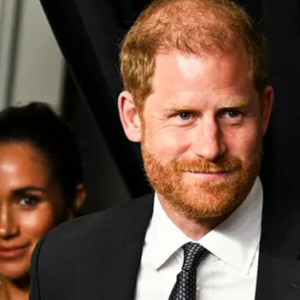
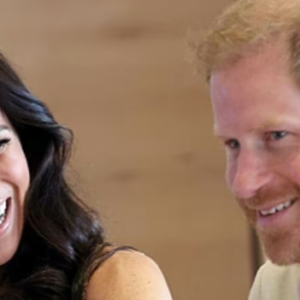
Australia has offered a candid and, at times, unforgiving assessment of Prince Harry and Meghan Markle following their widely publicized visit—yet the couple themselves appear determined to frame the journey as a meaningful success, both personally and strategically.
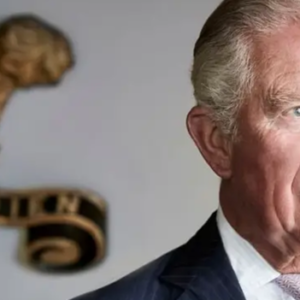
On the second day of their tour, Harry added a more reflective dimension to the trip during a community discussion about family and resilience. Speaking openly, he suggested that each generation of parents has a responsibility to improve upon the last, describing parenting as an evolving process rather than a fixed tradition. Without directly criticizing his upbringing, he drew a subtle comparison between his own approach and that of his parents, King Charles III and Princess Diana. Harry emphasized that he hopes to be “an upgrade” for his children, aiming to provide them with greater emotional openness, stability, and understanding than he felt was sometimes possible in his own childhood.
The remark quickly became one of the most talked-about moments of the tour. Supporters interpreted it as a thoughtful acknowledgment of generational growth and a sign of his commitment to breaking cycles. Critics, however, viewed it as an unnecessary comparison that risked reopening long-standing tensions within the Royal Family.
This deeply personal commentary came amid a tour that blended humanitarian outreach with high-profile appearances and commercial ventures. Over four days, the Duke and Duchess of Sussex moved between solemn engagements—such as visiting the Australian War Memorial and meeting survivors of the Bondi terror attack—and more media-driven moments, including Meghan’s guest appearance on MasterChef Australia and her participation in an exclusive Sydney event often dubbed “Megstock.”
At that event, attended primarily by women and carrying a premium ticket price, Meghan spoke about the pressures she has faced since joining the royal spotlight. She described her experience as intensely scrutinized, reiterating her claim of being one of the most targeted public figures online. While some attendees found her honesty compelling, others questioned whether such a message resonated within a setting associated with luxury and exclusivity.
Despite the couple’s visible effort to connect with the public and present a more relatable image, new polling suggests that the visit did little to shift broader perceptions. A large majority of Australians reported that their opinion of Harry and Meghan remained unchanged, with only a small fraction saying the tour had improved their view of the pair. The data indicates that while awareness of their presence was high, genuine enthusiasm was far more limited.
Questions about their relationship with the Royal Family also continue to shape public opinion. Most Australians surveyed expressed the belief that Harry and Meghan have not been treated unfairly, contradicting a narrative the couple has often presented in interviews. At the same time, optimism about reconciliation between Harry and his father appears low, with many doubting that trips like this will bridge the gap.
Behind the scenes, however, sources close to the Sussexes maintain that the tour achieved exactly what it set out to do. They describe it as a proof of concept for a new model of public engagement—one that allows the couple to pursue charitable work while maintaining financial independence. Rather than viewing their approach as a compromise between royal duty and private life, insiders say Harry and Meghan see it as a deliberate reinvention.
According to these sources, the couple believes that continued interaction with communities around the world will gradually reshape public perception. Harry, in particular, is said to take a long-term view, trusting that consistency and visibility will eventually counter skepticism.
Still, controversy has followed them throughout the visit. Meghan faced criticism after clothing worn during a visit to Bondi—where she met survivors of a recent attack—was quickly promoted online through a platform linked to her business interests. Observers argued that the timing blurred the line between compassion and commerce, raising fresh concerns about the commercialization of their public roles.
Royal commentator Richard Palmer suggested that such incidents may deepen unease within palace circles. Although Harry and Meghan are no longer working royals, their continued use of titles and high-profile status means their actions inevitably reflect on the monarchy as a whole.
Public sentiment in the United Kingdom echoes some of these concerns, with many questioning whether the couple should continue to leverage their royal connections in commercial contexts. This ongoing debate underscores the challenge Harry and Meghan face as they attempt to define a new identity outside the traditional royal framework.
Meanwhile, Australians themselves appear divided on the idea of the couple establishing a more permanent presence in the country. While a significant minority expressed openness to the idea, a larger portion opposed it, suggesting that interest in the Sussexes does not necessarily translate into long-term support.
Even reflections on Queen Elizabeth II reveal a split perspective. Some believe she would have approved of the couple’s efforts to forge an independent path, while others think she would have been concerned about the implications for the institution she spent her life preserving.
In many ways, Harry’s comments about parenting encapsulate the broader narrative of the tour. His emphasis on growth, change, and doing better than previous generations mirrors the couple’s attempt to redefine their role in public life. They are, in essence, trying to “upgrade” not only their approach to family but also their place within a global landscape that blends tradition with modern expectations.
Yet the Australian response suggests that such reinvention is not easily accepted. While Harry and Meghan continue to attract attention and spark conversation, shifting deeply held perceptions remains a far more complex challenge. Their journey reflects a tension between intention and reception—between the story they wish to tell and the one the public is prepared to believe.
For now, the tour stands as both a showcase of their ambitions and a reminder of the hurdles they still face. Whether their evolving strategy will ultimately resonate remains uncertain, but one thing is clear: every appearance, every statement—including Harry’s reflections on parenting—adds another layer to a story that continues to captivate and divide audiences around the world.