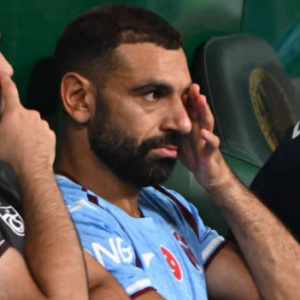
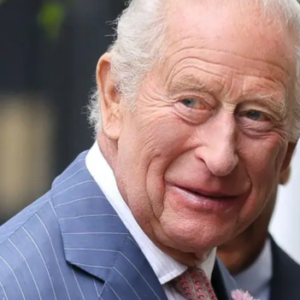
King Charles III is preparing for a high-profile visit to the United States on April 27, 2026, where he is expected to meet President Donald Trump as part of an official state engagement marking America’s 250th anniversary. While the visit is being framed by Buckingham Palace as a moment of diplomatic celebration and historical reflection, commentary from political observers and royal commentators has already introduced a more complicated narrative behind the scenes—suggesting that the encounter could be far more tense than the formal schedule implies.
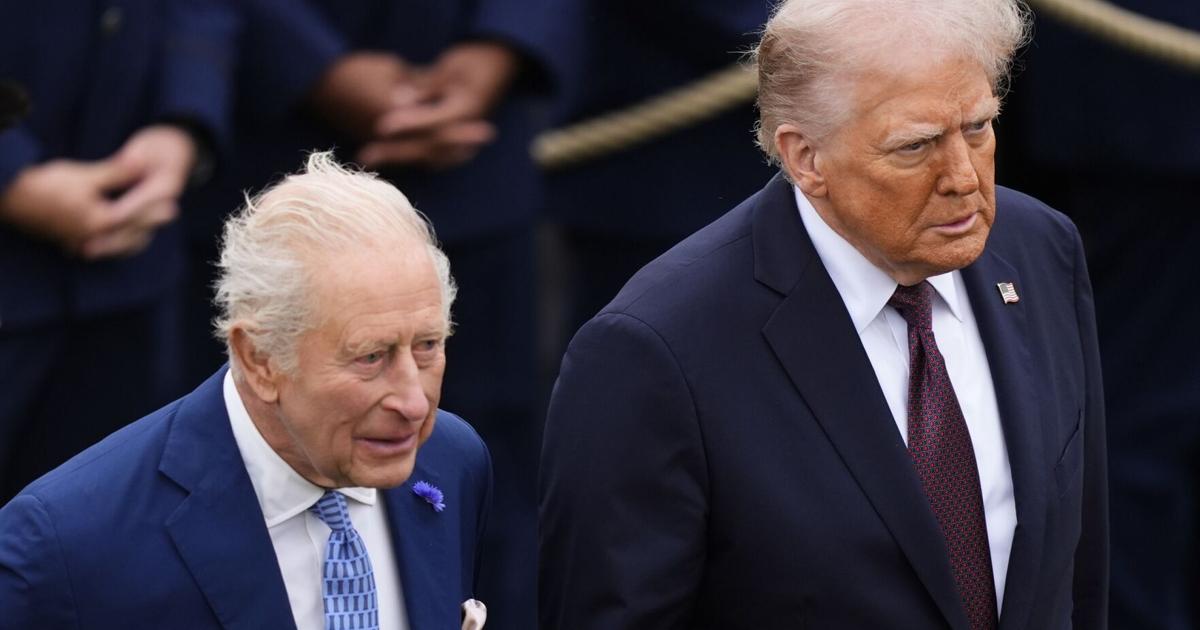
According to former Vanity Fair editor Tina Brown, writing on her Substack, the relationship between the British monarch and the U.S. president is not especially warm on a personal level. Brown claimed that King Charles “viscerally despises” Trump, a characterization that has quickly circulated across media commentary circles and fueled speculation about how the two leaders will interact in person during the visit.
While Buckingham Palace has not commented on such claims, Brown’s remarks reflect a broader sense among some royal-watchers that the meeting is politically delicate. The timing of the visit, she noted, comes at a moment when relations between Washington and London are under strain, particularly due to disagreements involving British Prime Minister Keir Starmer and the U.S. administration’s approach to military strategy in Iran. These tensions, although primarily political in nature, are expected to form an undercurrent during the ceremonial engagement between the monarch and the American president.
Adding to the speculation, a source cited by RadarOnline suggested that the political environment surrounding the visit could make the meeting especially sensitive. According to the source, there is an expectation that President Trump would not hesitate to publicly assign blame if King Charles were to make any move perceived as distancing himself from the administration or adjusting the planned visit in response to diplomatic tensions. The source claimed that Trump could frame such a situation not as a logistical or ceremonial adjustment, but as a political slight, potentially attributing responsibility to Prime Minister Starmer and the British government more broadly.

The same source suggested that, in this scenario, the narrative could quickly shift from ceremonial diplomacy to political messaging, with Trump using the moment to emphasize disagreements with the British government rather than focusing on the symbolic value of the royal visit. However, these claims remain speculative and have not been confirmed by official representatives from either side.
The situation has prompted renewed attention to how King Charles is expected to navigate the meeting. As head of state, the monarch is traditionally required to remain politically neutral, especially in public-facing diplomatic settings. According to Tina Brown’s commentary, this constitutional expectation would guide Charles’s behavior even in the event of politically charged remarks from the U.S. president during official events.
Brown suggested that if Trump were to make critical or provocative comments about the British prime minister during a speech or formal appearance, King Charles would maintain composure and adhere strictly to royal protocol. She described a hypothetical scenario in which the King would remain outwardly unaffected—avoiding any visible reaction and instead focusing on ceremonial decorum.
In Brown’s portrayal, Charles would respond not through confrontation, but through the traditional language of monarchy and diplomacy. She imagined that he might “look down and fiddle with his gold signet ring” before continuing with a prepared speech that emphasizes historical unity between the United States and the United Kingdom. Such a speech would likely reference shared milestones, including cooperation during the world wars, collaboration in conflicts such as Iraq and Afghanistan, and the long-standing alliance between the two nations.
The purpose of this approach, Brown implied, would be to redirect attention away from any political tension and toward a broader narrative of shared democratic values and historical partnership. In doing so, the King would reinforce the monarchy’s role as a stabilizing symbolic institution rather than a participant in day-to-day political disputes.
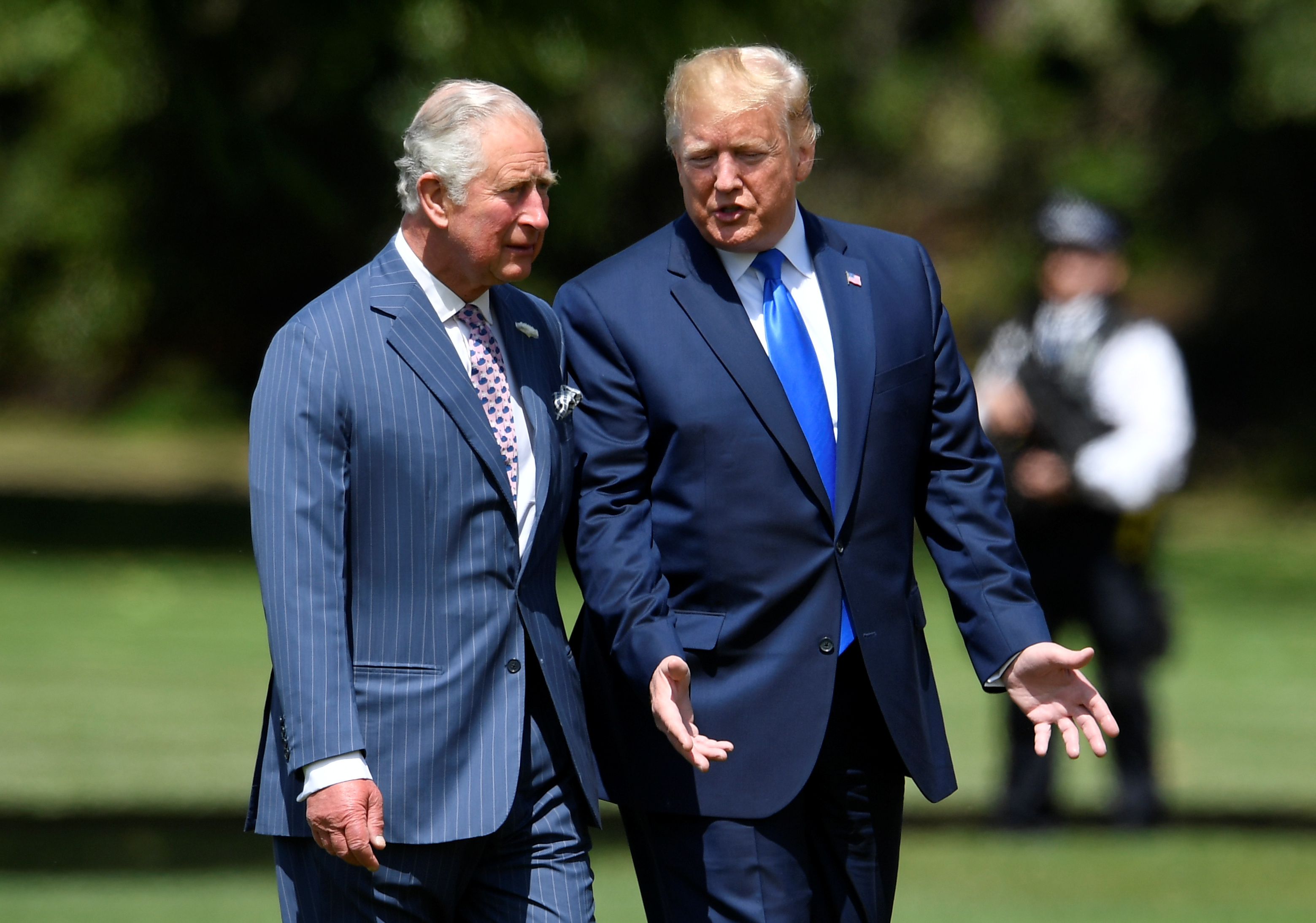
Despite the speculation surrounding potential friction, Brown also emphasized that the British royal household views the visit as strategically beneficial. According to her analysis, the palace sees the trip as an opportunity to strengthen the public image of the monarchy while subtly reframing current political complexities into a more positive narrative of international cooperation.
Brown wrote that the visit could help “blur the frayed transatlantic reality,” suggesting that the carefully staged nature of royal diplomacy often serves to smooth over political disagreements between governments. In this sense, the monarchy functions as a diplomatic bridge, allowing both nations to maintain a sense of continuity and shared identity even when official policy positions diverge.
She also argued that the visit could enhance King Charles’s standing domestically in the United Kingdom. At a time when the royal family has faced various internal challenges and public scrutiny, particularly following controversies involving Prince Andrew, a successful state visit to the United States could reinforce the perception of the King as a steady and dignified constitutional figure on the world stage.
Brown contrasted Charles with other members of the royal family, suggesting that he represents a more traditional form of leadership rooted in cultural awareness and institutional discipline. In her commentary, she implied that the King’s public demeanor—carefully controlled, ceremonial, and diplomatic—stands in contrast to more controversial figures within the monarchy whose personal conduct has at times drawn criticism.
The broader implication of her analysis is that the state visit is not only a diplomatic engagement between two countries, but also a moment of image management for the monarchy itself. Through carefully orchestrated appearances, speeches, and ceremonial events, the royal household has an opportunity to reinforce its relevance in a modern geopolitical context while projecting stability and continuity.
Still, despite the confident tone of official planning, the underlying speculation reflects the unpredictable nature of high-level diplomatic encounters, particularly when political personalities and historical symbolism intersect. The meeting between King Charles and President Trump is expected to be heavily choreographed, but observers continue to question whether the personal dynamics between the two figures could introduce moments of tension beneath the formal surface.
As the visit approaches, attention is likely to remain fixed not only on the ceremonial schedule but also on the subtle interactions between two leaders representing very different institutions: one an elected head of state known for political directness, and the other a hereditary monarch whose role depends on restraint, tradition, and diplomatic neutrality.