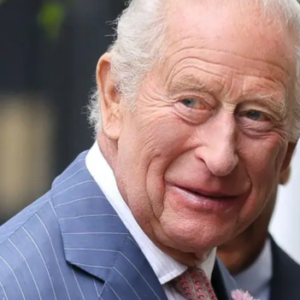
Recent royal commentary and tabloid reporting has sparked renewed speculation about internal dynamics within the British royal family, particularly regarding the evolving role of Prince William as heir to the throne while King Charles III undertakes an upcoming foreign state visit to the United States.
_updates.jpg)
According to claims attributed to a so-called senior royal source speaking to columnist Rob Shuter, there is increasing attention within royal circles on how authority and responsibility are being managed behind the scenes during periods when King Charles is abroad. The King is scheduled to travel to the United States for an official engagement linked to July 4 celebrations, a visit that has already drawn significant international interest due to its ceremonial and diplomatic importance.
The source quoted in the report describes the U.S. tour as one of the most consequential foreign engagements of Charles’s reign, emphasizing its symbolic weight and its potential implications for how the monarchy presents itself on the global stage. While the official narrative of the visit focuses on diplomacy, historical ties, and cultural exchange, the commentary suggests that the temporary absence of the monarch from the United Kingdom creates a moment in which internal royal operations may shift in subtle but meaningful ways.
According to the unnamed insider, the period during which King Charles is abroad allows senior members of the royal household to engage in more concentrated internal discussions, away from the public visibility that typically surrounds the sovereign. The source claims that during such windows, key figures within the institution convene private meetings that are described as “strategic” and “future-facing,” focusing on long-term planning rather than day-to-day ceremonial duties.
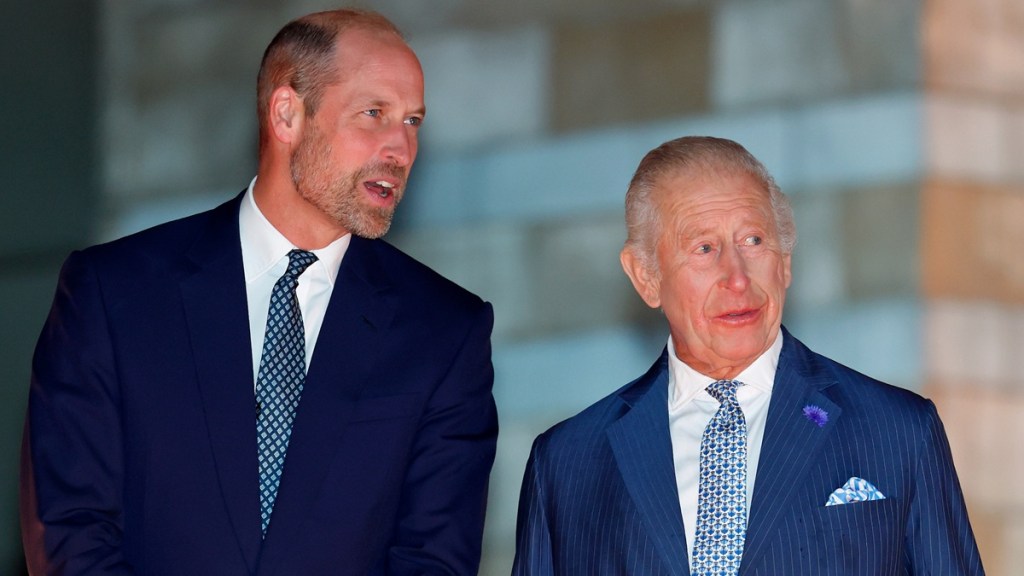
However, it is important to note that these descriptions are presented as informal commentary rather than verified fact, and Buckingham Palace has not issued any statements supporting such interpretations.
A central focus of the speculation is Prince William, the Prince of Wales and heir apparent to the British throne. The source suggests that William is increasingly taking on a more active role in shaping institutional decisions, particularly in the context of his father’s health challenges in recent times. While King Charles remains the reigning monarch and continues to perform his constitutional duties, the narrative advanced in the report portrays a gradual shift in the distribution of practical responsibilities within the royal framework.
The insider claims that since the King’s reported health diagnosis, there has been an observable acceleration in William’s involvement in royal affairs. According to this perspective, the Prince of Wales is not simply acting as a supportive figure to the King but is instead becoming more directly engaged in operational aspects of the monarchy. This includes participating in discussions that may influence future institutional direction.
The report characterizes this development as a form of gradual transition, suggesting that William is building authority incrementally through increased engagement in internal decision-making processes. Rather than waiting for a formal succession event, the narrative implies that the heir is actively preparing for leadership by becoming more embedded in the governance structure of the royal institution.
The source further claims that even experienced royal household staff have noticed a change in the internal atmosphere. According to these assertions, meetings involving Prince William are described as more focused and efficient, with quicker decision-making processes and a more hands-on approach to leadership. The commentary suggests a perception that William is increasingly comfortable in a position of influence, taking a more direct role in shaping discussions and outcomes.
Despite these claims, there is no official confirmation from Buckingham Palace or other credible institutional representatives that any formal shift in authority has taken place. Constitutionally, King Charles III remains the sovereign, and all executive and ceremonial powers associated with the monarchy continue to reside with him.
Nevertheless, the narrative presented in the report frames these internal developments as part of a broader generational transition within the royal family. It suggests that Prince William is actively preparing for his future role as king, not only through public engagements and charitable work but also through behind-the-scenes involvement in institutional planning.
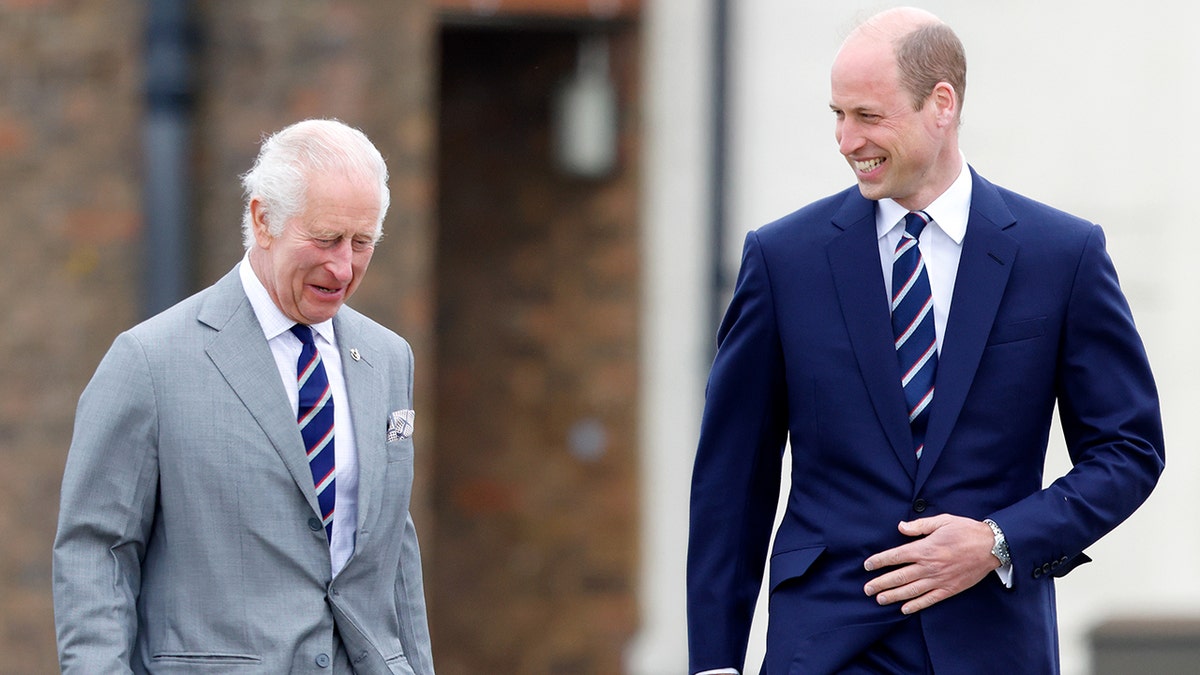
The source describes this process as an “ongoing transformation,” implying that the shift from heir to eventual monarch is not a sudden event but a gradual evolution. In this interpretation, William is portrayed as increasingly proactive in shaping the monarchy’s long-term direction, particularly in anticipation of future responsibilities.
At the same time, the report acknowledges that King Charles remains firmly in his constitutional position and continues to perform the duties of head of state. There is no indication from official sources that he is relinquishing authority or stepping back from governance. Instead, the monarchy continues to operate within its established framework, with the King at its center.
The speculative nature of the claims is underscored by the lack of specific details regarding the alleged internal discussions. The report refers generally to “key figures” and “private conversations” but does not provide verifiable information about participants, agendas, or outcomes. As a result, much of the narrative relies on interpretation rather than documented evidence.
Even so, the broader theme reflects a recurring public fascination with the question of succession and the future of the British monarchy. As King Charles’s reign continues, attention naturally turns toward Prince William and the role he will eventually assume. Observers often analyze his increasing visibility and involvement in royal duties as indicators of how the institution may evolve over time.
This dynamic is not unusual in constitutional monarchies, where heirs often take on expanded responsibilities gradually in preparation for eventual succession. However, media interpretations of these developments can sometimes amplify routine administrative adjustments into narratives of internal power shifts or strategic maneuvering.
The report concludes with a cautionary tone, noting that the claims should be treated with skepticism due to the absence of official confirmation. While the idea of behind-the-scenes strategic positioning within the royal family generates significant public interest, there is no verified evidence that any formal “power struggle” or accelerated transition is currently underway.
In reality, the British monarchy continues to function within its established constitutional framework, with King Charles III as the reigning sovereign and Prince William as his designated heir. Any changes in leadership or authority would ultimately follow formal constitutional processes rather than informal arrangements or private discussions, regardless of speculation circulating in media commentary.