Meghan Markle has found herself at the center of renewed controversy after an online advertisement promoting the outfit she wore during a sensitive visit to survivors of the Bondi Beach terror attack was quietly removed from a fashion platform. The deletion followed mounting criticism that the promotion appeared to commercialize a moment of public mourning and compassion.
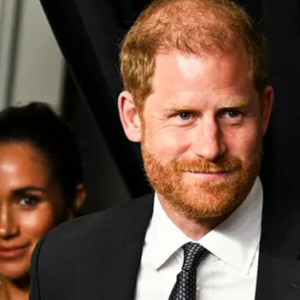
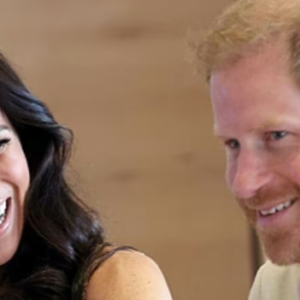
The Duchess of Sussex had traveled to Bondi Beach in Sydney alongside Prince Harry to meet individuals affected by the devastating attack, which claimed 15 lives in December. During the visit, she listened attentively to survivors’ accounts, offered comfort through embraces, and spoke with first responders, including lifeguards who had been among the earliest on the scene. Observers noted that she appeared deeply moved by the stories shared, particularly during an emotional exchange with Jessica Chapnik Kahn, who survived the attack while protecting her young daughter.
However, shortly after the visit, attention shifted away from the humanitarian nature of the engagement and toward Meghan’s clothing. Within hours, the outfit she wore to the beach appeared on a fashion website known for curating celebrity-inspired looks. The platform, in which Meghan reportedly holds an investment stake, also offers affiliated public figures a commission on sales generated through their featured items.
The ensemble in question—valued at approximately $2,000—included a blue-and-white striped shirt, white “sailor-style” jeans, designer trainers, sunglasses, and a suede handbag. The page prominently displayed images of Meghan at Bondi Beach, with clickable links allowing users to purchase each item individually. Prince Harry also appeared in some of the promotional imagery, though the emphasis remained squarely on Meghan’s attire.
Critics quickly voiced concern over the timing and context of the advertisement. Many argued that promoting fashion linked to a tragedy site visit blurred ethical boundaries, suggesting that even moments of grief and solidarity were being leveraged for financial gain. The backlash was particularly strong given the solemn nature of the visit, which was intended to honor victims and support survivors.
In response to the criticism, the original promotional page was quietly taken down. It was later replaced with a less controversial image of Meghan earlier that same day, showing her stepping out of a vehicle in the same outfit, but removed from the emotionally charged setting of the beach. Notably, Prince Harry was no longer featured in the updated version.
Despite the removal, the incident has fueled ongoing debate about the couple’s post-royal activities and their use of public visibility. Meghan is believed to earn a share of the platform’s commission structure, which ranges from 10 to 25 percent per sale. The business itself markets itself as an AI-driven fashion hub, often described as a kind of “streaming service” for style, where users can browse and purchase outfits inspired by well-known personalities.
Additional scrutiny emerged from public reactions during the visit itself. Footage circulated showing a beachgoer who, rather than moving aside for the royal couple and their entourage, remained lying on her towel as they passed. The moment was widely shared online and sparked commentary about public attitudes toward the Sussexes, with some interpreting it as a subtle sign of indifference or protest.
Public opinion data has also reflected growing skepticism. A recent poll suggested that a significant majority of people in the UK oppose the idea of the Duke and Duchess using their titles in connection with commercial ventures. Critics argue that such activities risk undermining the dignity traditionally associated with royal status, even though Harry and Meghan are no longer working members of the royal family.
Royal commentators have been particularly vocal. Some suggest that the Bondi incident represents one of the clearest examples yet of the couple blending charitable appearances with monetization strategies. The concern, they argue, is not only reputational but institutional—raising questions about how closely their actions remain tied to the monarchy in the public mind.
Still, supporters of Meghan point out that her involvement in the fashion platform also reflects her long-standing interest in style and her desire to support designers she admires. According to statements associated with the company, her investment was motivated not only by business considerations but also by an intention to elevate emerging talent within the fashion industry.
Meanwhile, throughout the Australian tour, her outfits have consistently been uploaded to the platform soon after public appearances, reinforcing the perception of a coordinated strategy linking visibility with commerce. While such practices are not uncommon among celebrities, the added dimension of royal titles continues to complicate public reception.
During the Bondi visit itself, the couple’s interactions were, by most accounts, sincere and compassionate. Prince Harry was seen engaging warmly with members of the public, even sharing a lighthearted moment with a beachgoer in colorful swimwear before turning his attention to the more serious purpose of the visit. Together, he and Meghan spent time speaking with survivors and emergency responders, acknowledging the trauma and resilience of those affected.
Jessica Chapnik Kahn later described her meeting with the couple as meaningful, emphasizing the importance of human connection in confronting hatred and violence. She noted that their willingness to engage on a personal level helped draw attention to broader issues of intolerance and division.
Even so, the controversy surrounding the outfit advertisement has overshadowed much of that goodwill. For critics, it reinforced a narrative that the Sussexes are increasingly navigating a delicate—and sometimes contentious—balance between advocacy, celebrity, and commercial enterprise.
Whether the removal of the advertisement will be enough to quiet the backlash remains uncertain. What is clear, however, is that the incident has reignited discussion about the evolving role of public figures who straddle multiple worlds—humanitarian, commercial, and symbolic—and the expectations that come with each.