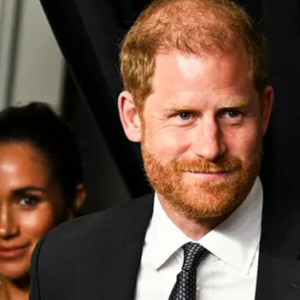
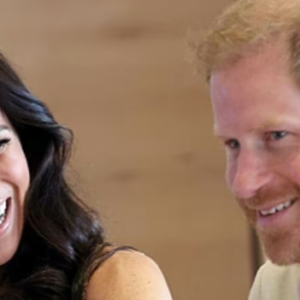
“Hollywood has shut its doors on Meghan Markle.”
It’s a dramatic phrase—one that has quickly spread across headlines and social media—but like many claims about high-profile figures, it sits in a space between speculation and reality. Still, the story surrounding Meghan Markle and a recent elite gathering in California has reignited debate about her place in the entertainment world she once called home.
According to circulating reports, the moment in question allegedly unfolded at an exclusive private event hosted by Ted Sarandos, a powerful figure in the global streaming industry through his leadership at Netflix. The gathering, said to have taken place in Montecito, was described as an intimate, invitation-only evening attended by influential names from film, television, and media.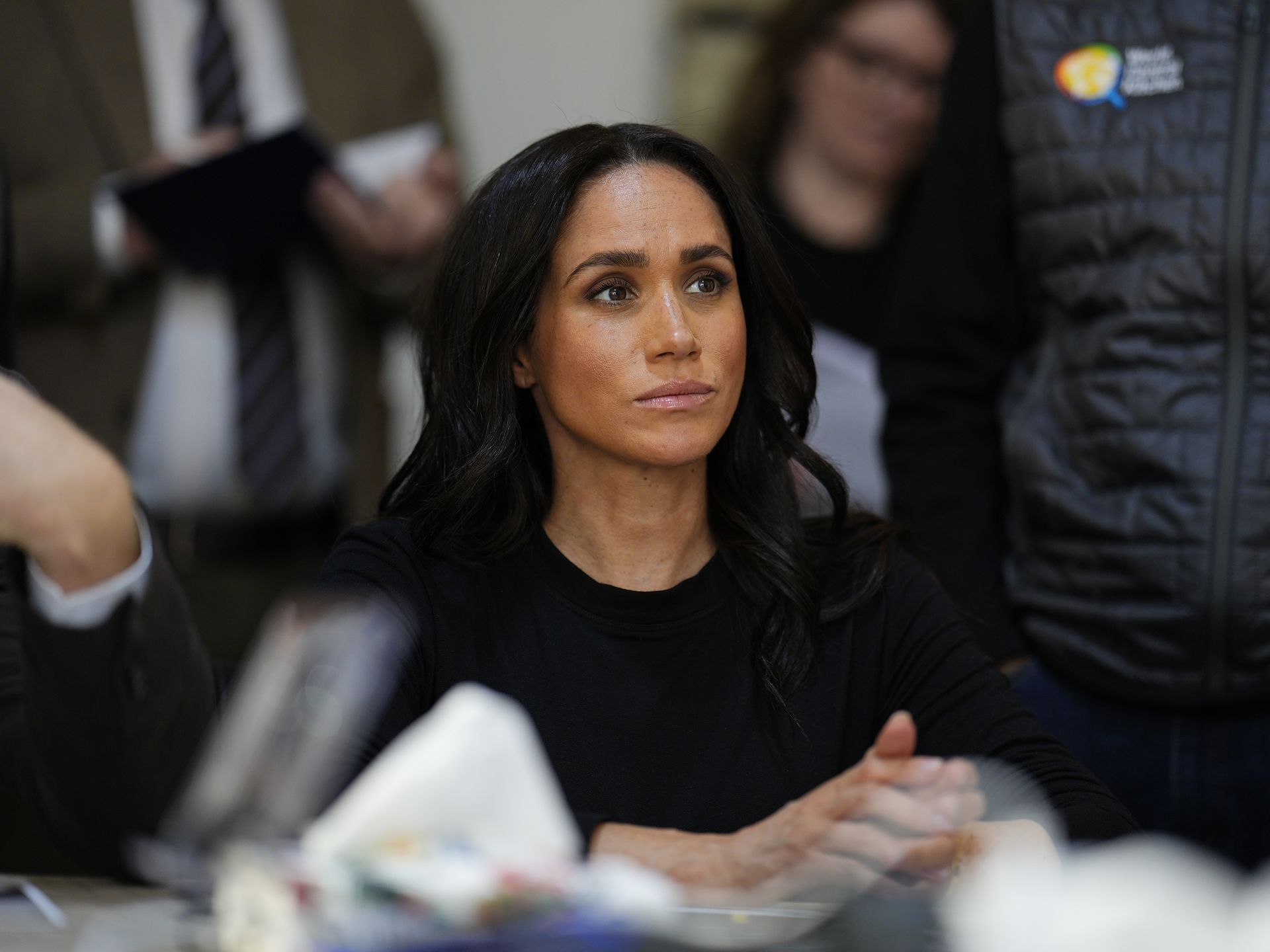
In this version of events, Meghan’s appearance was expected but ultimately became the center of controversy. Some accounts claim she was asked to leave before the evening formally began—an assertion that, if true, would mark a striking and awkward moment at a high-profile social function. However, it’s important to note that no verified official statements or widely confirmed evidence have substantiated this claim, leaving much of the narrative dependent on anonymous sources and online chatter.
What intensified the story was the alleged emergence of footage—clips that purportedly showed Meghan in a visibly emotional state. Descriptions of a “meltdown” quickly spread, amplifying the sense of drama and turning the incident into a viral talking point. Yet, as with many such moments in celebrity culture, the authenticity, context, and interpretation of these visuals remain unclear. Short video clips, especially when detached from their full context, can easily shape misleading narratives.
Adding another layer of intrigue, reports suggested that photographs from the event—images that attendees and observers had expected to see—were either delayed, removed, or never released at all. In an era where celebrity gatherings are typically documented and shared almost instantly, this absence only fueled speculation. Some interpreted it as an attempt to control the narrative; others saw it as a sign that the situation had been overstated from the beginning.
To understand why this story has resonated so strongly, it helps to consider Meghan’s broader relationship with Hollywood. Before joining the British Royal Family, she was best known for her acting role in the television series Suits. Her transition from actress to duchess brought global attention, but it also marked a pause in her entertainment career. Years later, after stepping back from royal duties with Prince Harry, she returned to the United States with ambitions that included media production and storytelling.
Through partnerships with major platforms, including Netflix, Meghan and Harry positioned themselves as content creators rather than traditional performers. Their projects have ranged from documentaries to lifestyle programming, aiming to blend personal narrative with broader cultural themes. While some of these ventures have attracted attention and viewership, they have also faced scrutiny, with critics questioning their long-term impact and consistency.
This context makes any suggestion of tension within Hollywood circles particularly significant. The entertainment industry is known for its shifting alliances and often unpredictable dynamics. Relationships with executives, producers, and fellow creatives can shape opportunities—but they can also change quickly, influenced by public perception, business priorities, and evolving audience interests.
At the same time, it’s worth approaching claims of a “closed door” with caution. Hollywood has a long history of reinvention. Public figures who face setbacks or criticism often find new ways to reestablish themselves, sometimes in entirely different roles. For Meghan, whose public identity spans acting, philanthropy, and advocacy, her career path has never followed a conventional trajectory.
The narrative of exclusion—being shut out of elite spaces—can be compelling, but it also simplifies a far more complex reality. High-profile events, particularly private gatherings, are shaped by logistics, guest lists, and shifting plans that are rarely visible to the public. Without confirmed details, it’s difficult to determine whether the reported incident reflects a genuine professional setback or simply a misinterpreted moment.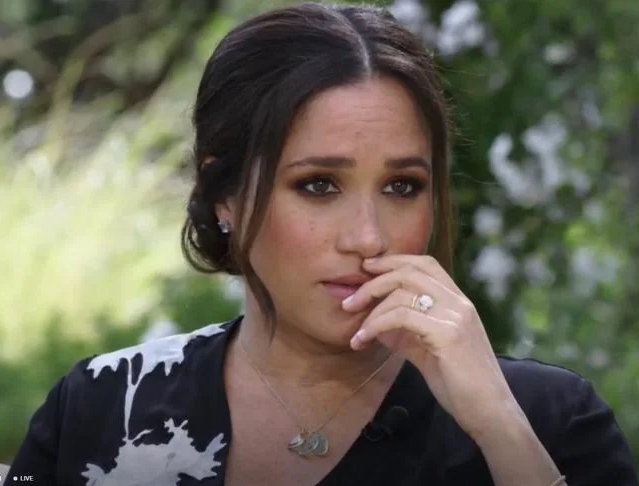
What is clear, however, is the speed at which such stories gain momentum. In today’s media environment, a single claim can quickly evolve into a widely accepted narrative, especially when it involves well-known figures. Social media, in particular, plays a powerful role in amplifying these stories, often blurring the line between verified information and speculation.
For Meghan, this means navigating not only the realities of her professional endeavors but also the constant scrutiny that accompanies them. Every appearance, partnership, or rumored interaction becomes part of a larger story—one that is shaped as much by public perception as by actual events.
The idea that “Hollywood has closed the door” suggests finality, a definitive end to opportunity. Yet history shows that such conclusions are rarely permanent. Careers in entertainment—and public life more broadly—are often defined by cycles of challenge and reinvention. What appears to be a setback in one moment can become a turning point in another.

As for the alleged incident in Montecito, it remains, for now, a story without full confirmation. The absence of clear evidence leaves room for multiple interpretations, reminding us that not every headline reflects a complete picture. Behind the dramatic language and viral claims lies a more nuanced reality—one that may never be fully visible to the public.
In the end, whether this moment represents a genuine shift in Meghan Markle’s standing within Hollywood or simply another episode in an ongoing media narrative is still uncertain. What is certain is that the fascination surrounding her story continues, driven by a mix of curiosity, speculation, and the enduring allure of celebrity life behind closed doors.