Tensions flared in the football world after Pep Guardiola delivered a sharp response to criticism from Wayne Rooney, dismissing the remarks as “stupid” following Manchester City’s emotional victory over Arsenal.
The controversy erupted after City’s dramatic 2–1 win in a high-stakes clash that many inside the club viewed as nothing short of a final. With the Premier League title race hanging in the balance, the result was crucial—anything less than a win could have effectively ended their hopes of catching Arsenal at the top. Instead, the victory reignited their campaign and injected fresh belief into the squad.
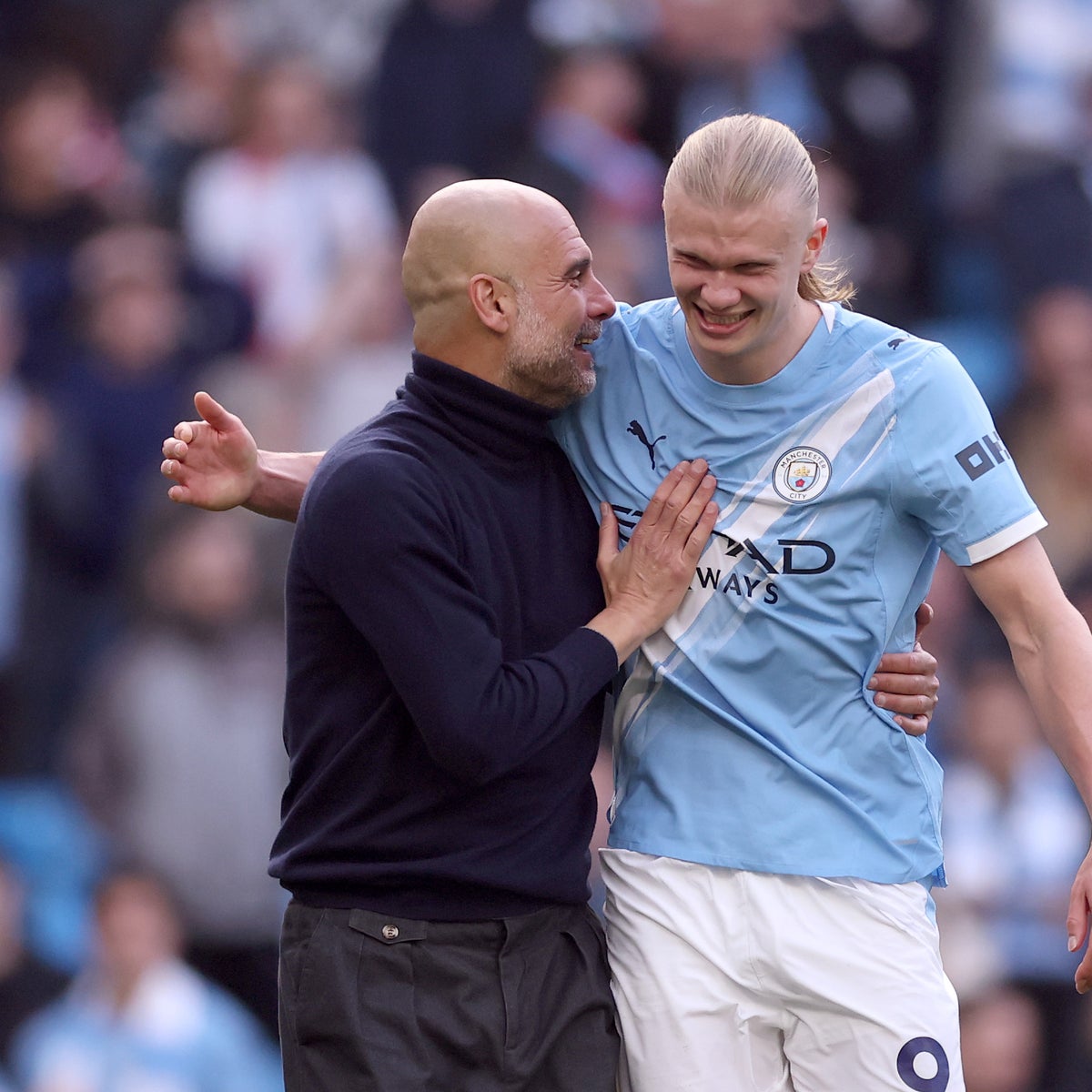
As the final whistle blew at the Etihad Stadium, the atmosphere shifted instantly from tension to jubilation. Players and fans alike erupted in celebration. Among the standout moments, goalkeeper Gianluigi Donnarumma was seen leaping toward supporters behind his goal, while fans unveiled a bold banner referencing Panic—a playful jab at the mounting pressure facing their London rivals.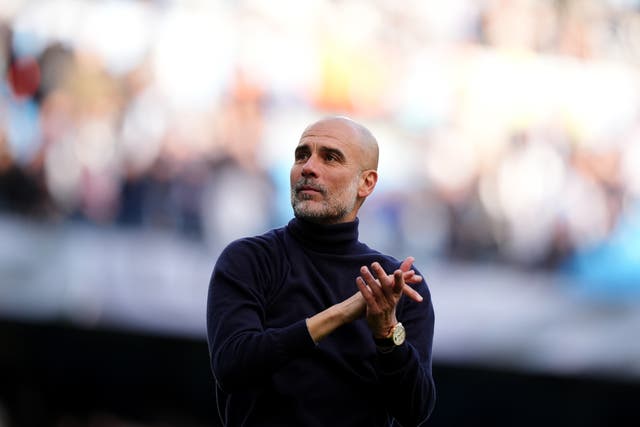
Up front, Erling Haaland, who had scored the decisive goal, became the focal point of the celebrations. Overcome with adrenaline, he removed his shirt and soaked in the roar of the crowd, acknowledging supporters during the team’s customary lap of appreciation. The moment captured the raw emotion of a squad that knew exactly what was at stake.
However, not everyone saw the scenes in a positive light. On Match of the Day, Rooney questioned whether the celebrations had gone too far. He described them as “a bit over the top,” suggesting that such exuberance might be premature given that the title had not yet been secured. He also warned that this level of celebration could potentially “come back to bite them” if results later turned against City.
Fellow pundit Danny Murphy echoed similar sentiments, noting that the reaction looked excessive—as if the team had already won the league rather than just a single, albeit significant, match.
Guardiola, never one to shy away from defending his players, responded forcefully when asked about the criticism. Clearly unimpressed, he rejected the idea that his team’s joy was misplaced.
“People can say whatever they want,” he said bluntly. “But they celebrated because they understood the importance of the moment. They knew what was at risk. If we hadn’t won, it would have been over for us in the title race.”
For Guardiola, the intensity of the celebrations was not about arrogance or assumption—it was about survival. In his eyes, the match represented a turning point, a do-or-die scenario that demanded everything from his players. Winning it kept their dreams alive, and he saw no reason why they shouldn’t embrace that.
He went on to challenge the notion that players should hold back their emotions until the end of the season. “What’s the point of waiting?” he asked. “Football is about living the moment. If you win something important, you celebrate. If you don’t, you feel disappointed. That’s part of the game.”
Guardiola emphasized that he actively encourages his squad to connect with supporters after every match, regardless of the result. For him, these shared moments between players and fans are essential—they strengthen the bond that drives the team forward.
“I tell them all the time: go to the fans, enjoy it together,” he explained. “You don’t only celebrate once at the end of the season. Every victory matters, especially in a league like this.”
He did, however, acknowledge that context is key. Not every win would warrant such an emotional reaction. A routine victory in a less critical match would naturally be treated differently. But this particular game, he insisted, was unique.
“Everyone knew what this game meant,” he said. “For us, it was like a final. Maybe for them it wasn’t, but for us it absolutely was. That’s why the reaction was what it was.”
The result has set up a thrilling conclusion to the Premier League season. With only a handful of matches remaining, the race between City and Arsenal is finely balanced. If both teams continue winning, the title could ultimately be decided by narrow margins such as goal difference, goals scored, or even head-to-head records—an area where City currently holds an advantage.
Despite the pressure, Guardiola appears remarkably calm. Drawing on his vast experience—having won multiple league titles across different countries—he insisted that he feels more relaxed now than at any other point in the season.
Interestingly, he contrasted his current mindset with that of the previous campaign. “Last season was when I felt the real pressure,” he admitted. “There were moments when I wasn’t sure if I could guide the team the way I wanted. That was difficult.”
Now, however, his perspective has shifted. Rather than being consumed by anxiety, he views the situation with a sense of confidence and satisfaction. He believes his team has already had an outstanding season, regardless of the final outcome.
“The feeling is we’ve done really, really well,” he said. “Now it’s about enjoying this stage, enjoying the competition, and giving everything in the final games.”
Inside the dressing room, he suggested, the message is simple—and doesn’t even need to be spoken aloud. The players understand what is required. There is no panic, no fear—only focus and determination.
For Guardiola, the criticism from pundits is secondary to what happens on the pitch and in the stands. Football, after all, is an emotional sport, driven as much by passion as by tactics. To suppress that emotion, he believes, would be to lose something essential.
As the season approaches its climax, one thing is certain: every match will carry immense weight, and every victory will feel significant. Whether or not City ultimately lift the trophy, Guardiola has made his stance clear—moments like these are meant to be lived, not restrained.
And if that means celebrating like it matters? In his view, that’s exactly the point.