Prince William and Prince Harry’s strained relationship continues to attract intense public and media attention, with multiple royal commentators suggesting that the divide between the brothers has become deeper and more entrenched over time. According to several experts speaking to Fox News Digital, the Prince of Wales has effectively maintained what some describe as a “wall of silence” toward the Duke of Sussex, signaling a firm and deliberate distance rather than temporary tension.
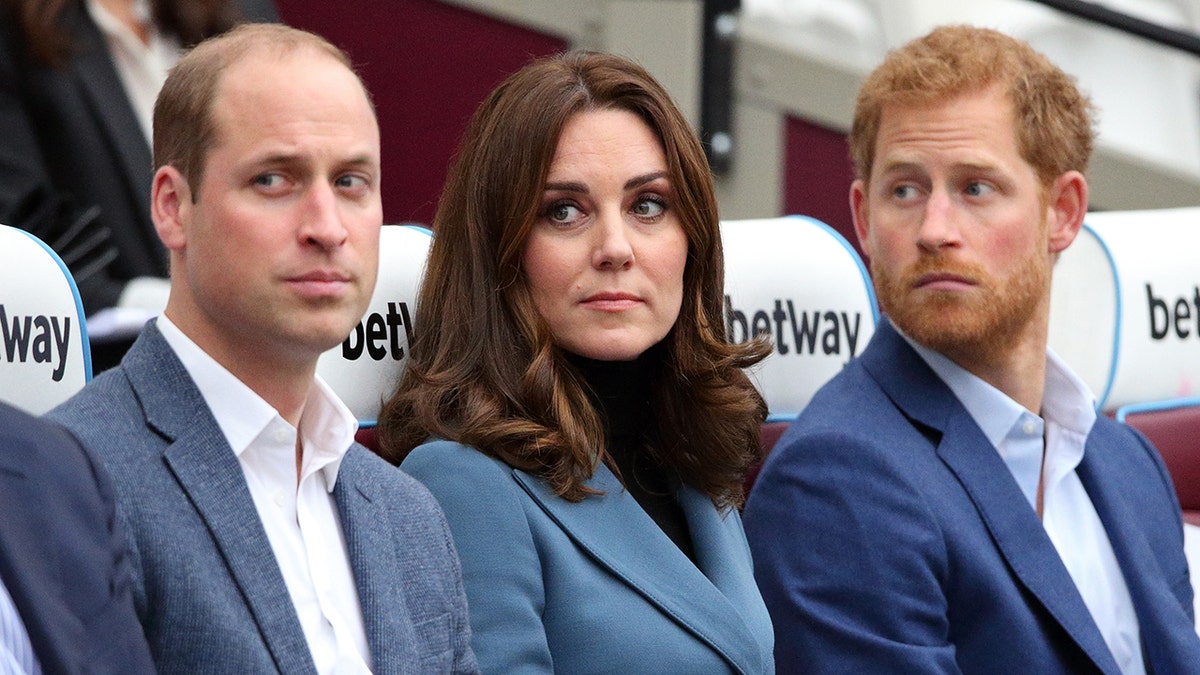
Reports cited by these commentators claim that the two brothers have not had meaningful direct contact since Queen Elizabeth II’s funeral in 2022. Since that moment of shared mourning, sources suggest communication has remained minimal or non-existent, with William reportedly maintaining a strict emotional and professional boundary. Some royal observers interpret this as a conscious strategy rather than a spontaneous fallout.
British broadcaster and photographer Helena Chard told Fox News Digital that Prince William appears focused on stability and avoiding unnecessary public conflict. She described him as someone who is “ignoring the circus” surrounding ongoing royal controversies and is “done with drama.” In her view, the situation reflects not confusion or emotional distance alone, but a structured approach to managing both family dynamics and public perception. She suggested that William’s silence should not be viewed as accidental, but rather as a deliberate form of control and containment.
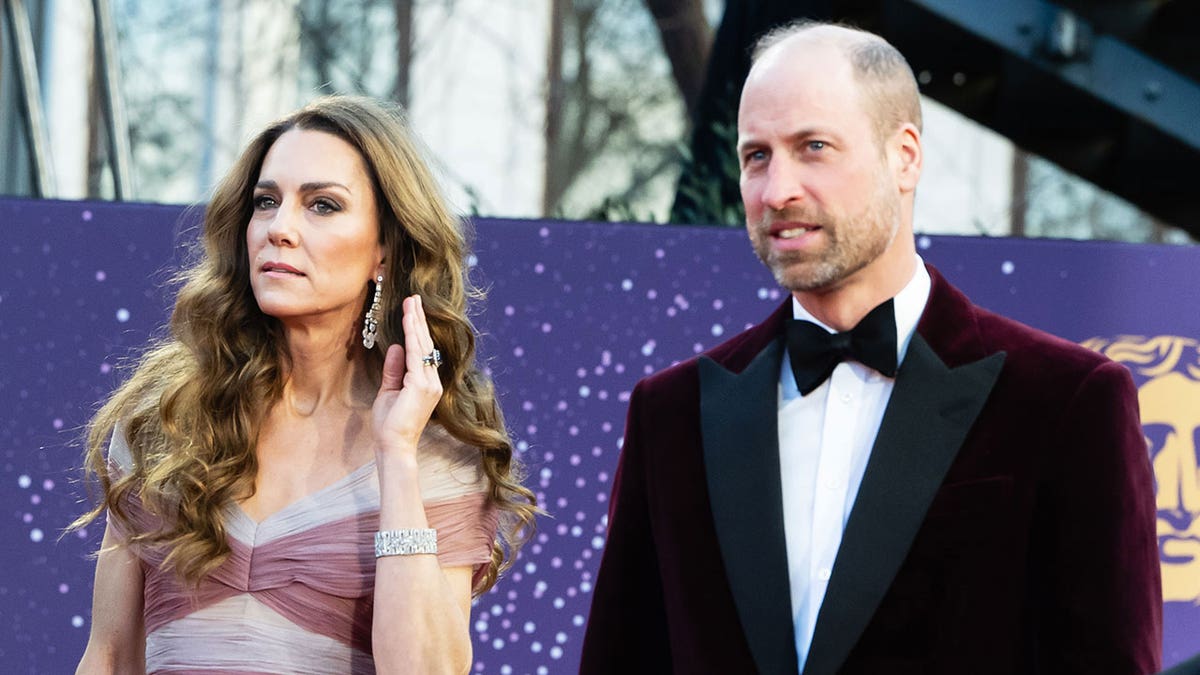
Chard went further, describing the current dynamic as a kind of “permanent royal reset,” implying that the relationship between the brothers may not return to its previous state. She argued that William’s approach is rooted in discipline and long-term thinking, particularly in relation to his future role as king. From this perspective, maintaining silence is seen as a way to protect the institution from ongoing controversy.
Royal commentator Richard Fitzwilliams also contributed to the discussion, telling Fox News Digital that William is widely perceived as placing a high value on loyalty and trust. He claimed that, in his view, the Prince of Wales considers Harry to be “untrustworthy,” reflecting a deep breakdown in confidence between the siblings. These interpretations are part of a broader narrative among some royal analysts who believe the relationship has been significantly damaged beyond easy repair.
Additional commentary from royal editor Roya Nikkhah, as cited in British media, suggests that William is known for having strong boundaries and for making firm decisions about personal allegiances. She reportedly described him as someone who “remembers” where loyalties lie and acts accordingly when trust is broken. This view aligns with the broader claim from some commentators that William has a strong sense of personal accountability when it comes to relationships within and outside the monarchy.
Some experts have also described Prince William as having a “ruthless streak,” though this characterization remains contested. According to these interpretations, he is not necessarily acting out of emotion, but rather out of a calculated effort to protect the future of the monarchy. In this framing, firmness is not presented as cruelty, but as discipline and strategic leadership.
The rift between the brothers is widely traced back to Harry’s decision to step back from royal duties in 2020 alongside Meghan Markle. At the time, the Duke and Duchess of Sussex cited intense media pressure, lack of institutional support, and a desire for greater independence as key reasons for leaving senior royal life. Their relocation to California marked a significant turning point in their relationship with the Royal Family.
Since then, tensions have been exacerbated by a series of high-profile interviews and media projects. The couple’s televised interview with Oprah Winfrey in 2021 drew global attention and included serious allegations about life within the royal household. Later, Prince Harry’s memoir Spare, published in 2023, added further strain by revealing personal accounts of disagreements and emotional conflict within the family, particularly between Harry and William.
Royal editor Russell Myers has previously suggested that the brothers’ difficulties may have deeper roots, extending back to long-standing structural roles within the monarchy. He referred to the traditional concept of “the heir and the spare,” explaining that William was raised with the clear expectation of becoming king, while Harry occupied a secondary role without the same institutional pathway. According to this interpretation, the differing expectations placed on each brother may have contributed to growing emotional and psychological distance over time.
Myers also noted that while the brothers shared a strong bond in childhood, especially following the death of their mother Princess Diana, their adult lives increasingly diverged. William’s path remained closely tied to royal duty and preparation for kingship, while Harry’s trajectory gradually shifted toward independence and eventually separation from official royal responsibilities.
The introduction of Meghan Markle into Harry’s life in 2016 is also frequently cited by commentators as a pivotal moment. Their relationship developed rapidly, and Meghan was introduced to senior royals relatively early. The couple announced their engagement in 2017 and married the following year. According to some royal sources, William reportedly expressed concern at the speed of the relationship, allegedly advising Harry to take more time before committing to marriage. This caution, however, is said to have been interpreted by Harry as skepticism or lack of support, contributing further to tension between the brothers.
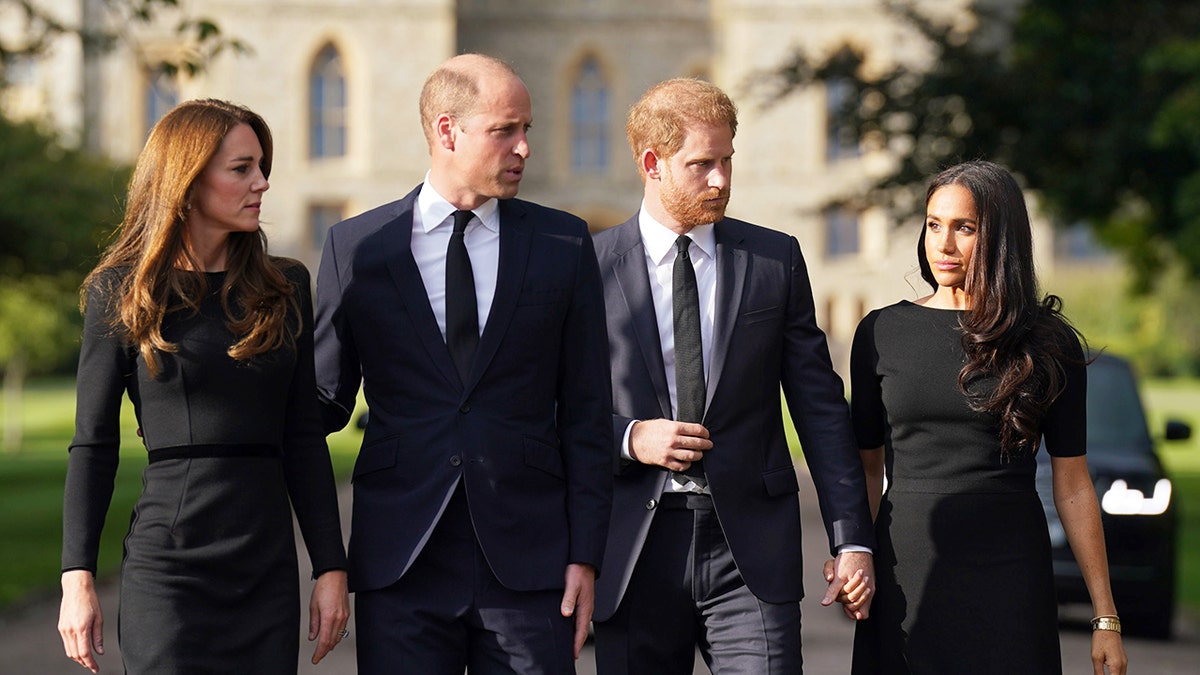
As disagreements accumulated, particularly around the Sussexes’ decision to step back from royal duties, the relationship reportedly deteriorated further. Some commentators claim that both William and Catherine, Princess of Wales, felt deeply hurt by the manner in which Harry and Meghan’s departure unfolded and by subsequent public disclosures about the royal family.
Catherine, in particular, has often been described by royal analysts as having attempted to mediate between the brothers during earlier periods of tension. She is said to have encouraged dialogue and reconciliation at various points, although these efforts are believed to have become less effective as the divide widened.
Following the Oprah interview, Buckingham Palace issued a carefully worded response on behalf of Queen Elizabeth II stating that “recollections may vary,” a phrase that quickly became symbolic of the strained relationship between the Sussexes and the institution. Some commentators have suggested that Catherine played an important role in supporting the tone and unity of that response at the time.
Despite occasional public speculation about reconciliation, several royal experts now caution that any immediate repair of the relationship appears unlikely. They argue that both William and Harry have become firmly established on separate paths, with differing priorities, responsibilities, and visions for their futures.
Helena Chard and others suggest that William’s approach reflects a broader philosophy of protecting the monarchy through clear boundaries and limited exposure to internal disputes. In this interpretation, his so-called “silence” is not absence, but a deliberate method of preserving institutional stability.
At the same time, supporters of William’s approach argue that his leadership style prioritizes duty over personal conflict, and that maintaining distance may be necessary to avoid ongoing public controversy. Critics, however, view the situation as a prolonged family breakdown with limited signs of resolution.
As things stand, the relationship between the two brothers remains one of the most closely watched dynamics within the modern royal family. While speculation about reconciliation continues to surface, most analysts agree that any meaningful reunion would require significant changes in trust, communication, and mutual understanding—conditions that, at present, appear distant.