A Victory Overshadowed by Uncertainty
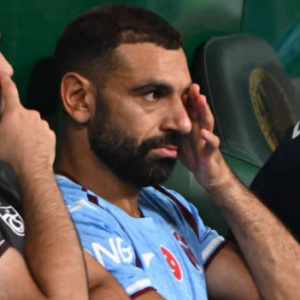
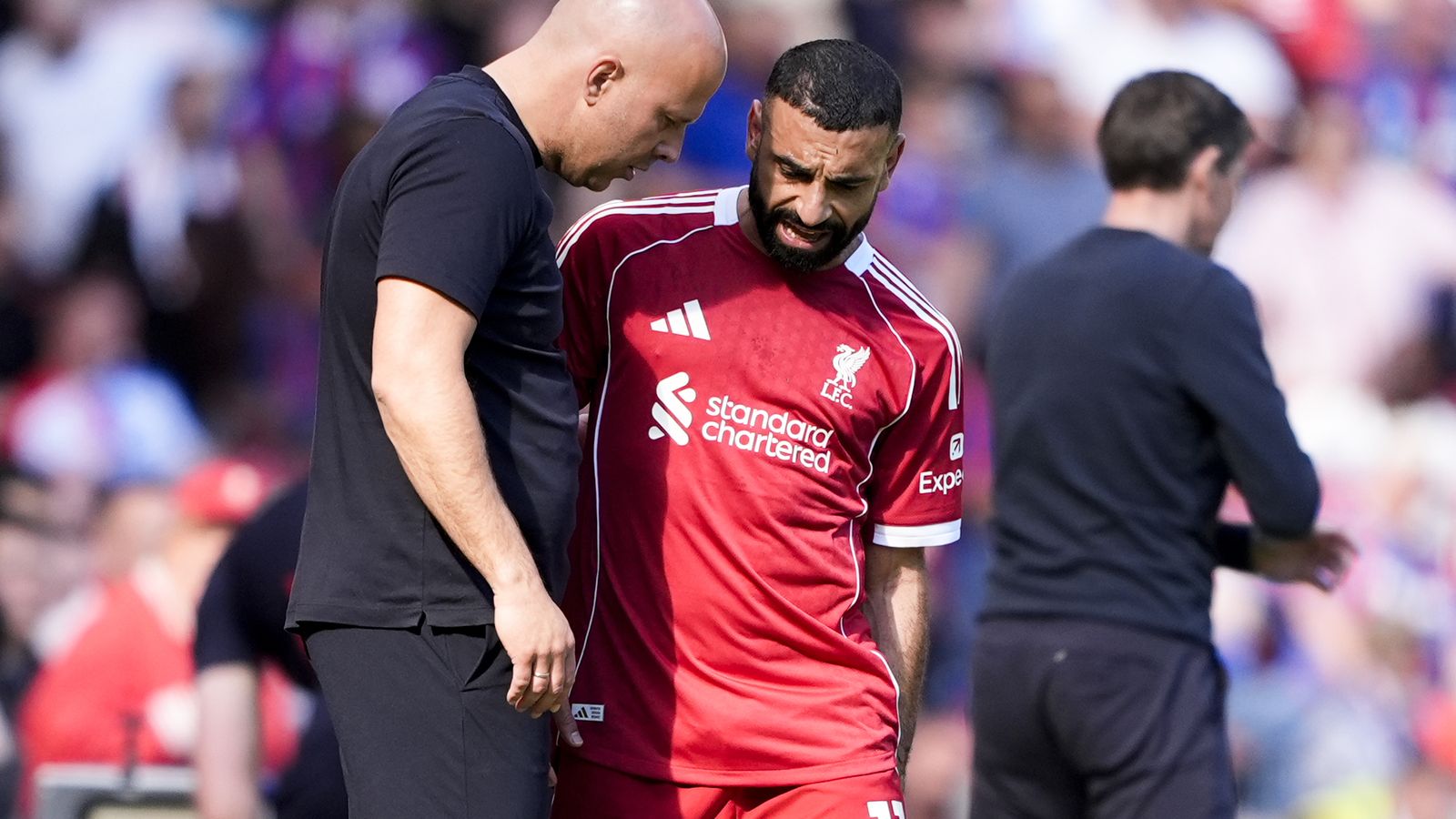
What should have been a routine and valuable victory for Liverpool quickly turned into a night of concern and unanswered questions, as Mohamed Salah limped off the pitch with a suspected hamstring injury during their 3-1 win over Crystal Palace. With only a handful of games remaining in the season, the timing of the setback could not be more troubling—not just for Liverpool’s ambitions, but for the possibility that fans may have already seen Salah’s final appearance at Anfield.
Manager Arne Slot did little to ease those fears in his post-match comments. Speaking with caution and visible concern, he admitted that the full extent of the injury remains unknown, pending further medical scans. Yet even without a confirmed diagnosis, the uncertainty alone is enough to cast doubt over whether Salah will return before the campaign concludes.
“We don’t know,” Slot said plainly. “That is the best answer I can give.” It was a statement that reflected not only the medical ambiguity but also the emotional weight of the situation, given Salah’s importance to the club and the looming end of his current chapter with Liverpool.

A Painful Exit at a Critical Moment
The incident occurred just before the hour mark, when Salah was forced to leave the field after appearing to strain his left hamstring. For a player renowned for his durability and physical conditioning, the sight of him walking off unaided—but clearly uncomfortable—was enough to raise alarm bells among teammates, staff, and supporters alike.
Slot highlighted this point, noting how rare it is for Salah to withdraw from a match due to injury. “We all know Mo and how hard it is for him to leave the pitch,” he explained. “For Mo to leave the pitch, it shows you something.” That observation carries particular weight given Salah’s track record of resilience throughout his career.
At 33, Salah has maintained an exceptional level of fitness, often avoiding the kind of muscular injuries that can sideline players in the latter stages of their careers. However, hamstring issues are notoriously unpredictable, especially when time is limited. With the season set to conclude in just four to five weeks, even a moderate injury could effectively rule him out of the remaining fixtures.
Racing Against Time
The immediate priority for Liverpool’s medical staff will be to assess the severity of the damage through detailed scans. Only then can a realistic recovery timeline be established. But even in the most optimistic scenario, the margin for return is slim.
Slot acknowledged this reality, emphasizing both hope and caution in equal measure. “There might be a chance,” he said, before quickly reiterating the uncertainty. The compressed schedule means that every missed week significantly reduces the likelihood of a comeback.
Still, the manager pointed to Salah’s professionalism as a reason for optimism. “Mo has taken such good care of his body all these years,” Slot noted, suggesting that if anyone can recover quickly, it would be him. Yet even that confidence is tempered by the unforgiving nature of the calendar.
A Season Defined by Setbacks
Salah’s injury is not an isolated incident but rather part of a broader pattern that has frustrated Liverpool throughout the campaign. Slot himself alluded to this recurring theme, describing the situation bluntly: “Another win and another injury. It’s the story of our season.”
Despite these challenges, Liverpool have remained competitive, with the victory over Crystal Palace strengthening their push for Champions League qualification. However, the cost of that progress continues to mount, as key players are forced to deal with physical setbacks at crucial moments.

The potential loss of Salah—arguably the team’s most influential attacking player—would represent a significant blow, both tactically and emotionally. His presence on the pitch not only contributes goals and assists but also shapes the way opponents approach the game.
Controversy Adds to the Drama
As if the injury concern were not enough, the match itself was marked by a controversial moment that sparked heated reactions from both players and fans. With Liverpool leading 2-0, Palace pulled a goal back under contentious circumstances involving goalkeeper Freddie Woodman.
Woodman suffered a knee injury following a collision with Ismaila Sarr, leaving him temporarily unable to defend his goal. In the ensuing chaos, Daniel Munoz capitalized on the situation, calmly lifting the ball into an unguarded net.
The decision by referee Andy Madley to allow play to continue provoked immediate protests from Liverpool players, including captain Virgil van Dijk, as well as from the crowd. Many expected the game to be stopped due to the goalkeeper’s apparent injury.
However, the rules differentiate between types of injuries. While head injuries require immediate stoppage, other injuries are subject to the referee’s discretion. In this case, Woodman was later deemed fit to continue, a detail that ultimately supported the referee’s decision.
A Divided Reaction
Slot did not hide his frustration, though he directed much of his criticism toward the broader interpretation of such situations rather than the player who scored. “Some players would stop and some would score,” he said, acknowledging the split-second nature of the decision facing Munoz.

Instead, Slot focused on the role of the referee, suggesting that clearer intervention might prevent similar controversies in the future. He also warned of a potential unintended consequence: if players believe that going down will automatically stop play, it could lead to tactical exploitation.
On the other side, Oliver Glasner, manager of Crystal Palace, defended the decision. He described the incident as a difficult, fast-moving situation in which the referee made a reasonable call based on what he saw in real time.
Glasner pointed out that Woodman was able to continue playing, reinforcing the argument that stopping the match might not have been necessary. “When you watch it on TV, it’s on the edge,” he admitted, highlighting the fine margins involved in such decisions.
A Moment That Could Define the Season
As the dust settles, the focus inevitably returns to Salah and what his injury could mean for Liverpool’s final stretch. With Champions League qualification still at stake and only a handful of matches remaining, every player matters—but few carry the same weight as Salah.
There is also a deeper narrative at play. With his future at the club already a topic of discussion, the possibility that his Liverpool career could end not with a farewell performance but with an untimely injury adds a layer of poignancy to the situation.
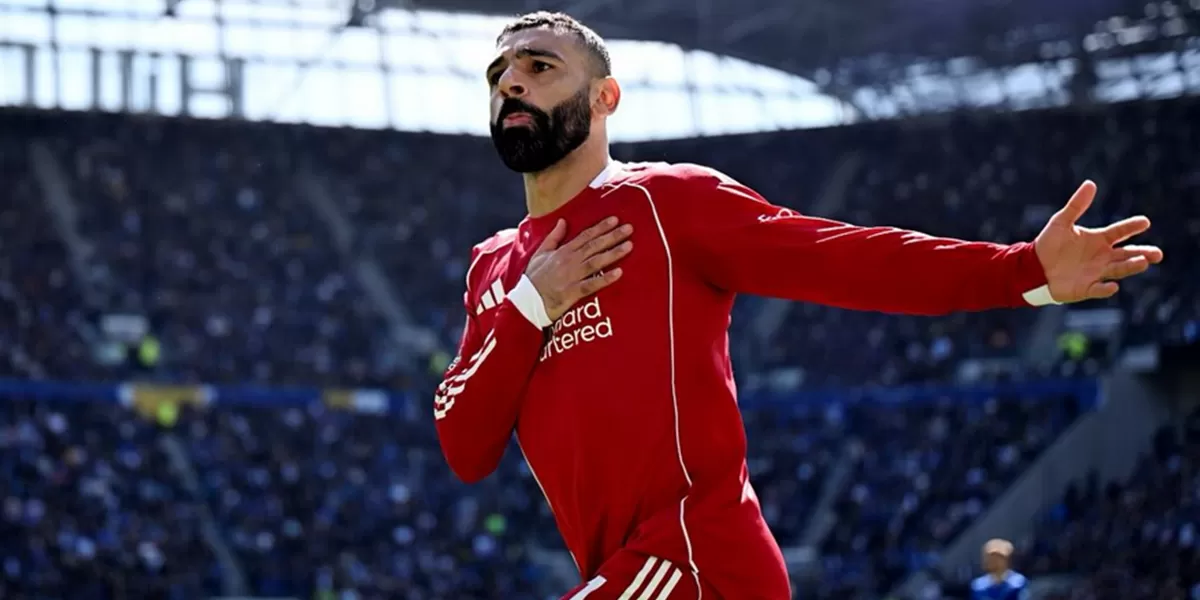
For now, everything depends on the results of the upcoming scans. Until then, uncertainty lingers—over his fitness, his availability, and perhaps even the closing chapter of his time at Anfield.
In a season filled with highs and setbacks, this latest twist may prove to be one of the most significant yet.