Christian Eriksen will have more than a casual interest when Manchester United face Brentford in the Premier League, as the midfielder reflects on a turbulent chapter that involved both clubs—and a managerial spell that ended in controversy. Having represented each side during different phases of his career, Eriksen now watches from afar, with the added perspective of someone who experienced firsthand the rise and fall of former United boss Ruben Amorim.
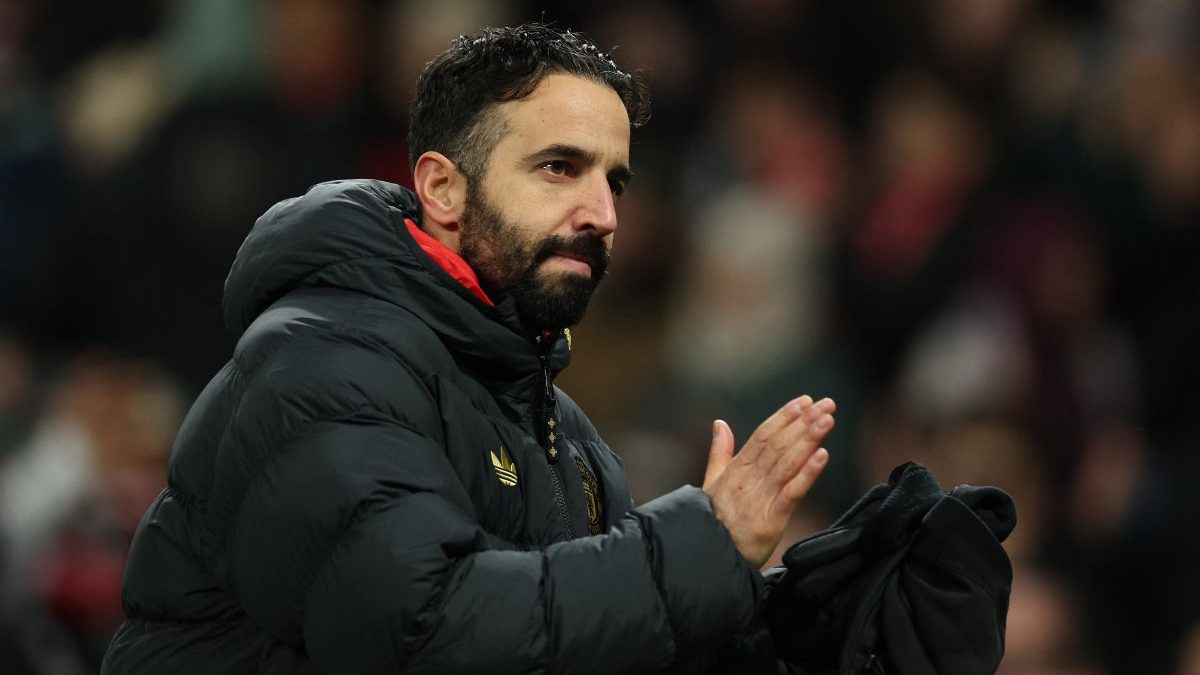
Eriksen’s time at United came to an end last summer, but the memories of that period remain fresh—particularly the final weeks under Amorim. The Portuguese coach arrived with a clear vision and strong ideas about how he wanted the team to play. From the beginning, he attempted to reshape the squad’s identity, introducing tactical changes and demanding that players adapt quickly to his system. While some welcomed the clarity, others found the transition difficult, especially given the club’s long-standing traditions and expectations.
In interviews since his departure, Eriksen has not held back in describing how certain moments during that period affected the dressing room. One of the most controversial incidents came when Amorim publicly criticized his squad, reportedly labeling them in extremely harsh terms. For Eriksen, the issue was not just the criticism itself, but the fact that it was delivered openly rather than kept behind closed doors.
He explained that while honest conversations are a normal part of football, there is a line between constructive criticism and public statements that can add pressure. According to Eriksen, comments made internally can motivate players, but when those same sentiments are shared publicly, they risk creating distractions and negative headlines. At a time when the team was already struggling, such remarks only intensified scrutiny.
Inside the dressing room, the reaction was mixed. Some players reportedly tried to use the criticism as motivation, others felt it undermined confidence. Eriksen suggested that the atmosphere became tense, with a growing sense that every mistake would be magnified both internally and externally. For a squad already navigating inconsistent form, this added layer of pressure made it harder to regain momentum.
Behind the scenes, there were also signs that Amorim himself was feeling the weight of the situation. Sources close to the club later revealed that in the days leading up to his departure, the manager appeared increasingly frustrated. Training sessions became more intense, with a sharper focus on discipline and tactical detail. While his commitment to improving the team was clear, there were moments when his determination seemed to turn into visible stress.
Some players noticed subtle changes in his demeanor. Where he had initially been energetic and optimistic, he began to show signs of fatigue and चिंता. Conversations that once felt collaborative became more directive, as he pushed harder to implement his ideas. Staff members reportedly observed that he spent longer hours reviewing matches and analyzing performances, searching for solutions to the team’s struggles.
Despite these efforts, results on the pitch did not improve quickly enough. The gap between his tactical vision and the players’ familiarity with the system proved difficult to bridge in a short time. Eriksen acknowledged that adapting to a new style requires patience, especially at a club with such a deeply ingrained footballing identity. However, in a results-driven environment like Manchester United, time is often a luxury managers cannot afford.
Just days before his exit, the situation reached a tipping point. Media attention intensified, speculation about his future grew louder, and the pressure surrounding the club became almost constant. Eriksen later reflected that during this period, there was a sense among players that events were moving toward an inevitable conclusion. While no one could predict the exact timing, the uncertainty was impossible to ignore.
When Amorim eventually left in early January, the club turned to Michael Carrick as a temporary solution. The change brought an immediate shift in atmosphere. Carrick, familiar with the club’s culture and expectations, adopted a more measured approach. Training sessions reportedly became calmer, with a focus on rebuilding confidence and simplifying tactical instructions.
The impact was quickly visible on the pitch. United began to string together positive results, winning eight of their next 12 matches and climbing up the league table. The improved form not only boosted morale but also strengthened their chances of securing a top-four finish and qualification for European competition. For many players, the change in environment made a significant difference.
Eriksen, now playing for VfL Wolfsburg, has continued to follow United’s progress closely. Since joining the Bundesliga side, he has become an important figure in the squad, even taking on leadership responsibilities at times. His own journey—marked by resilience after a serious health scare earlier in his career—has given him a unique perspective on challenges both on and off the pitch.
Looking back, Eriksen has been careful to present a balanced view of Amorim’s tenure. While he has criticized certain decisions, he also acknowledged the manager’s honesty and commitment. According to Eriksen, Amorim was always direct in his communication, making it clear what he expected from each player. That transparency, he noted, can be valuable—even if it occasionally leads to difficult moments.
At the same time, Eriksen emphasized that managing a club like Manchester United requires more than just tactical knowledge. It involves understanding the club’s history, handling media pressure, and maintaining the delicate balance within a diverse squad. In his view, the challenges Amorim faced were not solely about football, but also about adapting to one of the most demanding environments in the sport.

As United prepare to face Brentford, the match serves as a reminder of Eriksen’s own journey—from his short but impactful spell with Brentford, where he rebuilt his career, to his time at Old Trafford, where he experienced both and turbulence. Watching the two teams meet, he is likely to reflect on how quickly circumstances can change in football.
Ultimately, the story of Amorim’s tenure—and Eriksen’s perspective on it—highlights the fine margins that define success and failure at the highest level. A few results, a few decisions, or even a few words can shift the course of a season. For players and managers alike, navigating those moments requires not only skill, but also timing, communication, and an understanding of the broader context in which they operate.
In sharing his thoughts, Eriksen has offered more than just criticism—he has provided insight into the complexities of life inside a top football club, where pressure is constant and every detail matters.
)