The tragic deaths of Diogo Jota and his younger brother Andre Silva continue to resonate across the football world, even as new findings bring a degree of legal clarity to Nearly a year after the devastating crash that claimed their lives, a Spanish court has concluded its investigation, determining that no criminal liability can be assigned in connection with the .
The ruling, issued by judicial authorities in the Castilla y León region of Spain, follows months of detailed examination into the circumstances surrounding the crash. The brothers were traveling along the A-52 motorway in the early hours of July 3, 2025, when their vehicle—a high-performance sports car—lost control. According to official findings, the most likely cause was a sudden tyre blowout that occurred while overtaking another vehicle, a scenario that left little room for recovery at high speed.
Investigators reconstructed the sequence of events using forensic analysis, дорожные reports, and expert testimony from the Civil Guard’s traffic division. Their conclusion paints a picture of a that, while catastrophic, was not the result of negligence, external interference, or criminal wrongdoing. After the tyre failure, the car veered off its path, collided with a barrier, and was engulfed in flames within moments. Emergency responders arrived quickly, but the of the fire made rescue impossible.
The decision to close the case without pursuing criminal charges was confirmed by the regional High Court, formally known as the Tribunal Superior de Justicia de Castilla y Leon. In a statement, judicial sources explained that the available evidence—including technical reports and scene analysis—did not support grounds for prosecution. However, they also noted that the ruling does not prevent the families or other affected parties from seeking civil action if they choose to do so.
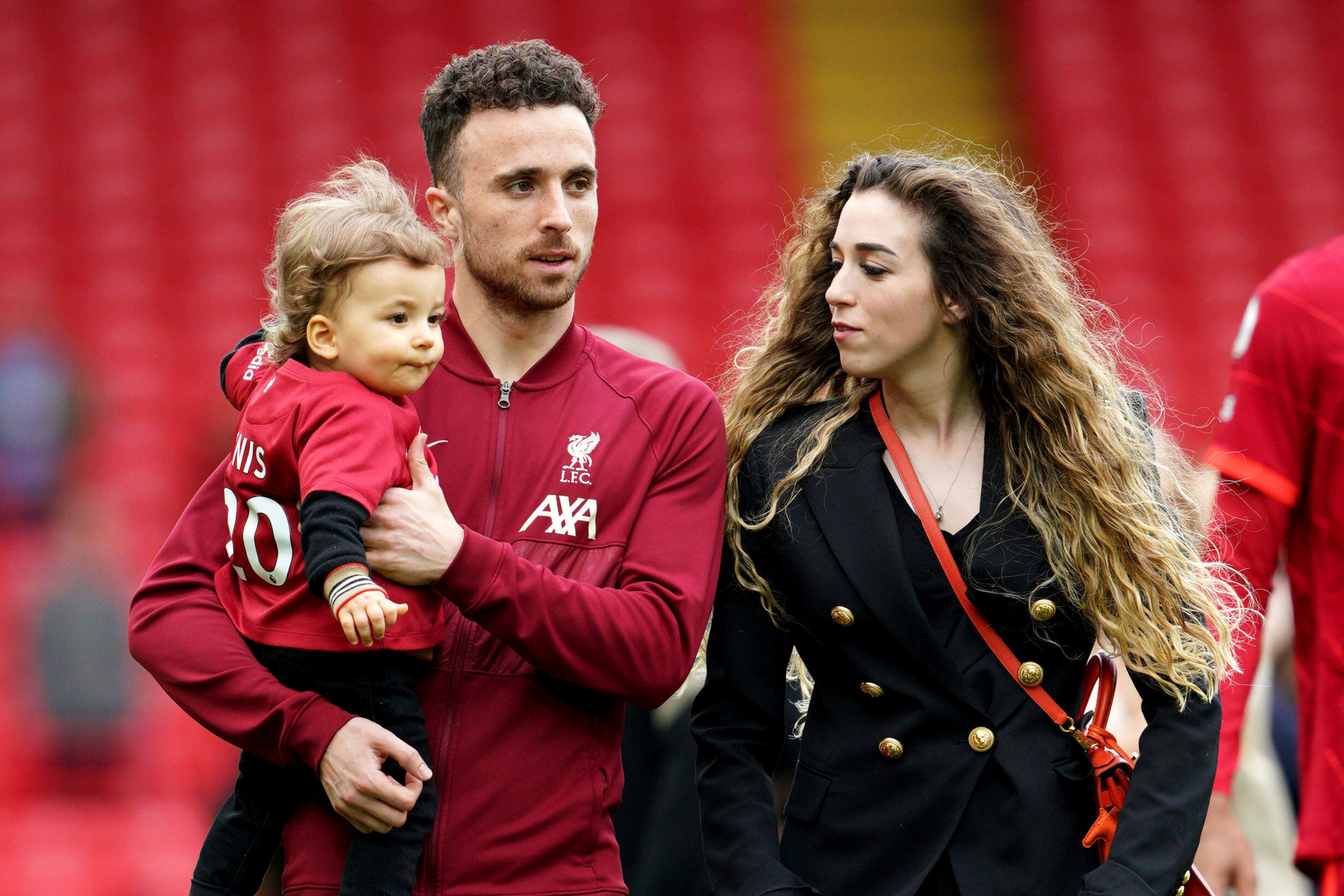
For many, the conclusion offers a measure of closure, though it does little to ease the emotional weight of the loss. Jota, who had recently celebrated a highly successful season with Liverpool FC, was at the peak of his career. At just 28 years old, he had played a key role in securing the Premier League title and had also contributed to Portugal’s success in the UEFA Nations League. Known for his sharp instincts, versatility, and relentless work ethic, he had become a figure among fans and teammates alike.
His brother Andre, 25, was also carving out his own path in professional football. Playing as a midfielder for FC Penafiel, he had previously developed through the youth system at FC Porto. While not as globally recognized as his older brother, Andre was respected within his league and seen as a player with growing potential.
The journey that ended in tragedy was itself shaped by that now carry a poignant weight. Jota had been advised not to travel by air following a minor medical procedure, leading him to make the journey by car instead. What might have seemed like a routine became, in retrospect, a heartbreaking twist of fate.
In the days following the crash, the football community responded with an outpouring of grief that transcended клуб rivalries and national boundaries. Tributes poured in from players, coaches, and supporters around the world, many highlighting not only Jota’s achievements on the pitch but also his character off it. Moments of silence were observed at matches, and messages of condolence filled stadium screens and social media platforms alike.
The brothers’ funeral, held in their hometown of Gondomar, became a deeply emotional gathering. Family members, friends, and figures from across the sport came together to pay their respects. Among those was Liverpool’s manager, Arne Slot, along with current and former teammates who had shared in Jota’s journey. The served as both a farewell and a celebration of lives that, though tragically short, had left a lasting impact.
As more details about the crash have emerged over time, attention has gradually shifted from uncertainty to reflection. The absence of criminal liability underscores the role that chance and mechanical failure can play in even the most carefully navigated situations. For investigators, the case highlights the importance of thorough analysis in distinguishing between avoidable and unavoidable events. For the public, it reinforces the fragile nature of life, even for those who seem to exist at the pinnacle of success.
There has also been discussion about road safety and vehicle performance, particularly in relation to high-speed travel and tyre integrity. While no systemic fault was identified in this case, the incident has prompted renewed awareness of how quickly conditions can change on the road. Experts note that even experienced drivers can be powerless in the face of sudden mechanical failure, especially at motorway speeds.
For Jota’s family, including his widow and loved ones, the legal outcome represents only one part of a much larger process of grieving and remembrance. Reports have indicated that they continue to honor his legacy through both private reflection and public tributes, ensuring that his contributions to football and his role as a husband, brother, and friend are not forgotten.
In the broader narrative of the sport, the loss of Jota and Andre remains a moment that united fans in shared sorrow. It is a reminder that behind every headline and highlight reel are real lives, with stories that extend far beyond the pitch. As time passes, their memory endures—not only in statistics and achievements, but in the they had on those who knew them and those who admired them from afar.
The court’s ruling may mark the of the legal investigation, but it does not close the emotional chapter. Instead, it provides a clearer understanding of what happened, allowing space for remembrance without the lingering question of blame. In that sense, it offers a quiet, solemn resolution to a tragedy that will continue to be felt for years to come.