A Sudden Health Scare Before a Big Match
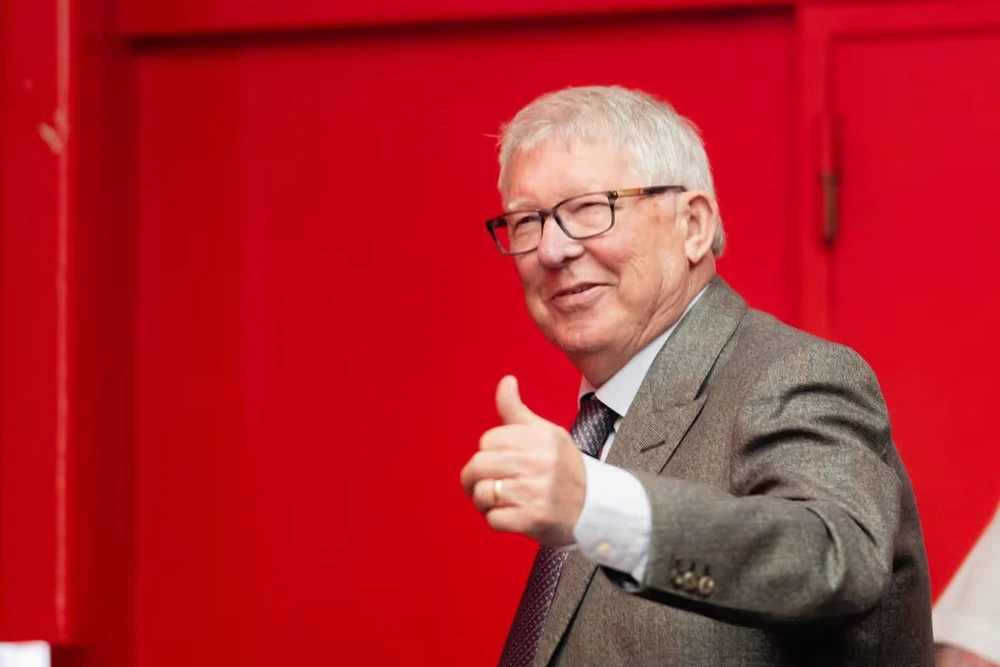
Concern spread quickly at Old Trafford after Sir Alex Ferguson was taken to hospital shortly before kickoff of the highly anticipated clash between Manchester United and Liverpool. The 84-year-old, widely regarded as the most successful manager in the club’s history, reportedly felt unwell while at the stadium.
According to early information, the decision to take Ferguson into medical care was made as a precaution rather than in response to a confirmed serious condition. Those close to the situation indicated that there was no immediate cause for alarm, and expectations were that he would recover and return home soon.
Still, given Ferguson’s iconic status and his past health challenges, the news naturally prompted widespread concern among fans and the football community.

A Familiar Presence at Old Trafford
Even years after stepping down as manager in 2013, Ferguson remains a constant presence at Manchester United matches. Whether home or away, he is frequently seen in the directors’ box, watching closely as the club he transformed continues its journey.
His attendance at the match against Liverpool was no surprise. Few fixtures carry as much historical weight and emotional intensity as this rivalry, and Ferguson has long been synonymous with United’s dominance in such encounters.
That he had arrived at Old Trafford in anticipation of the match—only to be taken to hospital more than an hour before kickoff—added a layer of poignancy to the occasion.
A Victory Overshadowed by Concern
On the pitch, Manchester United delivered a dramatic 3-2 victory over Liverpool, securing a crucial result in their push for Champions League qualification. It was the kind of high-stakes, high-drama performance that Ferguson himself would have appreciated during his managerial reign.
Yet for many supporters, the result was secondary to the concern surrounding Ferguson’s health. The match became intertwined with the news of his hospitalization, creating a moment where football and personal well-being intersected.

It is a reminder that, for all the passion and intensity of the sport, the individuals who shape its history remain at its heart.
A Legacy Defined by Resilience
Ferguson’s life and career have long been defined by resilience, a quality that extends beyond football. In 2018, he faced one of the most serious challenges of his life when he suffered a brain haemorrhage that required emergency surgery.
At the time, the prognosis was uncertain. Doctors reportedly gave him only a 20 percent chance of survival. Yet, in a manner consistent with his reputation, Ferguson defied the odds and made a remarkable recovery.
Reflecting on that experience in later years, he acknowledged the gravity of the situation, noting how close he had come to a different outcome. The episode became a testament not only to medical intervention but also to his determination and strength.
Importantly, there is no indication that the current incident is related to that earlier health scare, but the memory of 2018 inevitably shapes how such news is received.
Personal Loss and Life Beyond Football
In recent years, Ferguson has also faced profound personal loss. In 2023, his wife, Cathy, passed away at the age of 84 after more than five decades of marriage. Their relationship had been a cornerstone of his life, providing stability and support throughout his career.
Her passing marked a deeply emotional chapter, one that underscored the human side of a figure often defined by his professional achievements. For Ferguson, as for many, life beyond football has brought its own challenges and moments of reflection.
Despite these experiences, he has remained connected to the game, continuing to attend matches and maintain his presence within the club.
A Changing Role at Manchester United
Ferguson’s relationship with Manchester United has evolved over time. While he remains a revered figure, his official role with the club has undergone changes. In 2024, as part of broader cost-cutting measures, minority owner Jim Ratcliffe made the decision to end Ferguson’s paid ambassadorial position.
The move was part of a wider effort to address financial concerns within the club, reflecting a shift in priorities under new leadership. Ratcliffe later described a direct and respectful conversation with Ferguson, emphasizing that the decision was made with the club’s long-term stability in mind.
Ferguson, for his part, ultimately accepted the change, reportedly prioritizing the needs of the club over personal considerations. The episode highlighted both the realities of modern football management and the enduring respect between Ferguson and the institution he helped shape.

The Enduring Influence of a Legend
Few figures in football history have left a legacy as significant as Ferguson’s. During his time at Manchester United, he led the club to 13 Premier League titles, along with numerous domestic and international trophies. His tenure transformed the team into a dominant force, setting standards that continue to influence the club today.
Beyond the trophies, his impact is evident in the culture he established—a blend of discipline, ambition, and belief that defined an era. For many fans, Ferguson is not just a former manager; he is a symbol of what Manchester United represents.
His continued presence at matches serves as a link between past and present, a reminder of the club’s history and the foundations upon which it stands.
The Human Side of Football Icons
Moments like this serve to humanize figures who are often seen only through the lens of their achievements. Behind the titles and accolades is an individual who, like anyone else, faces health concerns and the uncertainties that come with age.
For supporters, the reaction to Ferguson’s hospitalization reflects a deep sense of connection. It is not just about concern for a public figure, but about care for someone who has played a significant role in their lives as fans.
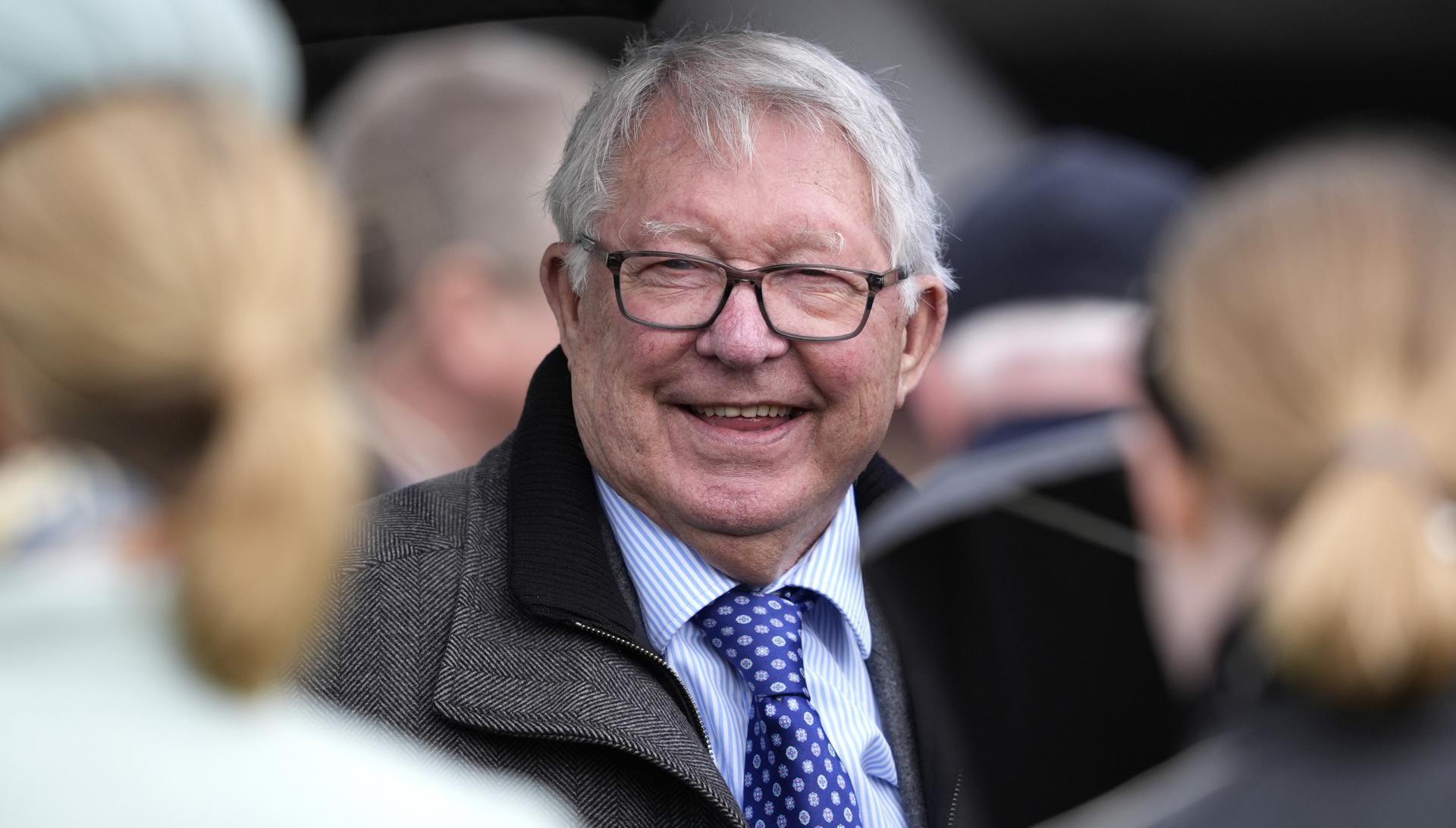
This emotional bond is one of the unique aspects of football, where the relationship between clubs, players, managers, and supporters extends beyond the game itself.
Looking Ahead
As updates continue to emerge, the focus remains on Ferguson’s recovery. Early indications suggest that the situation was handled as a precaution, offering reassurance to those concerned about his well-being.
For now, the hope is that he will soon return to familiar surroundings, perhaps even back to Old Trafford, where he remains a cherished presence.
A Moment of Reflection
The events surrounding Ferguson’s brief hospitalization offer a moment to reflect on both his legacy and the broader nature of football. While matches, results, and rivalries capture attention, it is the people behind the game who give it meaning.
For Sir Alex Ferguson, that meaning is evident in the respect and concern shown by fans, players, and the wider football community. It is a testament to a career—and a life—that has left an enduring impact.
And as Manchester United continues to move forward, the presence of Ferguson, both past and present, remains an integral part of its story.