The BBC’s decision over who will replace Gary Lineker as the face of its World Cup final coverage has finally been made — and while the broadcaster is presenting the move as the beginning of a new era, the outcome has already sparked intense discussion behind the scenes. After months of speculation surrounding who would inherit one of the biggest jobs in British sports television, it has now emerged that Gabby Logan will lead the BBC’s coverage of the 2026 World Cup final, beating both Mark Chapman and Alex Scott to the historic role.
The announcement marks a major turning point for the BBC following Gary Lineker’s dramatic departure from the broadcaster after years as the corporation’s most recognizable football presenter.
For Logan, the appointment represents a career-defining achievement.
At 53 years old, she is now set to become the first woman in BBC history to anchor live coverage of a FIFA World Cup final — a landmark moment not only for her personally, but for the broader evolution of sports broadcasting in Britain.
According to reports, Logan will also front the BBC’s opening World Cup broadcast as well as England’s high-profile group-stage match against Ghana. Internally, BBC executives reportedly view her as the safest and most experienced figure to lead coverage through what is expected to be one of the broadcaster’s most scrutinized football tournaments in years.
But while the official announcement emphasized stability and experience, the decision has also quietly reshaped the futures of both Alex Scott and Mark Chapman.
Sources close to the situation claim both presenters had been seriously considered for the role before the BBC ultimately settled on Logan as its leading figure for the tournament.
For Alex Scott especially, the news arrives during a period of enormous professional transition.
Fresh from the emotional ending of Football Focus after the BBC cancelled the iconic programme following 52 years on air, Scott had already become one of the most discussed figures inside the corporation’s sports division. Many insiders believed the former Arsenal defender was positioning herself to become one of the BBC’s central football personalities for the next decade.
Instead, she now finds herself once again waiting for a future opportunity.
According to reports, BBC executives have attempted to reassure both Scott and Chapman that they remain integral parts of the broadcaster’s long-term plans. Senior figures are said to have privately promised that equivalent major presenting opportunities will arrive in future tournaments and flagship sporting events.
Publicly, all three presenters are understood to be supportive of the final decision.
Privately, however, insiders suggest the situation may have carried more emotional complexity than the BBC is willing to admit openly.
The competition to replace Gary Lineker was never simply about football presentation. It represented a battle to define the future identity of BBC Sport after the departure of one of its most iconic figures.
For more than two decades, Lineker had become almost inseparable from the BBC’s football coverage. His calm authority, humor, and familiarity made him the face of Match of the Day, World Cups, European Championships, and countless historic football moments.
Replacing him was always going to be politically sensitive internally.
And the circumstances surrounding his departure only intensified the pressure.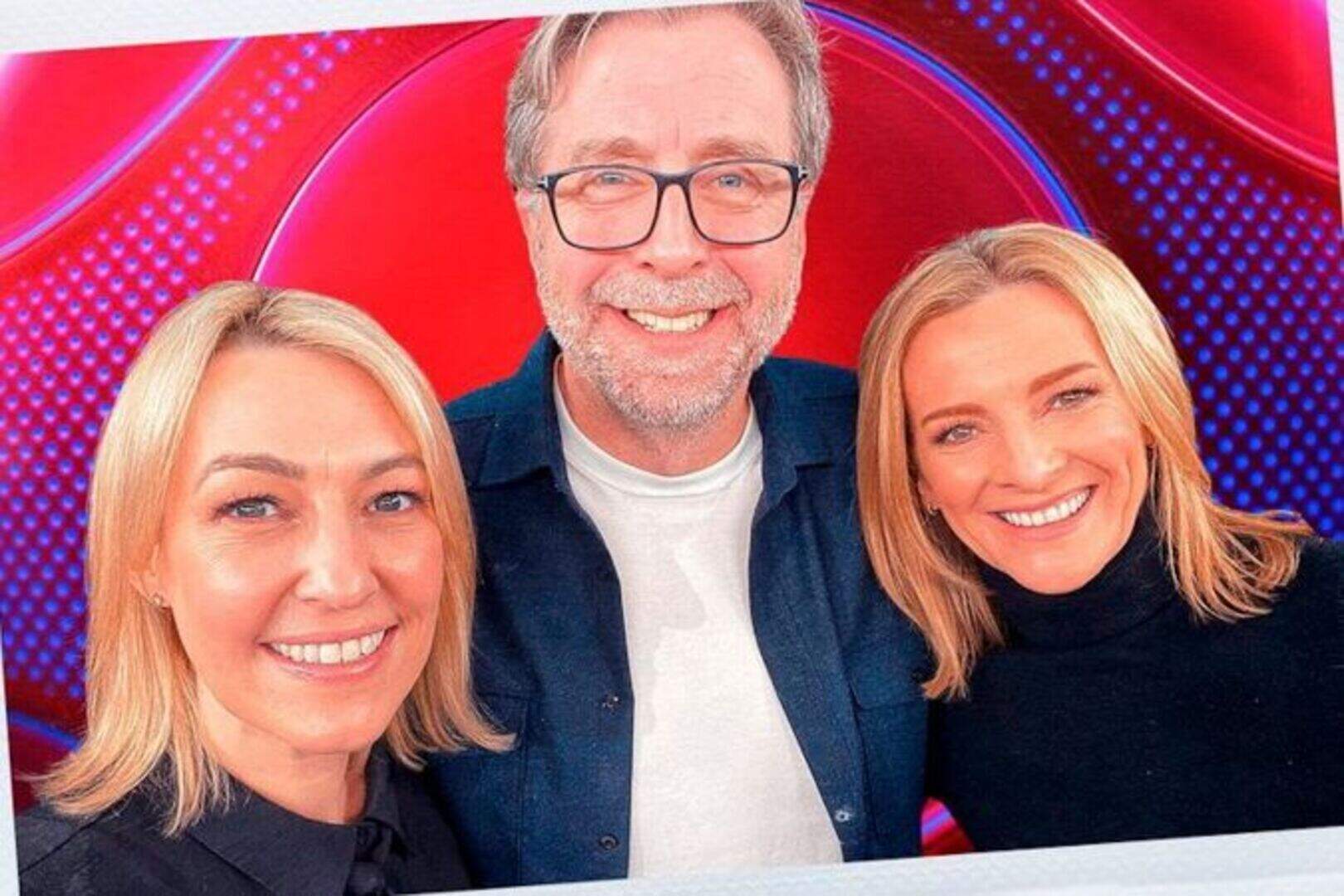
Lineker’s exit from the BBC followed months of controversy connected to his outspoken social media activity. Although he initially signed a one-year extension that would have kept him involved through the upcoming World Cup cycle, the situation changed dramatically following backlash over a social media post connected to Zionism that included imagery widely criticized as offensive and historically insensitive.
The controversy escalated rapidly.
Critics accused Lineker of sharing material containing antisemitic imagery, specifically referencing the use of a rat illustration historically associated with anti-Jewish propaganda during Nazi Germany. While Lineker later apologized publicly, the fallout placed enormous pressure on the BBC.
Behind the scenes, executives reportedly feared the controversy would overshadow future tournament coverage if Lineker remained front and center during the World Cup.
Eventually, both sides agreed to part ways.
Yet Lineker has hardly disappeared from football media.
Instead, he quickly pivoted toward independent broadcasting, securing a major deal involving his hugely successful podcast The Rest Is Football. Reports indicate Netflix will stream the podcast throughout the World Cup tournament, allowing Lineker to remain one of the most influential football voices globally even outside traditional BBC coverage.
Some insiders quietly believe that reality increased pressure on the BBC to make a bold statement with its replacement decision.
And choosing Gabby Logan achieves several goals simultaneously.
Logan brings decades of presenting experience across Olympic Games, athletics, rugby, football, and major live events. She is widely respected internally for her professionalism and ability to handle high-pressure broadcasts calmly — qualities BBC executives reportedly viewed as essential following the turbulence surrounding Lineker’s departure.
Importantly, her appointment also allows the BBC to present the move as a historic progression in sports broadcasting.
By placing Logan at the center of the World Cup final, the BBC signals a deliberate shift toward a more modern and inclusive presentation identity. Internally, executives reportedly see the decision as both symbolically important and strategically safe.
Still, reactions among football fans have already become deeply divided online.
Some viewers praised the appointment immediately, arguing Logan has long deserved the opportunity after years of consistent broadcasting excellence.
“She’s earned it,” one fan wrote online. “Professional, experienced, calm under pressure.”
Others, however, expressed disappointment that Mark Chapman was overlooked. Chapman has become increasingly popular among football audiences through Match of the Day 2 and live sports coverage, with many viewing him as the natural successor to Lineker’s traditional role.
Meanwhile, Alex Scott’s supporters argued that she represented the boldest long-term option for the broadcaster.
“She should have got the final,” one social media user commented. “She’s already carried huge BBC football coverage for years.”
The situation reflects a broader uncertainty surrounding the future direction of football broadcasting itself.
Traditional television audiences continue declining steadily as younger fans consume football through podcasts, YouTube channels, TikTok clips, streaming platforms, and social media personalities instead of classic studio broadcasts. Broadcasters are now under enormous pressure to modernize without alienating older audiences who still value traditional football coverage formats.
That balancing act has become especially difficult for the BBC.
The cancellation of Football Focus, criticism surrounding Match of the Day format changes, and the departure of Gary Lineker have all contributed to a growing perception that the broadcaster is navigating one of the most uncertain periods in its sports broadcasting history.
Internally, there is reportedly awareness that the 2026 World Cup could become a defining moment for the BBC’s football future.
Executives know audiences will compare every aspect of coverage against previous tournaments hosted by Lineker. Every presenter decision, pundit dynamic, and studio format will likely face intense public scrutiny.
That reality partly explains why Logan’s appointment feels so significant.
The BBC appears to have prioritized experience, calmness, and reliability over risk.
And for Logan herself, the opportunity carries enormous emotional weight.
Friends reportedly describe her as deeply honored by the decision while also understanding the scale of responsibility attached to replacing someone as iconic as Lineker during football’s biggest event.
Because whoever occupies that seat during the World Cup final will inevitably become symbolic of a new broadcasting generation.
For Alex Scott and Mark Chapman, meanwhile, the story may not be over yet.
Both remain central figures within BBC Sport’s long-term future plans, and insiders suggest the corporation still views them as future leading presenters for major tournaments.
But for now, the biggest match in world football belongs to Gabby Logan.
And when the cameras go live for the 2026 World Cup final, history will quietly unfold behind the desk long before a ball is even kicked.