“I’m Only Saying What Many People Are Already Thinking.” — Laura Woods Continues to Challenge Expectations as World Cup Spotlight Intensifies
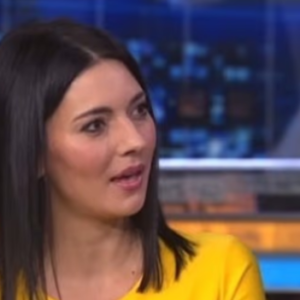
In an industry where neutrality is often considered a professional requirement, Laura Woods has built a reputation for doing something many broadcasters avoid: speaking her mind.
As preparations continue for another major World Cup, Woods finds herself once again at the center of public debate—not because of the matches themselves, but because of her willingness to express opinions that frequently ignite controversy.
The popular presenter, widely regarded as one of the leading figures in British sports broadcasting, has become known for combining sharp analysis with an unusually candid public voice. Admirers praise her honesty and authenticity, while critics argue that she sometimes blurs the line between presenter and commentator.
That tension has followed her throughout much of her career, but recent events have highlighted just how complicated that balancing act can be.
Sources close to the broadcasting industry suggest that Woods has increasingly found herself navigating a landscape where every comment is scrutinized, every social media post is dissected, and every perceived opinion becomes a headline.
The latest debate emerged following coverage of Arsenal’s Champions League final defeat against Paris Saint-Germain.
As a lifelong Arsenal supporter, Woods was accused by some viewers of allowing personal loyalties to influence the tone of the broadcast.
Critics on social media claimed the coverage focused excessively on Arsenal perspectives, while rival supporters questioned whether sufficient neutrality had been maintained.
The criticism quickly spread across online platforms.
Rather than ignoring the accusations, Woods responded directly.
Her replies sparked another wave of discussion as she defended both herself and the broader realities of sports broadcasting.
According to Woods, audiences often misunderstand how major sporting events are covered.
She argued that national broadcasters naturally prioritize stories that resonate most strongly with their primary audiences.
The comments generated strong reactions, particularly among supporters outside England who felt their teams frequently receive less attention during major tournaments.
Yet behind the public disagreement, industry insiders suggest a larger issue exists.
Modern sports presenters are expected to be relatable, authentic, and engaging while simultaneously remaining impartial.
The result is a difficult contradiction.
Viewers increasingly want broadcasters to display personality and passion, but often criticize them when that personality becomes too visible.
Those familiar with Woods’ career say she has repeatedly refused to conform to traditional expectations.
Unlike many presenters who carefully avoid contentious topics, she has demonstrated a willingness to engage in discussions that extend far beyond football.
That approach has won admiration from some audiences and generated fierce criticism from others.
Perhaps no issue illustrated this dynamic more clearly than her involvement in debates surrounding transgender participation in women’s sport.
The controversy erupted during discussions connected to Olympic boxing competitions.
When questions emerged regarding eligibility rules and fairness in women’s events, Woods publicly supported commentary calling for greater scrutiny of the policies involved.
Her endorsement of those arguments immediately triggered a storm of reactions online.
Thousands of comments followed.
Some users praised her for addressing what they viewed as an important issue.
Others accused her of contributing to harmful narratives.

The backlash became intensely personal.
Within days, Woods revealed that she had received abusive messages, including threats directed at both herself and her unborn child.
The experience offered a sobering glimpse into the realities faced by public figures who engage with divisive subjects.
Friends reportedly encouraged her to step back from social media during the height of the controversy.
However, Woods chose not to retreat completely.
Instead, she continued defending her right to participate in public discussions while condemning the abuse she received.
Privately, those close to her say the incident highlighted one of the least visible aspects of modern broadcasting.
Presenters are increasingly expected to maintain constant engagement with audiences online, yet that accessibility often exposes them to extraordinary levels of hostility.
Several fellow broadcasters reportedly reached out to Woods during the controversy, expressing support and sharing similar experiences from their own careers.
The debate also intensified conversations within media organizations about how employers can better protect staff from online harassment.
Yet Woods’ willingness to speak openly has not been limited to sporting matters.
In recent years, she has occasionally ventured into broader cultural and political conversations.
One particularly notable example came following the death of American commentator Charlie Kirk.
While acknowledging that she did not agree with all of Kirk’s views, Woods praised what she described as his ability to engage in debate and communicate ideas effectively.
The reaction was immediate.
Supporters viewed her comments as a defense of free expression and civil discourse.
Critics argued that any praise of a polarizing figure risked legitimizing controversial opinions.
The episode once again placed Woods at the center of a social media storm.
Observers noted that the situation reflected a recurring pattern.
Whenever she attempted to discuss complex issues, many audiences interpreted her comments through a highly polarized lens.
Nuance often disappeared.
Positions became simplified.
And online debate rapidly escalated.
Despite these challenges, Woods has continued to resist pressure to remain silent.
Industry colleagues say that determination partly explains her popularity.
Unlike many media personalities who carefully manage every public statement, Woods often appears willing to accept criticism as the price of honesty.
Still, recent developments suggest she is increasingly aware of the consequences.
Following one particularly heated exchange connected to World Cup coverage, Woods surprised followers by posting a noticeably more measured video on social media.
In the clip, she adopted a calmer tone, emphasizing respect for differing viewpoints while subtly acknowledging the pressures that accompany high-profile broadcasting roles.
Although she did not directly address specific critics, many viewers interpreted the message as an attempt to de-escalate tensions.
Yet even within the conciliatory remarks, there were hints of deeper frustrations.
Woods appeared to reference the intense scrutiny faced by broadcasters and the difficulties of navigating public expectations.
Some media analysts suggested the video revealed the behind-the-scenes reality of modern sports television.
Presenters are not simply reporting on events.
They are also managing audience reactions, corporate responsibilities, social media narratives, and professional reputations simultaneously.
The complexity of that environment is rarely visible to viewers.
Another controversy earlier this year further reinforced Woods’ reputation for bluntness.
Following comments made by veteran broadcaster Richard Keys after the death of Gabby Logan’s father, Woods publicly criticized his remarks in unusually direct language.
Her response generated headlines across the sports media landscape.
Supporters applauded her willingness to defend a colleague during a period of grief.
Others questioned whether public criticism between broadcasters should be handled differently.
Regardless of perspective, the incident demonstrated once again that Woods is rarely afraid to express her views.
That fearlessness has become a defining feature of her public identity.
As the World Cup approaches, Woods enters one of the most visible periods of her professional career.
Millions of viewers will tune in to watch the tournament, and she will play a central role in guiding audiences through the drama, excitement, and analysis.
Yet alongside the football itself, attention will inevitably remain focused on her.
Some viewers will celebrate her authenticity.
Others will continue to challenge her opinions.

The debates are unlikely to disappear.
What makes Woods particularly fascinating is the contrast between her public confidence and the caution occasionally revealed through her online presence.
On television, she often appears fearless.
On social media, there are moments when the weight of public judgment becomes more visible.
That contrast offers insight into the realities of modern broadcasting.
The strongest personalities are not immune to pressure.
The most outspoken voices still navigate consequences.
And behind every viral headline lies a professional attempting to balance authenticity with responsibility.
For Laura Woods, that balancing act has become part of the job.
Whether discussing football, fairness in sport, media culture, or broader social issues, she continues to occupy a space few broadcasters are willing to enter.
As the World Cup unfolds, one thing appears certain: Woods will remain one of the tournament’s most talked-about figures, not only because of the matches she covers but because of her refusal to fit neatly into expectations.
And in an era when many public figures choose caution above all else, that may be precisely why she continues to attract both admiration and controversy in equal measure.