“I NEVER IMAGINED IT WOULD ATTRACT SO MUCH ATTENTION — BUT THAT’S THE REALITY OF BEING A PHILLIPS.”
For Peter Phillips, the road to his second marriage appears to have been shaped as much by experience as by romance. When he quietly exchanged vows with Harriet Sperling in an intimate ceremony surrounded by close family and trusted friends, many royal observers immediately noticed what was absent: the spectacle, publicity, and controversy that once overshadowed his first wedding nearly two decades ago.
While the marriage itself was a joyful occasion, it also represented something deeper—a carefully managed new beginning that reflected how much Peter’s outlook may have changed since 2008.
At first glance, the ceremony seemed refreshingly simple by royal standards. There were no major media campaigns, no extensive public announcements, and no effort to transform the wedding into a global event. Instead, the couple opted for a private celebration that emphasized family, personal relationships, and discretion.
For those familiar with Peter’s history, however, the decision carried particular significance.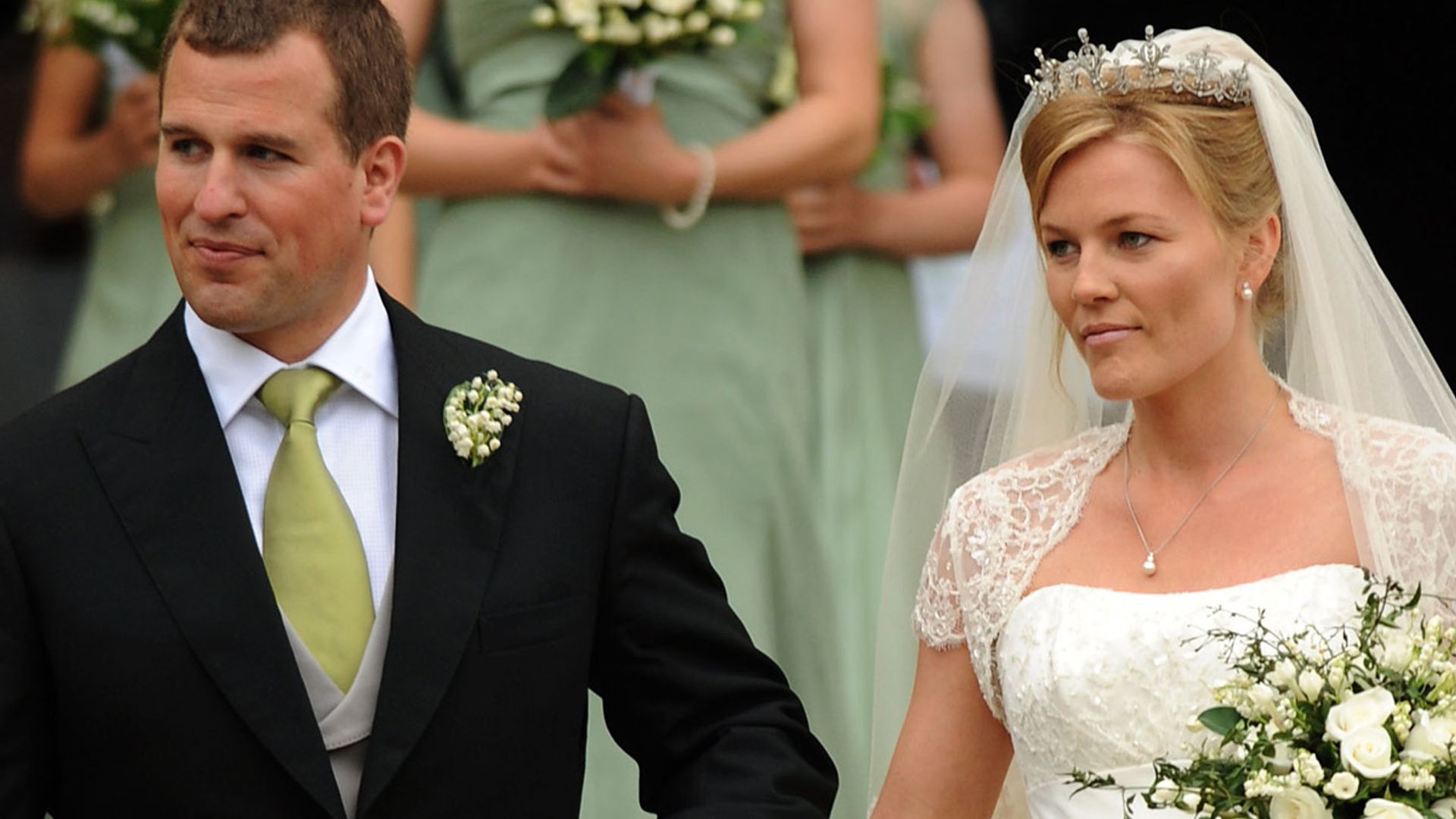
His first marriage to Autumn Kelly in 2008 remains remembered not only for its elegance but also for the controversy that followed. Shortly after the wedding, exclusive rights to official photographs were sold to a magazine in a deal reportedly worth hundreds of thousands of pounds. The publication featured unusually candid images of senior royals, sparking criticism and creating tensions within the family.
At the time, the arrangement was widely viewed as a serious misjudgment. Reports suggested several family members were unhappy about the situation, especially because some photographs had appeared without the knowledge or approval of those featured. The incident became one of the most talked-about royal media controversies of that era.
Nearly twenty years later, Peter’s second wedding could hardly have been more different.
Those close to the family described a ceremony designed around privacy from the very beginning. Invitations were limited, logistical details were tightly controlled, and every effort appeared to be made to keep attention focused on the couple rather than external narratives.
Observers interpreted the approach as evidence that Peter had learned valuable lessons from the past.
Rather than inviting widespread scrutiny, he seemed determined to create an atmosphere where guests could celebrate freely without worrying about headlines or cameras. The contrast was striking. Where once there had been magazine exclusives and public debate, there was now quiet restraint and careful discretion.
Harriet Sperling, a respected NHS pediatric nurse specialist, reportedly embraced the same philosophy. Friends have often described her as grounded, practical, and largely uninterested in public attention. Those qualities may have influenced the tone of the celebration.
Guests arriving at the venue encountered an atmosphere that felt more like a family gathering than a major royal event. Conversations flowed naturally, children played together on the grounds, and relatives appeared relaxed in a way rarely associated with high-profile royal occasions.
Yet beneath the simplicity, insiders suggest considerable planning had taken place behind the scenes.
According to individuals familiar with preparations, organizers worked carefully to balance competing priorities. On one hand, there was a desire to preserve privacy. On the other, the couple understood that complete secrecy would be impossible given Peter’s royal connections.
As a result, arrangements reportedly involved detailed discussions regarding security, guest access, media management, and family expectations. Every aspect of the event appears to have been considered through the lens of avoiding unnecessary complications.
Those efforts seem to have succeeded.
Instead of becoming a source of controversy, the wedding generated positive reactions from many royal watchers, who praised its understated elegance. Some described it as a mature reflection of Peter’s current stage of life—less focused on public perception and more centered on personal happiness.
The marriage also marks the blending of two established families.
Peter, the eldest child of Princess Anne and the late Queen Elizabeth II’s eldest grandchild, entered the relationship with years of public experience behind him. Harriet brought her own family history, including a daughter from a previous relationship and a life largely spent outside royal circles.
Friends say the couple spent significant time ensuring that their children felt comfortable throughout the transition. Family integration reportedly became a central focus long before wedding plans were finalized.
Several guests observed how naturally the children interacted during the celebrations. Moments of laughter, shared activities, and informal conversations created a sense that the occasion was not simply about a marriage but about the creation of a new family unit.
That emphasis on family may explain why the ceremony felt unusually personal.
Unlike many high-profile weddings that become public spectacles, this event appeared designed primarily for those directly involved. Relatives spent extended periods together away from official duties and media obligations, creating opportunities for reconnection and reflection.
Some royal commentators believe the occasion also served as a reminder of Peter’s unique position within the monarchy.
Although he is part of the royal family, he has never been a working royal and has generally maintained a lower public profile than many of his cousins. This has allowed him greater freedom in shaping his personal and professional life, but it has not shielded him entirely from public scrutiny.
Every significant milestone remains subject to attention precisely because of his family connections.
The wedding therefore carried symbolic importance beyond the couple themselves. It demonstrated how members of the extended royal family are increasingly navigating modern expectations while balancing tradition, privacy, and public interest.
Interestingly, several observers noted that the event’s quiet nature generated its own form of fascination.
In the absence of dramatic announcements or extensive media coverage, curiosity only seemed to increase. Questions emerged about how preparations had unfolded, which relatives had played key roles behind the scenes, and what conversations may have taken place during the months leading up to the ceremony.
Naturally, much of that information remains private.
Those close to Peter and Harriet have been careful not to reveal unnecessary details, reinforcing the sense that the couple genuinely wishes to keep aspects of their relationship away from public view. This restraint has only fueled speculation that there may be meaningful stories behind the scenes that will never become public knowledge.
The presence of senior family members nevertheless highlighted the significance of the occasion. Their attendance suggested strong support for the couple and underscored the importance of family unity despite the various challenges and public pressures that often accompany royal life.
For Peter personally, the wedding appears to represent more than simply the start of a new marriage.
It symbolizes a second chance—an opportunity to move forward with the benefit of experience, maturity, and perspective gained over many years. The mistakes and controversies of the past have not been erased, but they may have informed a different approach to this chapter of his life.
Rather than revisiting old patterns, Peter seemed determined to write a different story.
Whether intentional or not, the wedding conveyed a message of quiet confidence. There was no need for grand gestures, headline-making exclusives, or public validation. The focus remained firmly on the people who mattered most.
Yet even as the celebrations concluded, an air of mystery lingered.
The careful planning, the private nature of the gathering, and the absence of public spectacle all left observers wondering what remained unseen behind the scenes. In many ways, the event’s greatest intrigue came not from what was revealed, but from what was deliberately kept private.
As a result, Peter Phillips and Harriet Sperling’s wedding may ultimately be remembered not for controversy or publicity, but for its remarkable discretion. In an era when every royal event is dissected in minute detail, choosing privacy became a statement in itself.
And perhaps that is what makes the story so compelling. Beneath the calm surface lies a deeper narrative about family, personal growth, second chances, and lessons learned—one that continues to unfold quietly, far from the spotlight that once defined Peter Phillips’ most public moments.