GEORGE R. R. MARTIN’S SURPRISE INFLUENCE — Why Fans Think A Darker Story Could Transform Dark Winds Forever
As anticipation continues to grow for the future of Dark Winds, fans have begun imagining how the acclaimed crime drama might evolve beyond the mysteries that have defined its success so far. The series has earned widespread praise for combining gripping investigations with deeply personal character journeys, all while exploring Navajo culture and the emotional burdens carried by Joe Leaphorn and those around him. Yet as each season raises the stakes, viewers have started wondering whether the show could eventually embrace an even darker storytelling approach. Inspired by the unpredictable narratives often associated with George R. R. Martin, some fans believe the series could become even more compelling if no character’s future felt guaranteed. The possibility has sparked lively discussion online, with audiences debating how far the writers might be willing to push the emotional boundaries of the story without losing the qualities that made Dark Winds so distinctive in the first place.
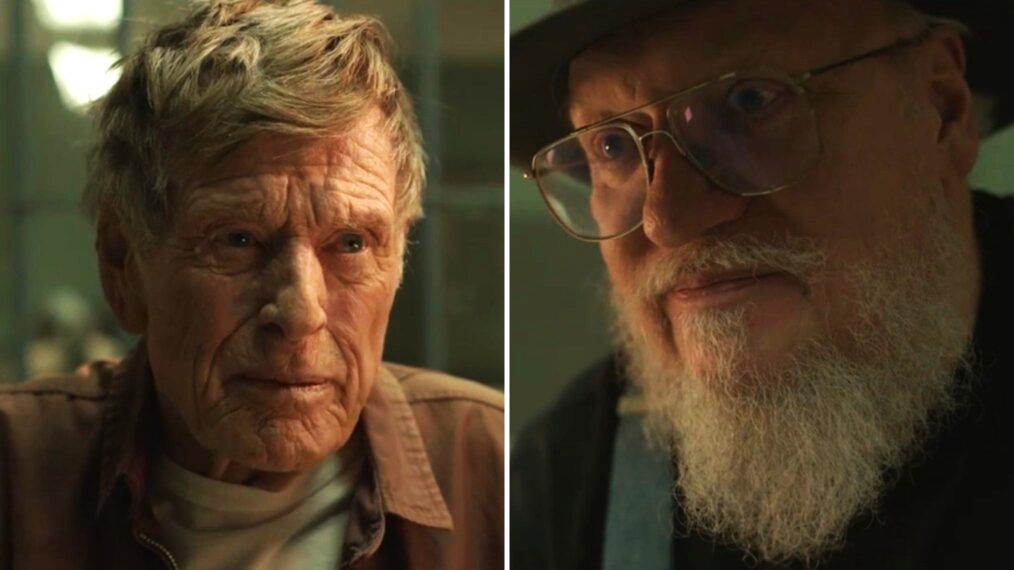
One of the biggest reasons this theory has gained momentum is the way Dark Winds already blurs the traditional line between heroes and villains. Unlike many procedural dramas, the series rarely presents simple moral choices. Joe Leaphorn is respected as a dedicated lawman, yet he frequently finds himself wrestling with grief, guilt and difficult decisions that refuse to fit neatly into categories of right and wrong. Jim Chee continues searching for his own identity while balancing professional duty against personal loyalty, and Bernadette Manuelito has repeatedly discovered that justice is often far more complicated than following the rules. Because the show has always embraced emotional complexity, many viewers believe a darker narrative would feel like a natural progression rather than a dramatic departure. They argue that introducing greater uncertainty could deepen the emotional impact of every investigation and every relationship.
Much of the speculation focuses on the possibility that future seasons could abandon the assumption that central characters are always protected. George R. R. Martin became famous for creating stories in which even the most beloved figures could disappear without warning, permanently reshaping the balance of power. Fans have wondered what a similar philosophy might look like within Dark Winds. Rather than relying on shocking moments for their own sake, supporters of the idea imagine storylines where long-standing alliances fracture, trusted friends become unexpected adversaries or respected authority figures reveal hidden motives. Such developments, they argue, would reinforce the series’ recurring theme that truth is rarely as straightforward as it first appears. Every investigation would carry greater suspense if viewers genuinely believed that no one was completely safe from the consequences of their decisions.

Another theory attracting attention involves the growing influence of competing interests across the Navajo Nation. Throughout the series, crimes have rarely been isolated incidents. Instead, they often connect to larger struggles involving politics, family history, economic pressures and deeply rooted community relationships. Fans speculate that future seasons could intensify those conflicts by introducing rival factions whose ambitions extend far beyond solving—or concealing—a single crime. Instead of one clearly identifiable antagonist, multiple groups with conflicting agendas could force Leaphorn and his colleagues into impossible choices where every decision carries significant personal consequences. Such a direction would create the kind of shifting loyalties often associated with epic political dramas while remaining firmly grounded in the crime-focused world that defines Dark Winds.
The possibility of a darker future has also fueled discussion about Joe Leaphorn himself. Over several seasons, audiences have watched him shoulder enormous emotional burdens while continuing to pursue justice with remarkable determination. Yet many fans believe his greatest test may still lie ahead. Rather than confronting another external criminal, some imagine Leaphorn eventually facing a situation where every available choice carries devastating consequences. Protecting one person could endanger another. Solving one crime might expose painful truths capable of dividing families or communities forever. These kinds of moral dilemmas have become a hallmark of the series, and supporters of a darker direction argue that pushing them even further would allow Zahn McClarnon to deliver some of the most powerful performances of his career. For them, the emotional cost of leadership—not spectacular action—is what should remain at the heart of the show’s evolution.
At the same time, many longtime viewers caution that Dark Winds should not simply imitate another storyteller’s style. George R. R. Martin’s work is defined by sweeping political conflict and constant uncertainty, whereas Dark Winds has built its reputation through intimate storytelling, cultural authenticity and carefully developed character relationships. While darker themes could certainly enrich future seasons, fans generally agree that the series should continue respecting the emotional foundations established from the beginning. Unexpected betrayals, heartbreaking losses and morally difficult choices would only succeed if they emerged naturally from the characters rather than existing solely to surprise the audience. Preserving that balance may prove just as important as introducing any dramatic new twists.
For now, there is no indication that Dark Winds is planning to dramatically reinvent its storytelling style, and the idea of adopting a George R. R. Martin-inspired approach remains entirely fan speculation rather than confirmed creative direction. Even so, the conversation reveals how invested audiences have become in the future of Joe Leaphorn’s world. Viewers are not simply hoping for bigger mysteries—they are imagining stories that challenge every relationship, every assumption and every sense of security built over previous seasons. If the series eventually chooses to explore an even darker path, it will not be because audiences are looking for shock value alone. They are searching for the kind of emotionally complex storytelling that leaves every decision carrying real consequences. And if that day ever arrives, one unanswered question will likely dominate every discussion: when the next mystery begins, who will still be standing when the truth finally comes to light?