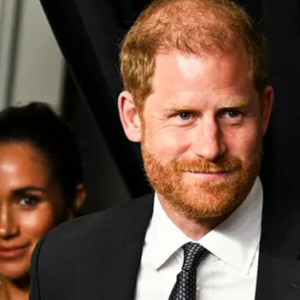
Prince Harry’s Legal Battle Returns to Court Following Major Setback for the Duke
Prince Harry’s legal challenge against the publisher of the Daily Mail is set to return to court, only weeks after suffering a significant defeat in the case. The Duke of Sussex, along with several other well-known public figures, had accused Associated Newspapers Limited (ANL) of engaging in unlawful methods of gathering private information in order to create newspaper stories.
The claims, which were strongly rejected by ANL, were examined during an extensive 11-week trial held earlier this year at the High Court in London. However, the judge ultimately dismissed the case, ruling that the evidence presented by Harry and the other claimants was not strong enough to support their allegations.
Mr Justice Nicklin delivered a detailed 436-page judgment on July 7, concluding that the claims against the publisher could not be proven. The ruling represented a major disappointment for the Duke and the other individuals involved, who had argued that their privacy had been seriously violated.
Despite the unsuccessful outcome, the legal dispute is not completely over. The case is scheduled to return to court for a two-day hearing focused on issues that remain unresolved following the judgment.
The upcoming hearing is expected to address several important matters, including legal costs and whether any of the claimants intend to challenge the decision through an appeal process.
Court Hearing to Address Financial Issues and Possible Appeal
One of the main topics expected to be discussed is the enormous cost of the legal proceedings. Associated Newspapers Limited has stated that the case has already resulted in legal expenses exceeding £50 million, highlighting the scale and complexity of the dispute.
The court will also consider whether Prince Harry or any of the other claimants plan to appeal against the ruling. An appeal would require them to demonstrate that there were legal errors in the original judgment rather than simply disagreeing with the outcome.
The hearing comes after a lengthy legal battle involving multiple high-profile individuals who claimed they had been targeted by unlawful information-gathering practices.
The original case centred on 97 newspaper articles that the claimants alleged had been produced using illegal methods. They argued that the stories were based on private information obtained through inappropriate and unlawful actions.
Allegations of Illegal Information Gathering
During the trial, lawyers representing Prince Harry and the other claimants made serious accusations against ANL. They claimed that private investigators, freelance journalists, and employees connected to the publisher had used unlawful techniques to obtain personal details.
The alleged methods included voicemail interception, unauthorised access to private communications, telephone tapping, and obtaining information through deception — a practice often referred to as “blagging”.
The claimants argued that these actions represented serious breaches of privacy and that the information gathered was then used to publish articles about their personal lives.
However, ANL strongly denied all accusations and maintained that the claims were not supported by sufficient evidence.
The publisher argued that the allegations were based on speculation rather than proof and insisted that the articles in question had not been produced through unlawful activity.
High-Profile Figures Give Evidence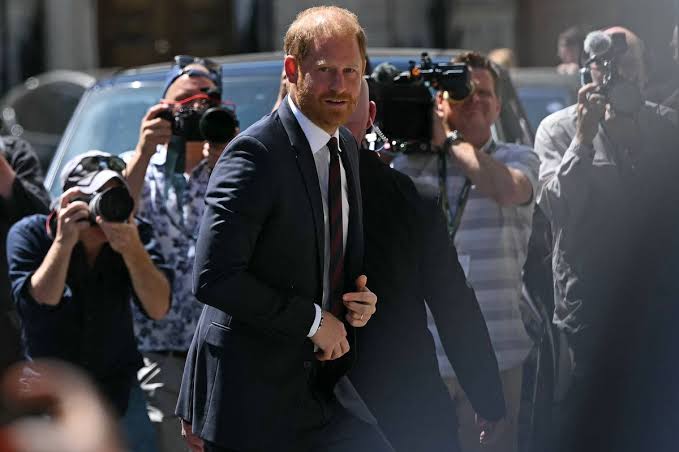
The trial attracted significant attention because of the involvement of several prominent personalities, including Prince Harry.
A number of witnesses appeared during the proceedings, including the claimants themselves, as well as current and former journalists and executives connected to ANL.
The Duke of Sussex has previously taken legal action against various British media organisations, arguing that intrusive reporting practices had caused harm to him and his family.
His legal campaigns have become part of his wider criticism of the British press, which he has frequently accused of excessive intrusion and unfair treatment.
The ANL case was another major chapter in his ongoing efforts to challenge media organisations over privacy concerns.
A Significant Moment for Prince Harry
The dismissal of the case marked a difficult moment for Prince Harry, who had hoped the court would recognise his claims and hold the publisher accountable.
The Duke has repeatedly spoken about his belief that certain media outlets played a damaging role in the lives of himself and members of the Royal Family.
His legal actions have also been closely connected to his desire to protect his wife Meghan Markle and their children, Prince Archie and Princess Lilibet, from what he describes as harmful media attention.
However, the court’s decision means that Harry and the other claimants must now decide whether to continue fighting through an appeal or accept the judgment.
The Wider Impact of the Case
The outcome of the legal battle could have wider implications beyond Prince Harry himself. Privacy cases involving public figures often raise questions about the balance between freedom of the press and an individual’s right to protect their personal life.
While newspapers argue that investigative journalism is essential for holding powerful people accountable, critics argue that some reporting methods cross ethical and legal boundaries.
The case involving ANL highlighted the continuing tension between these competing interests.
For Prince Harry, the issue remains deeply personal. His relationship with the British media has been one of the defining themes of his life after stepping back from royal duties and moving to the United States with Meghan.
What Happens Next?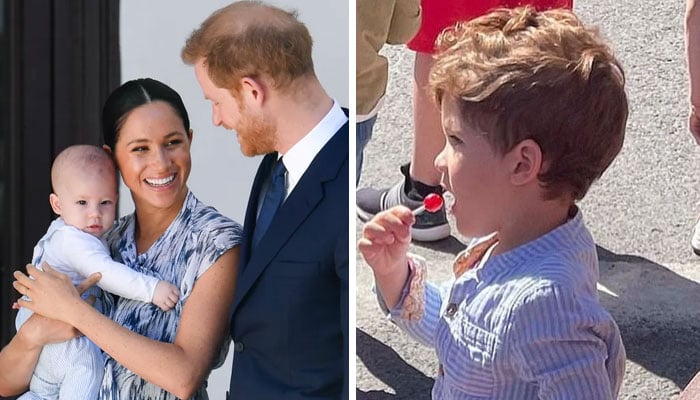
The upcoming court hearing will not revisit the original allegations in full but will instead focus on the consequences of the previous ruling.
Judges are expected to examine questions surrounding legal costs, possible appeals, and the final steps required to conclude the proceedings.
Whether Prince Harry chooses to continue the legal fight remains uncertain. An appeal could extend the dispute for months or even years, while accepting the judgment would bring the lengthy case closer to an end.
Regardless of the next move, the case has already become one of the most closely watched legal battles involving a member of the British Royal Family in recent years.
The Duke’s return to court demonstrates that, despite the setback, the dispute surrounding privacy, media practices, and accountability is still far from completely resolved.