Departure of King Charles’ Senior Aide Could Renew Debate Over Prince Harry’s Long-Running Security Dispute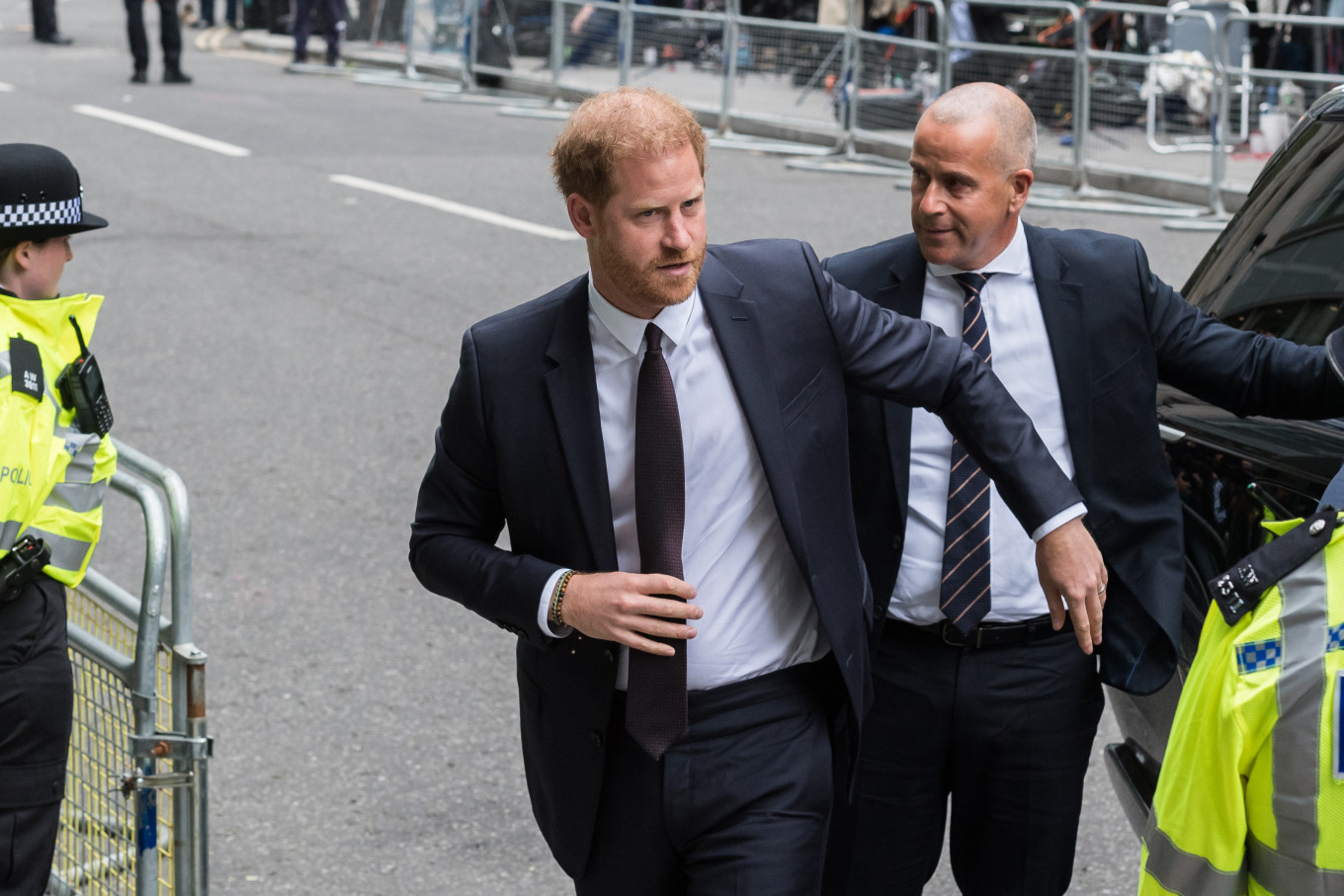
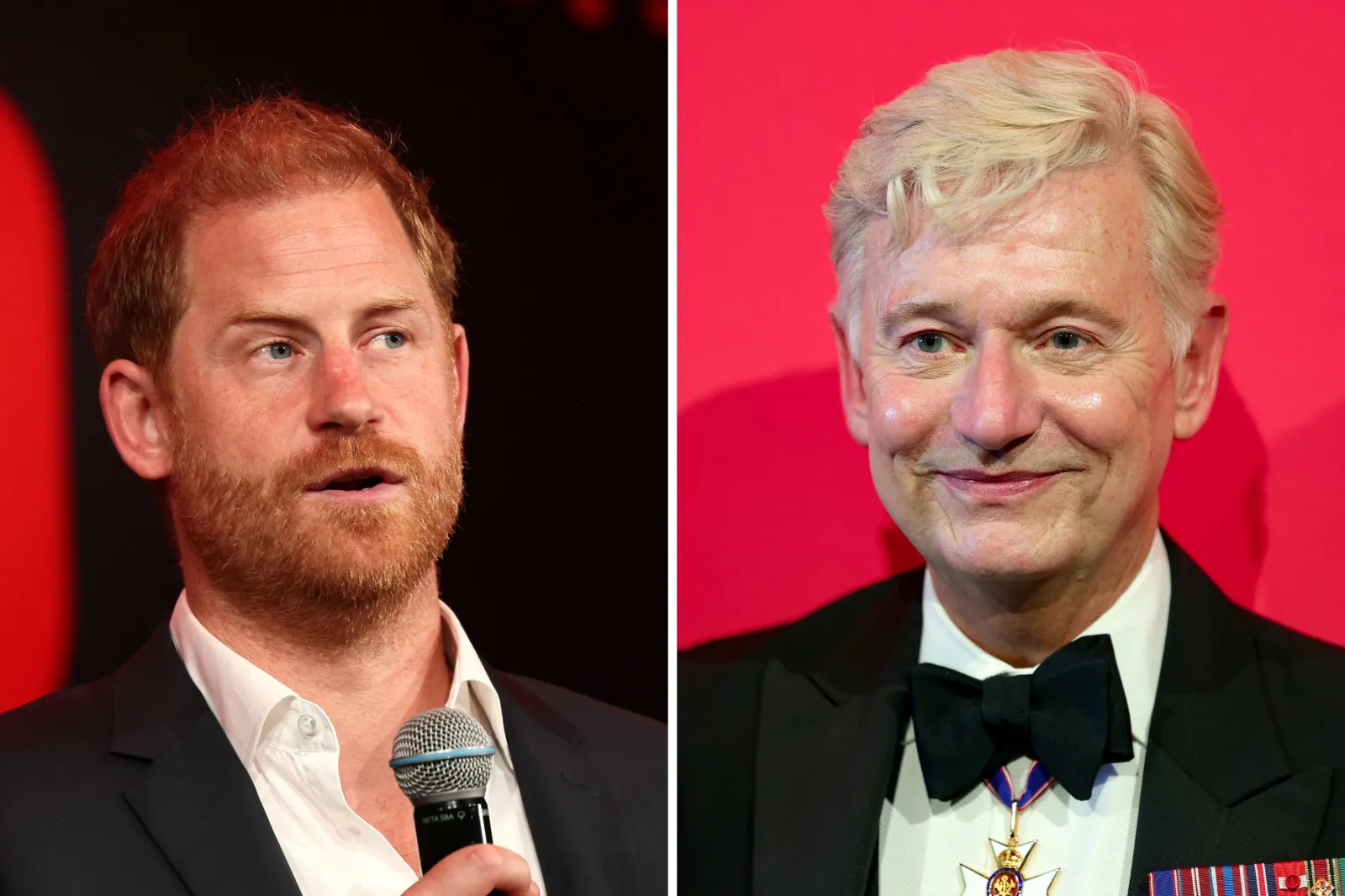
The planned retirement of Sir Clive Alderton, King Charles III’s most senior private secretary, marks the end of an influential chapter within the Royal Household. While his departure represents a significant administrative change for Buckingham Palace, it has also revived discussion surrounding Prince Harry’s long-running disagreement over police protection during visits to the United Kingdom.
For several years, Harry has maintained that the reduction of his publicly funded security arrangements has placed both himself and his family at risk whenever they travel to Britain. Throughout that dispute, Sir Clive Alderton has occupied a unique position, serving not only as the King’s closest senior adviser but also as one of the Royal Household representatives involved with the government committee responsible for considering royal security arrangements.
As Alderton prepares to leave his position next year, some observers believe the transition could provide an opportunity to evaluate claims that palace officials have influenced decisions affecting Harry’s security.
Sir Clive informed Royal Household employees that he intends to retire in May, ending more than two decades of service to the monarchy.
In a farewell message to colleagues, he described serving both King Charles and Queen Camilla during a period of historic change as the greatest honor of his professional life.
Although stepping away from his official duties, Alderton indicated that his support for the King and Queen would continue in a personal capacity long after his retirement.
His departure coincides with his 60th birthday and will allow time for Buckingham Palace to identify and prepare his successor.
Having served as Principal Private Secretary for more than a decade, Alderton has become one of the monarchy’s most trusted advisers.
Palace officials hope to appoint a replacement during the spring or summer of 2027, ensuring an orderly transition within one of the most important positions in the Royal Household.
A Buckingham Palace spokesperson praised Alderton’s years of dedication, saying the King and Queen were deeply grateful for his loyal service, thoughtful advice, and commitment throughout a period that included major constitutional milestones.
Among those responsibilities were helping King Charles prepare for the accession following Queen Elizabeth II’s death in 2022 and assisting with preparations for the Coronation held the following year.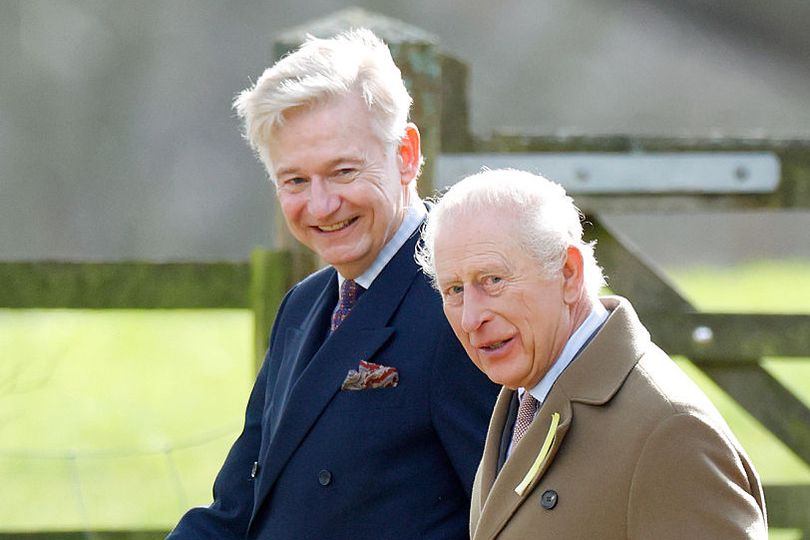
Royal author Ingrid Seward has suggested that serving so closely alongside Charles demands extraordinary commitment.
According to her, working at the heart of the monarchy requires constant attention and leaves little separation between professional and personal life.
Beyond managing the King’s schedule and coordinating official duties, Alderton has also held another significant responsibility.
He has represented the Royal Household on RAVEC, the government committee that considers security arrangements for members of the Royal Family and other protected individuals.
The committee operates under the Home Office and reviews recommendations concerning Metropolitan Police protection.
Prince Harry has repeatedly questioned the role played by palace representatives within that process.
According to reports, the Duke of Sussex remains suspicious that senior Royal Household officials possessed greater influence over security decisions than has been publicly acknowledged.
Individuals close to Harry reportedly believe Alderton could have done more to help restore police protection for the Duke and his family.
Buckingham Palace has consistently rejected that suggestion.
Officials maintain that Royal Household representatives attending RAVEC meetings serve only in an advisory capacity.
According to that explanation, they provide factual information about royal engagements and operational matters but do not determine the committee’s final decisions.
The committee’s official terms of reference indicate that ultimate responsibility rests with its chair rather than palace representatives.
Even so, Harry’s concerns have persisted.
The issue became particularly significant earlier this summer when he returned to Britain without the level of police protection he had sought.
Reports suggested the Duke was deeply disappointed after learning that additional Metropolitan Police security would not be provided for his visit.
Despite those concerns, Harry’s trip ultimately included several important family moments.
Meghan Markle, Prince Archie, and Princess Lilibet quietly joined him for parts of the visit.
During their stay, the family reportedly met privately with King Charles and Queen Camilla before also visiting Althorp, the ancestral home of Diana, Princess of Wales, where her final resting place is located.
Although those reunions proceeded privately, the disagreement over security continued attracting significant public attention.
Harry’s difficult relationship with Alderton stretches back much further than recent legal disputes.
In his memoir Spare, the Duke described several senior palace officials using insect-inspired nicknames.
Royal commentators widely identified “The Bee” as Sir Edward Young, Queen Elizabeth II’s former Private Secretary.
“The Fly” was believed to refer to Simon Case, who later became Cabinet Secretary.
“The Wasp” was widely understood to represent Sir Clive Alderton.
Within the memoir, Harry portrayed the character he called “The Wasp” as outwardly courteous but privately capable of undermining those who disagreed with him.
The description reflected Harry’s belief that certain palace officials worked against him during some of the most significant moments of his departure from royal duties.
Those tensions became particularly evident during the Sandringham Summit in January 2020.
The meeting brought together Queen Elizabeth II, then-Prince Charles, Prince William, Prince Harry, and several senior advisers to negotiate the future arrangements following Harry and Meghan’s decision to step back as working royals.
Alderton attended those discussions alongside the other senior palace officials later referenced in Harry’s memoir.
Following his departure from royal duties, Harry launched legal action against the Home Office in an attempt to restore his previous security arrangements.
During those proceedings, one of his central arguments involved an offer he claimed to have made during the Sandringham negotiations.
Harry stated that he had proposed paying personally for Metropolitan Police protection after leaving official royal life.
According to court filings, that proposal was discussed during the January 2020 meeting and later repeated in correspondence sent several months afterward.
Harry argued there had never been a satisfactory explanation as to why his proposal was not formally passed on to the relevant government authorities.
However, evidence disclosed during the legal proceedings suggested the issue was considerably more complicated.
Correspondence examined by the High Court indicated that discussions had taken place between government officials and representatives of the Royal Household regarding possible security arrangements.
Although portions of those communications remain confidential, the documents appeared to show that the palace and government were not always in complete agreement.
Some emails suggested the Royal Household supported a different approach from the one ultimately adopted by government officials.
Additional evidence indicated that Cabinet Secretary Sir Mark Sedwill considered whether privately funded Metropolitan Police protection would be legally possible.
According to the court documents, he concluded that such an arrangement could not be approved.
The High Court ultimately rejected Harry’s legal challenge, leaving existing security arrangements unchanged.
Throughout that litigation, much of Harry’s frustration initially focused on Sir Edward Young.
Since Young has now left royal service, reports suggest Harry’s attention later shifted toward Alderton because of his continuing involvement with both the King and RAVEC.
Royal commentators have offered differing views on Harry’s concerns.
Some believe he has understandably sought explanations for decisions that have had major consequences for his family’s safety.
Others question whether individual palace officials possessed the level of influence Harry attributes to them.
Royal biographer Robert Jobson has expressed skepticism that Alderton alone could have altered the outcome, although he acknowledged that relations between the two men were reportedly strained.
With Alderton now preparing to retire, every senior palace official who attended the Sandringham Summit and later communicated with government departments regarding Harry’s security arrangements will eventually have left their positions.
That circumstance could become an important point of reference in any future discussions about the Duke’s protection.
If the government were to reconsider Harry’s security after those personnel changes, some supporters might argue that previous officials influenced earlier decisions.
Conversely, if the Home Office continues maintaining the same position established in 2020, it would reinforce the longstanding view that the outcome resulted from government policy rather than the actions of individual palace advisers.
Either way, Alderton’s retirement represents more than a routine staffing change.
It closes an important chapter in one of the most enduring disputes surrounding Prince Harry’s departure from royal life. As Buckingham Palace prepares for a new Principal Private Secretary and Harry continues seeking improved security arrangements for future visits to Britain, the relationship between the Duke, the Royal Household, and government officials may enter another phase—one that could either ease longstanding tensions or demonstrate that the fundamental disagreements remain unchanged despite changes in personnel.