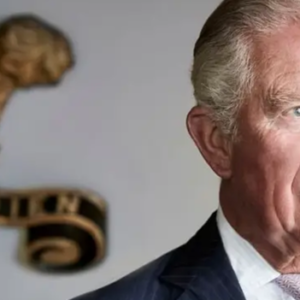
FIFA President Gianni Infantino Faces Growing Opposition as Rival Leaders Consider Plans to Challenge His Authority
FIFA president Gianni Infantino is reportedly facing one of the biggest challenges of his leadership as senior figures within international football allegedly prepare coordinated efforts to weaken his position and potentially force him out of office.

According to reports, the heads of UEFA, CONCACAF and the Asian Football Confederation (AFC) have joined forces in opposition to Infantino, creating an alliance aimed at challenging his leadership. The move comes after a controversial proposal involving the future ownership and commercial control of the World Cup triggered widespread criticism from football authorities around the world.
Infantino’s position has become increasingly uncertain following his decision to abandon a highly disputed plan to sell stakes in the World Cup to a private investment group connected to Josh Kushner, the brother of Jared Kushner, who is the son-in-law of former US President Donald Trump.
The proposal sparked a major backlash across the football community, with many questioning FIFA’s governance, decision-making processes and the potential impact of outside investors gaining influence over one of the sport’s most valuable competitions.
Following the controversy, UEFA publicly expressed a loss of confidence in Infantino’s leadership. Several national football associations, including the English Football Association and the Football Association of Wales, also withdrew their support for his expected re-election campaign ahead of the FIFA presidential vote scheduled for next March.
The growing opposition has placed Infantino under significant pressure as he attempts to secure another term as FIFA president. Reports suggest he has been holding urgent discussions with political figures in Washington in an effort to strengthen his position and survive the growing challenge against him.
However, according to reports from The Times, the leaders of several major football confederations are now considering more aggressive measures if Infantino refuses to step aside. Their reported strategy could involve attempts to limit FIFA’s authority and create alternative structures outside the organization.
One possible scenario being discussed is the creation of rival international competitions. If disagreements between FIFA and the confederations continue, football leaders could explore organizing major tournaments independently rather than operating entirely under FIFA’s control.
Another reported option is a form of “government boycott,” where opposing confederations would refuse to approve FIFA decisions or participate fully in official council and committee activities. Such a move would severely impact FIFA’s ability to operate effectively and could create an unprecedented power struggle within global football.
A source quoted by The Times claimed that opposition leaders are determined to push for change and believe Infantino’s departure is necessary for the future of the sport.
The source reportedly said that there would be no turning back and suggested that alternative international competitions could become a possibility if Infantino remained in power. The comments reflected the seriousness of the current dispute and the level of frustration among some football officials.
The crisis has also affected Infantino’s support base. Reports suggest that while he previously appeared to have overwhelming backing from FIFA’s 211 member associations, his support has now fallen dramatically.
Earlier in the year, the 56-year-old was believed to have the backing of almost every FIFA member ahead of the election. To win another term, he would need at least 106 votes. However, with several countries withdrawing their support, reports indicate that his confirmed backing may now come from only a small group of nations.
Despite the growing opposition, no official challenger has yet announced a campaign to replace Infantino. Potential candidates still have until November 18 to enter the race, meaning the situation could change significantly before the election takes place.
A coordinated call from multiple countries demanding Infantino’s resignation could also increase pressure for an emergency FIFA council meeting, where his leadership could face further scrutiny.
Several European football associations have already made their positions clear. The English FA previously called for a complete review of FIFA’s leadership and governance standards, stating that global football must be managed with greater transparency and accountability.
The Football Association of Wales later released a formal statement confirming that it had withdrawn its support for Infantino’s candidacy for the 2027–2031 presidential term.
The Welsh FA said that concerns over governance, leadership, communication, decision-making and stakeholder management had led to the conclusion that Infantino no longer had their confidence.
Wales stated that failing to place the best interests of football first was unacceptable and that changes were needed at the highest level of the sport’s governing structure.
Other countries, including Serbia, Sweden and Finland, have also publicly withdrawn their support for Infantino. However, he continues to receive backing from several nations, including Morocco, Qatar, Lebanon, Kuwait and Sri Lanka.
The latest developments follow growing tension between FIFA and UEFA after the European governing body sent Infantino a formal legal warning regarding the abandoned World Cup investment proposal.
UEFA reportedly threatened possible legal action, arbitration proceedings or regulatory complaints connected to the FIFA Forward Enterprise (FFE) plan. The organization also demanded that FIFA preserve all documents and electronic records related to the proposal.
In its letter, UEFA instructed FIFA officials to immediately identify and protect relevant materials connected to the project. The warning included senior figures such as Infantino, FIFA’s global football development chief Arsene Wenger, secretary general Mattias Grafstrom and chief operating officer Kevin Lamour.
UEFA also warned that deleting, changing, hiding or losing important information after receiving the notice could potentially be considered destruction of evidence.
Although the letter itself did not represent formal legal action, it demonstrated the seriousness of UEFA’s concerns and suggested that further disputes could follow if the matter escalates.
UEFA later confirmed that the document preservation request had been issued, reinforcing the growing tension between European football leaders and FIFA’s current administration.
The situation represents one of the most significant challenges Infantino has faced since becoming FIFA president. While he has survived criticism throughout his leadership, the combination of governance concerns, political opposition and declining support from major football associations has created a difficult path ahead.
With the presidential election approaching, the future of FIFA leadership remains uncertain. Whether Infantino can rebuild trust among football authorities or whether opposition forces succeed in changing the direction of world football will become one of the sport’s biggest stories in the coming months.