PRINCE HARRY’S ROYAL COMEBACK? — Why His Plan To Remain Part Of The Royal Family Is Raising Fresh Questions
Prince Harry’s relationship with the British royal family has entered another complicated chapter, with renewed attention on his desire to remain connected to the institution despite stepping away from his role as a working royal. The Duke of Sussex has repeatedly made clear that leaving official duties did not mean abandoning his family identity, and recent developments have intensified speculation about what place he could ultimately occupy in the royal world. The issue is particularly intriguing because Harry’s position is unlike that of almost any other member of the family: he lives outside the United Kingdom, has built an independent public life, and no longer carries out official royal duties, yet he remains a prince and fifth in line to the throne. His continuing connection to the monarchy therefore raises a complicated question about whether there could eventually be a new model for his involvement.
Harry and Meghan’s decision to step back from senior royal duties in 2020 fundamentally changed the relationship between the Sussexes and the institution. They relocated to California and began pursuing independent professional and charitable projects, while retaining their titles as the Duke and Duchess of Sussex. Unlike a traditional departure from royal life, however, their story never became completely separate from the monarchy. Harry has continued to speak about his family, his relationship with King Charles, and his connection to Britain, while major events involving the royal family inevitably bring renewed attention to the Sussexes. This has created an unusual situation in which Harry can simultaneously live an independent life and remain deeply connected to the institution he once served.
One of the most important questions surrounding Harry’s future is whether his humanitarian work could provide a bridge back toward a more recognisable royal role. His involvement with causes such as the Invictus Games and his work with organisations connected to veterans and international humanitarian issues have allowed him to maintain a public-service identity outside the formal structure of the monarchy. In 2026, his activities in Ukraine and later international engagements demonstrated that he remains comfortable operating on an international stage. One recent analysis even described Harry as attempting to reclaim a sense of royal purpose through humanitarian work, although such interpretations remain commentary rather than evidence of an official palace plan.
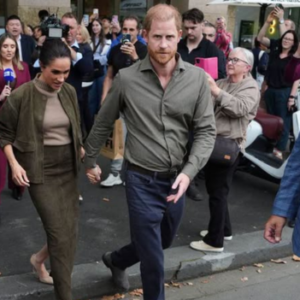
That distinction is crucial because Harry’s independent activities have sometimes been described as “quasi-royal” appearances. His and Meghan’s international trips have attracted attention partly because they resemble the kind of overseas engagements traditionally undertaken by working members of the royal family. A February 2026 trip to Jordan, for example, involved meetings connected with humanitarian organisations and displaced communities, while British diplomatic representatives were also involved. Critics argued that such activities blur the line between private advocacy and official royal representation, while supporters see them as evidence that Harry and Meghan can use their international profile to support causes without formally returning to royal duties.
The question of Harry’s possible return is also inseparable from his relationship with King Charles. Recent reporting has highlighted the possibility of renewed family contact, while other reports have emphasised the uncertainty surrounding how much formal involvement Harry could realistically have. The situation is complicated by security concerns surrounding Harry’s visits to Britain. Harry has continued to argue for appropriate security arrangements when he returns to the UK, and reports surrounding potential family visits have made clear that accommodation and protection remain important considerations. A spokesperson has stressed that the issue is not simply where Harry stays but whether adequate security arrangements are available during his public and private engagements.
Perhaps the biggest obstacle is Prince William. Harry’s relationship with his older brother remains one of the most closely watched aspects of the Sussex story, and speculation about reconciliation regularly produces headlines. Reports have suggested that William has maintained considerable distance, even as Harry continues to pursue humanitarian work and maintain links with other public figures. This creates a difficult reality for any potential royal comeback: a future arrangement would need to exist within a monarchy ultimately led by William, meaning personal reconciliation and institutional boundaries could become just as important as Harry’s own wishes. At present, there is no confirmed announcement that Harry is being restored to an official working-royal position.
For now, Harry appears to occupy an unusual middle ground. He is no longer a working royal, but he remains a member of the royal family; he lives independently, yet his humanitarian work can resemble royal service; and he has publicly maintained his connection to the monarchy while building a separate life with Meghan in the United States. That ambiguity may be exactly why his future continues to fascinate royal watchers. A formal return would require enormous changes, while a continued independent humanitarian role could allow Harry to remain connected to the values of public service without returning to the constraints of official royal duties. Whatever happens next, the central question is no longer simply whether Harry left the monarchy. It is whether he can find a way to remain part of the royal family on terms that are compatible with the life he has built outside it.