High Court Drama: Nottingham Forest Owner Evangelos Marinakis Sues Premier League Rivals Crystal Palace Over Controversial Selhurst Park Banner
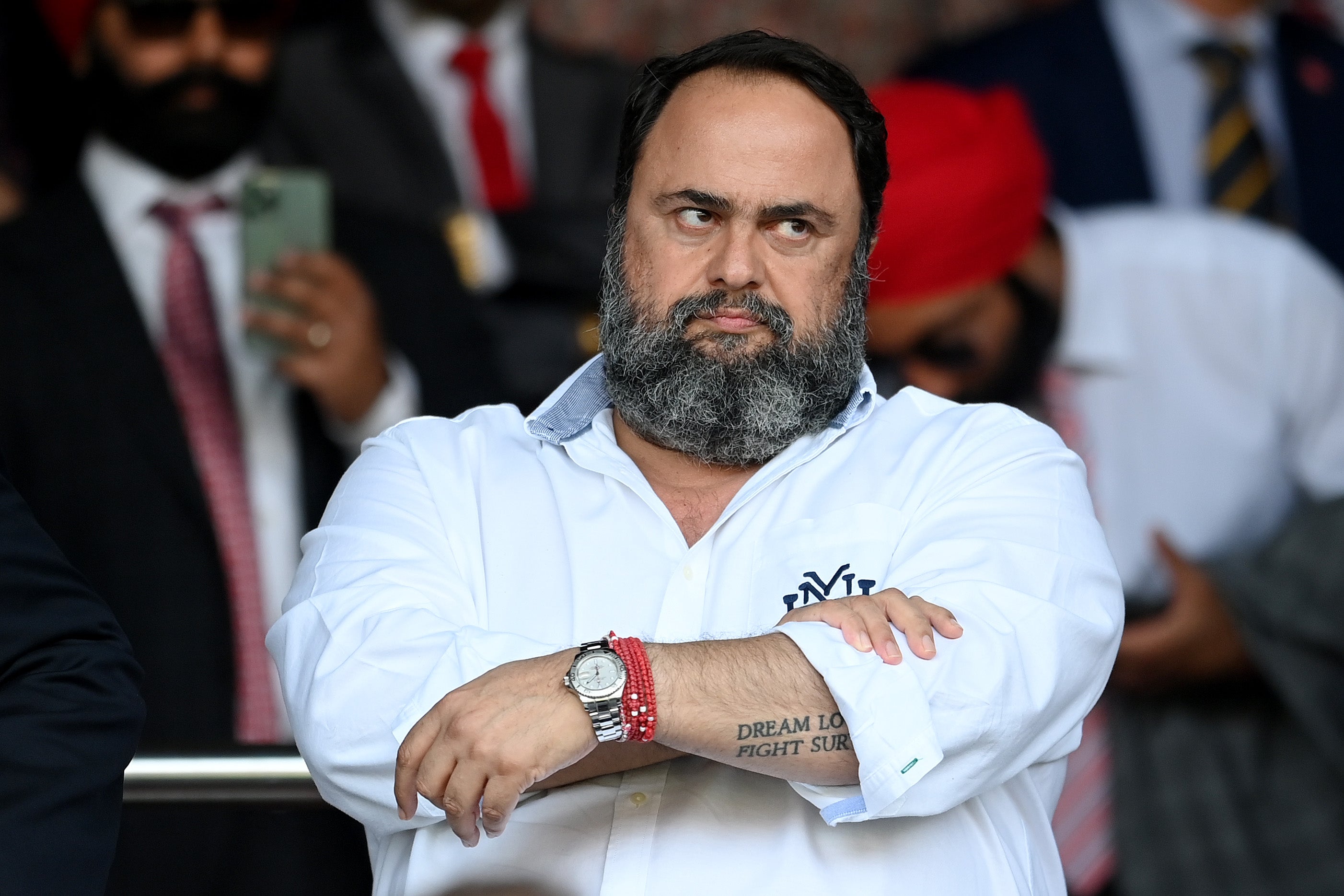
Nottingham Forest owner Evangelos Marinakis has launched high-stakes legal proceedings against Premier League rivals Crystal Palace in the High Court, lodging a formal claim for defamation following an extraordinary stadium banner incident at Selhurst Park. The legal action stems from a feisty 1-1 draw between the two sides last August, during which a section of Crystal Palace supporters unfurled a controversial display directed personally at the Greek shipping magnate. The banner in question featured a graphic image depicting Marinakis holding a gun to the head of Nottingham Forest midfielder Morgan Gibbs-White, accompanied by the provocative caption: “Mr Marinakis is not involved in blackmail, match-fixing, drug trafficking or corruption.” Marinakis has consistently and vehemently denied any involvement in any such criminal activity or wrongdoing, and his legal team has now taken formal action as the dispute moves into the courtroom.

The legal claim was officially lodged on Monday, arriving just prior to the expiration of the strict one-year limitation period applicable to defamation cases under English law. The high-profile court action marks a significant escalation in the ongoing friction between the two top-flight clubs, turning an off-pitch grievance into a landmark legal battle within English football. While football fans are accustomed to rivalry and terrace banter, the decision by a Premier League club owner to pursue civil defamation damages against a rival institution over fan-generated stadium displays introduces an unprecedented legal precedent to the sport.
Escalating Off-Pitch Bad Blood: UEFA Decisions and Managerial Snaps Fuel Rivalry
The defamation lawsuit comes against the backdrop of a bitter, long-running feud between Nottingham Forest and Crystal Palace that has steadily escalated over the past twelve months. Tensions initially flared a year ago following a administrative decision by European football’s governing body, UEFA, regarding multi-club ownership rules. The ruling resulted in Crystal Palace being demoted from the Europa League to the Europa Conference League, with Nottingham Forest benefiting directly from the decision by being promoted into the Europa League spot. The administrative swap left deep resentment among the Selhurst Park faithful, creating an exceptionally hostile atmosphere when the two teams faced off on the pitch shortly thereafter.

Adding further fuel to the inter-club hostility was the surprising movement of managerial talent between the two institutions. Oliver Glasner, who famously guided Crystal Palace to three major trophies during a highly successful tenure, departed Selhurst Park at the end of last season before being promptly hired by Nottingham Forest on a lucrative three-year contract. With the two clubs scheduled to meet again in a highly anticipated Premier League fixture at Selhurst Park on October 10, the impending court case ensures that their next meeting will take place under an intense public and legal spotlight.
“The Gibbs-White and Marinakis banner appeared while that European qualification row was still fresh in the clubs’ minds, compounding an already volatile relationship between the two Premier League sides.”
Regulatory Charges and Novel Legal Precedents in Defamation Law
The controversy surrounding the Selhurst Park banner has already attracted scrutiny from footballing authorities. Crystal Palace were officially charged by the Football Association (FA) last November under strict regulations regarding messaging inside stadiums. Although the FA charge did not explicitly single out the Marinakis display as the sole reason for the disciplinary action, governing body rules strictly prohibit the display of offensive, political, or defamatory slogans within football grounds.

Legal experts have highlighted the complex and unusual nature of the claim lodged by Marinakis. Jamie Hurworth, a defamation specialist at the law firm Payne Hicks Beach, noted that the timing of the filing indicates that prior out-of-court attempts to settle the dispute privately were likely unsuccessful. Hurworth explained that the High Court will face unique legal questions when determining liability and interpretation.
“This claim has been issued at Court shortly before the expiry of the one-year limitation period in defamation which could indicate that prior efforts to resolve the dispute have been unsuccessful,” explained Jamie Hurworth, defamation specialist at Payne Hicks Beach. “One of the first steps will be for the Court to determine how a reasonable reader would have interpreted the allegations on the banner which included an image of a gun being held to a player’s head, and whether that allegation is defamatory. There will also be a potentially novel legal issue to address given the banner was held up by Crystal Palace fans, rather than perhaps any allegations being made by or on behalf of the club itself.”
Silence from Selhurst Park as High Court Battle Looms
As the legal paperwork makes its way through the High Court system, Crystal Palace have officially declined to comment on the ongoing litigation or the specific allegations contained in the lawsuit. The club’s silence reflects the delicate nature of civil proceedings, particularly when dealing with fan behavior and stadium security responsibilities.
With a court date looming and a tense Premier League encounter scheduled for October 10, the legal battle between Evangelos Marinakis and Crystal Palace promises to remain one of the most compelling and closely watched off-pitch dramas in modern football. The outcome could have far-reaching implications for how Premier League clubs manage stadium displays and address potentially defamatory material within their grounds.