BURNING BRIDGES — Prince Harry Accused of Trying to Burn Down the Royal Family as Rift With Palace Deepens
Prince Harry has been accused of trying to “burn down” the Royal Family in a blistering new attack that has reignited the long-running debate over his relationship with the institution he once belonged to. The accusation comes from columnist Sarah Vine, writing in the Daily Mail, who reportedly argued that the Duke of Sussex and Meghan Markle have spent years damaging the monarchy through interviews, public statements, legal battles and revelations about life behind Palace walls. The language is deliberately explosive, but it reflects a broader criticism that has followed Harry since he and Meghan stepped away from their roles as senior working royals in 2020. Rather than quietly building a new life away from the institution, critics argue that the couple have repeatedly returned to disputes involving the Royal Family and the British media. Their interviews, documentaries and Harry’s memoir Spare have kept private family disagreements in the public spotlight, while his legal battles with newspapers and disputes surrounding security have ensured that his name remains closely connected to Britain and the monarchy. The latest criticism therefore arrives at a particularly sensitive moment, as Harry continues to maintain links with his homeland while reports suggest he could spend more time in the UK. For his critics, that raises an uncomfortable question: if Harry wanted distance from royal life, why does the conflict surrounding the family continue to dominate so much of his public story? (AOL)
At the centre of the criticism is the perception that Harry has never truly walked away from the institution he rejected. When Harry and Meghan announced their decision to step back as working royals, they presented it as a move toward greater independence and a more private life. Instead, their departure was followed by a series of revelations that exposed some of the deepest tensions within the Royal Family. Their interview with Oprah Winfrey became an international event, with allegations about their experiences inside the institution generating enormous debate. Harry later published Spare, offering an even more detailed account of his relationships with his father, King Charles, his brother Prince William and other members of the family. The book became a bestseller, but it also intensified accusations that Harry was profiting from exposing private family matters. Critics argue that each new revelation makes reconciliation more difficult because grievances that might once have remained private have become part of the public record. Supporters of Harry, however, have argued that he had the right to tell his own story after years of intense media attention and what he considered unfair treatment. That divide remains central to the debate surrounding him. To some, Harry is a man attempting to protect his wife and children while speaking openly about experiences he believes were damaging. To others, he is a royal who walked away from official duties but continues to use the family’s name and history as the foundation of his public profile. The latest “burn down” accusation reflects the second interpretation, portraying Harry’s actions not as self-defence but as an ongoing assault on the institution. (AOL)
Harry’s relationship with the British media has also become one of the defining themes of his life outside royal duties. He has repeatedly criticised sections of the press and has pursued legal action against media organisations, arguing that intrusive reporting and unlawful behaviour have caused serious harm. His hostility toward the press has also been connected to his memories of his mother, Princess Diana, whose life was relentlessly covered by photographers and newspapers before her death in 1997. Harry has drawn parallels between the treatment of Meghan and the treatment Diana experienced, suggesting that he fears history could repeat itself. Yet not everyone accepts that explanation. Ken Wharfe, a former protection officer for Diana, has reportedly challenged Harry’s interpretation, arguing that the Duke has misunderstood the relationship between the Royal Family and the media. Wharfe acknowledged that modern media intrusion can be extremely aggressive, but reportedly rejected the idea that the press alone explains Harry’s decision to leave Britain. He also argued that Diana ultimately accepted media intrusion as part of royal life. That criticism adds another layer to Harry’s increasingly complicated relationship with the press. His determination to challenge newspapers legally has become a central part of his public identity, but the legal battles have also ensured that he remains locked into the very media environment he appears to distrust. The irony has not escaped his critics: the more Harry fights the press, the more attention his disputes generate, keeping both him and the Royal Family at the centre of the news cycle. (Mandatory)
The conflict has also extended beyond newspapers and into Harry’s relationship with the British government and security arrangements. Since stepping down as a working royal, the Duke has repeatedly raised concerns about his security when visiting the UK. His position has been that he and his family should receive appropriate protection because of the risks associated with his public status. The issue has resulted in a prolonged legal dispute, adding another major point of tension between Harry and British authorities. Critics see this as another example of his continued struggle with the system he chose to leave, while Harry’s supporters argue that security is a genuine safety concern rather than a question of royal privilege. The dispute has become especially significant because Harry continues to have reasons to visit Britain, including charitable work and family matters. His desire for protection has therefore remained closely tied to the question of whether he can comfortably return to the country he once called home. At the same time, reports suggest that King Charles has continued to leave the door open for his younger son, despite the family’s history of disagreements. Recent reporting has even suggested that Harry could be offered accommodation at Buckingham Palace during a future UK visit, although reports have also highlighted lingering resentment among some Palace staff following his memoir and public revelations. The contrast is striking: the King may reportedly want reconciliation, while people within the institution may still feel deeply hurt by what Harry has said publicly. (Mandatory)
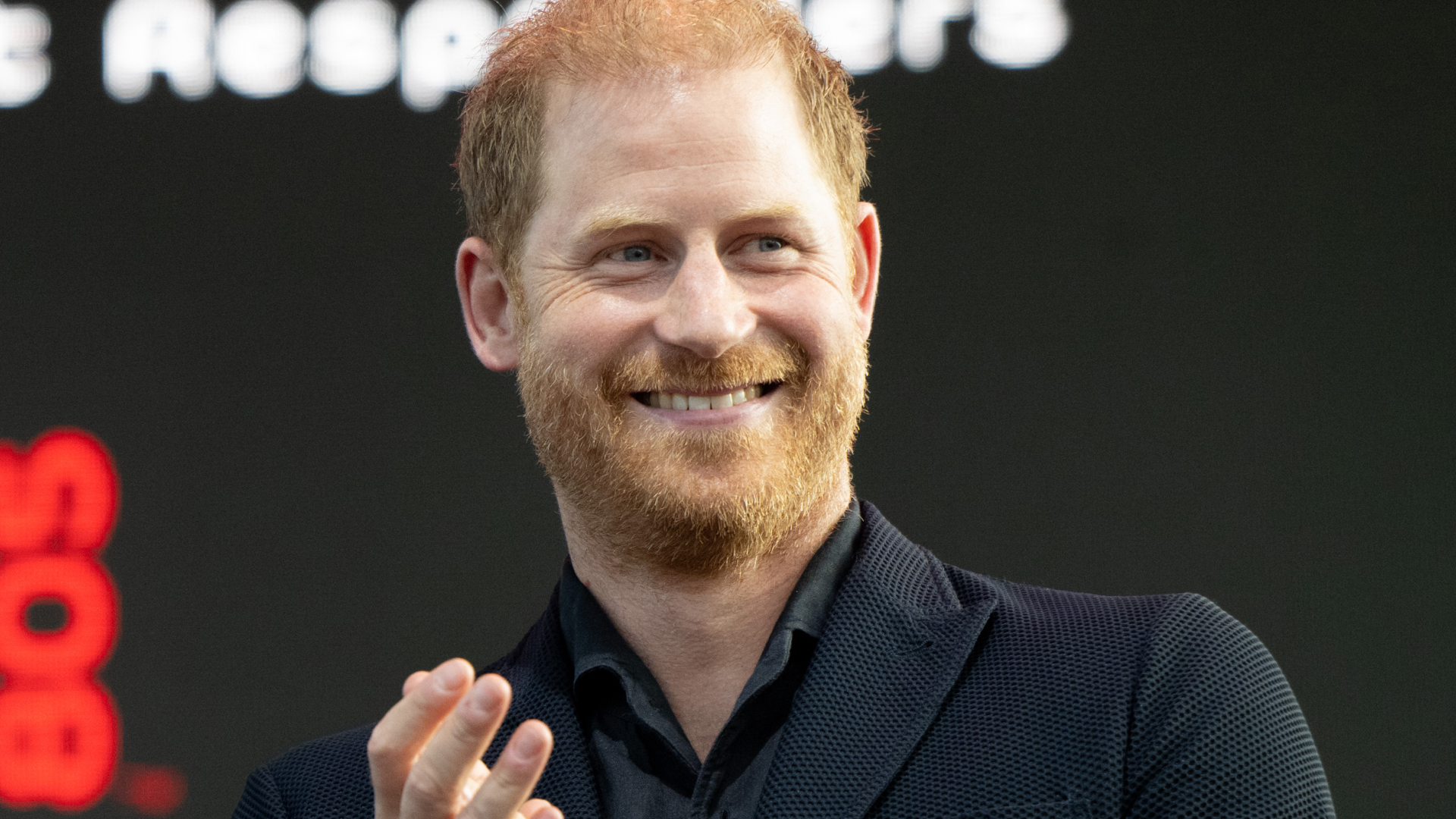
That reported willingness from Charles to maintain a connection with Harry creates an intriguing complication in the latest controversy. If the King truly wanted to cut his son out completely, there would presumably be little reason to continue offering gestures of reconciliation. Instead, reports have repeatedly suggested that Charles remains interested in repairing their father-son relationship. Harry’s position is more difficult to interpret. He has continued to criticise aspects of royal life while also expressing affection for his father and maintaining a desire to return to Britain. The result is a relationship that appears neither fully broken nor genuinely repaired. Harry can be physically distant from the monarchy while remaining emotionally and publicly entangled with it. Meghan’s presence has also become part of the debate, with critics frequently portraying the couple as acting together rather than separately. Recent reporting has questioned attempts to blame Meghan alone for controversial decisions, arguing that Harry is unlikely to be unaware of major choices involving their family and public image. This matters because the public narrative surrounding the Sussexes has often been divided into two competing versions: one in which Meghan is the driving force behind their disputes with the monarchy, and another in which Harry is an active participant who shares responsibility for their decisions. The latest criticism against Harry therefore represents a shift away from blaming Meghan alone and toward portraying the Duke himself as the central figure in the continuing royal conflict. (Reality Tea)
For the monarchy, the problem is that the Harry story refuses to disappear. King Charles has inherited an institution that must balance tradition with an increasingly modern public image, while Harry represents one of the most visible examples of a royal family member choosing a different path. Every new interview, legal dispute or public appearance has the potential to reopen old arguments. The criticism that Harry is trying to “burn down” the Royal Family is therefore less about one isolated statement than about the cumulative effect of years of conflict. His critics see a pattern: leave royal duties, establish a new life overseas, reveal private disagreements, criticise the press, pursue legal cases and then return to Britain while still demanding a place within the family’s wider story. His supporters see something entirely different: a man who has repeatedly fought for privacy, security and control over his own narrative after feeling betrayed by the institution that shaped his childhood. Neither interpretation has completely displaced the other. Indeed, the continuing disagreement may be precisely why Harry remains such a powerful figure in royal coverage. He is simultaneously inside and outside the story — a member of the family by birth but an outsider by role. That contradiction keeps the public fascinated and ensures that every reported meeting with Charles or William carries the possibility of another dramatic development. (AOL)
Ultimately, the latest accusation against Prince Harry illustrates just how far the relationship between the Duke and the Royal Family has travelled from a simple disagreement between relatives. The argument now involves questions of loyalty, privacy, media responsibility, security, money, public image and the future of the monarchy itself. Sarah Vine’s claim that Harry is attempting to “burn down” the institution is an opinion rather than an established fact, but it captures the anger felt by critics who believe his repeated public disclosures have caused lasting damage. At the same time, Harry’s supporters would argue that his actions are about protecting his family and reclaiming a narrative he believes was controlled by others for much of his life. King Charles’ reported attempts to maintain a relationship with his son suggest that the door to reconciliation may not be completely closed, even if trust remains fragile. Meanwhile, Harry’s continuing legal battles and public interventions ensure that the old conflict remains alive. The real uncertainty is whether the Sussexes and the Palace can eventually move beyond the cycle of accusation, revelation and reaction. Will Harry eventually choose peace with the Royal Family and leave the old battles behind — or will another explosive revelation reignite the feud and make the accusation that he is trying to burn down the monarchy even harder to dismiss? (AOL)