Prince William is reportedly determined to give his three children, Prince George, Princess Charlotte, and Prince Louis, a childhood that feels as ordinary and grounded as possible. According to royal author Simon Vigar, William has followed the example set by his late mother, Princess Diana, who made a conscious effort to ensure that he and Prince Harry experienced life beyond the restrictions and traditions of royal duties.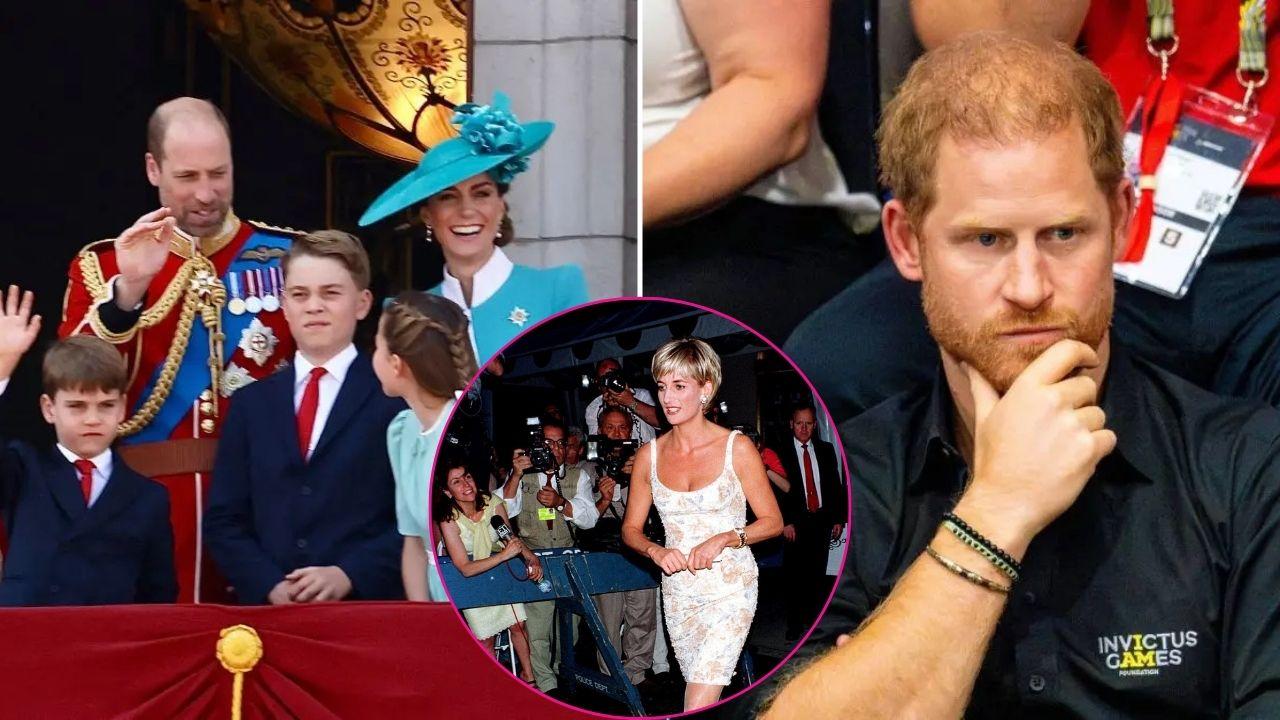
Vigar, the author of The Four Wives of Windsor, explained that Diana was one of the first members of the Royal Family to actively prioritise creating a more balanced upbringing for her sons. She wanted William and Harry to understand everyday life and remain connected to the world outside royal circles.
The royal author suggested that this approach has continued through William’s own parenting style with his children. He believes that George, Charlotte, and Louis have been given an even more typical childhood experience compared with what William and Harry had while growing up as members of the monarchy.
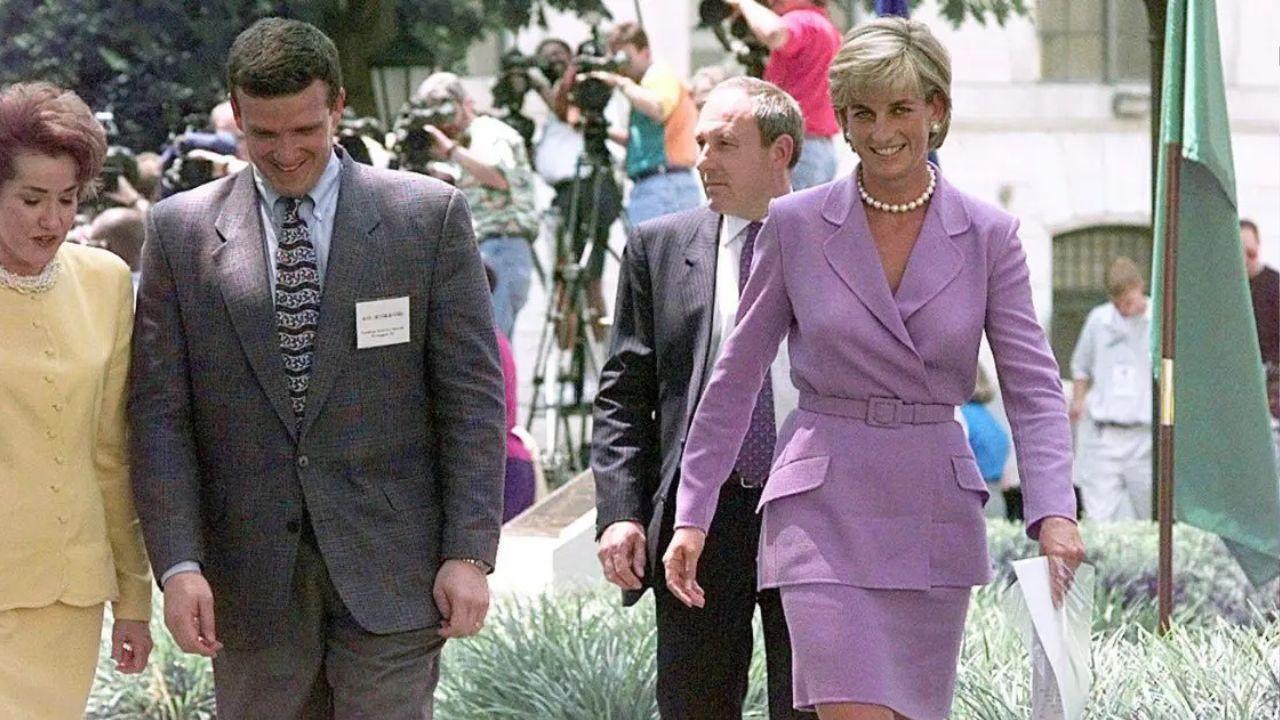
Diana, who died at the age of 36 in a car accident in Paris in 1997, became known for her different approach to royal parenting. Although she separated from then-Prince Charles in 1996, she remained deeply committed to raising her children and making sure they had opportunities to experience life outside palace walls.
Unlike previous generations of royals, Diana wanted her sons to understand ordinary routines and interact with people from different backgrounds. She believed that these experiences would help them become more compassionate, aware, and prepared for their future responsibilities.
One of the ways Diana encouraged a sense of normality was through simple family activities that were unusual for royal children. She famously took William and Harry to everyday restaurants, including fast-food establishments such as McDonald’s, allowing them to enjoy experiences that many children their age would consider normal.
Diana also introduced her sons to charitable work from a young age. She brought them to homeless shelters and encouraged them to see the challenges faced by people outside their privileged environment.
These experiences were intended to teach William and Harry empathy and responsibility. Diana believed that understanding the lives of ordinary people was an essential part of becoming effective public figures.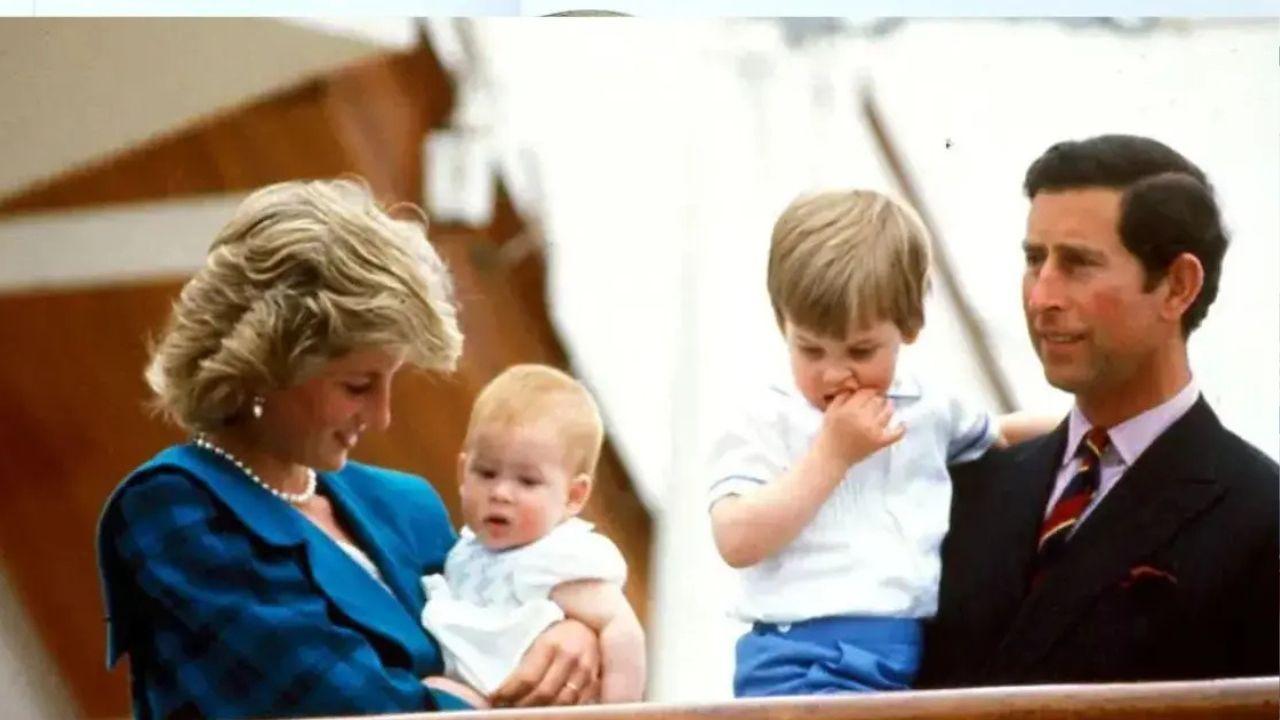
The Princess of Wales also worked hard to keep her children humble despite their royal status. She reportedly avoided allowing them to become overly focused on their position and encouraged them to appreciate what they had rather than expect special treatment.
One example of Diana’s approach was her decision to limit the number of gifts her children received from royal supporters. She wanted William and Harry to understand that they should not automatically accept every privilege offered to them simply because they were members of the Royal Family.
According to Vigar, William has continued some of these principles in raising his own children. The Prince of Wales has reportedly adopted similar ideas, aiming to ensure that George, Charlotte, and Louis grow up with a strong sense of normality despite their future roles within the monarchy.
William and his wife, Catherine, Princess of Wales, have often been seen encouraging their children to participate in everyday activities and family experiences. Their parenting style reflects a modern approach to royal life, focusing on family connection, emotional awareness, and personal development.
The couple has made efforts to protect their children from excessive public attention while also allowing them to gradually understand their responsibilities. They have been seen taking their children to school, attending sporting events, and participating in family occasions in ways that reflect a more traditional upbringing.
The goal is believed to be helping the children develop confidence and independence before they eventually take on greater public roles. William, having experienced both the advantages and pressures of growing up as a royal, understands the importance of providing emotional stability.
His childhood was very different from that of many children because of the intense attention surrounding the Royal Family and his parents’ highly public relationship. The challenges experienced during his early years, including his parents’ separation and Diana’s tragic death, have likely influenced his desire to create a more secure environment for his own children.
William has previously spoken about the impact his mother had on his life and how her values continue to shape his decisions. Diana’s focus on kindness, compassion, and understanding others has remained an important influence on the way he approaches his public duties and family responsibilities.
For William, providing a grounded upbringing for George, Charlotte, and Louis is not only about allowing them to enjoy ordinary experiences. It is also about preparing them to become future members of the monarchy who understand the importance of serving others.
The approach represents a continuation of Diana’s legacy. By encouraging her sons to experience life outside royal traditions, she helped shape William’s perspective on leadership and responsibility.
Today, William appears determined to pass those same lessons on to the next generation. Although George, Charlotte, and Louis are growing up with the expectations that come with being part of the Royal Family, their parents are working to ensure they also experience friendship, family moments, and everyday childhood experiences.
The balance between royal duty and personal freedom remains one of the biggest challenges facing the modern monarchy. However, through the influence of Princess Diana and William’s own experiences, the Wales family appears committed to creating a childhood environment that values both tradition and normality.
According to Simon Vigar, the efforts made by Diana decades ago continue to influence how William raises his children today. Her belief that royal children should understand the real world has become an important part of the way the future king approaches fatherhood.