Ruben Dias has emerged as the strongest candidate to become Manchester City’s new captain, with manager Enzo Maresca suggesting that Erling Haaland’s extraordinary goalscoring record could surprisingly work against the Norwegian striker in the race for the armband.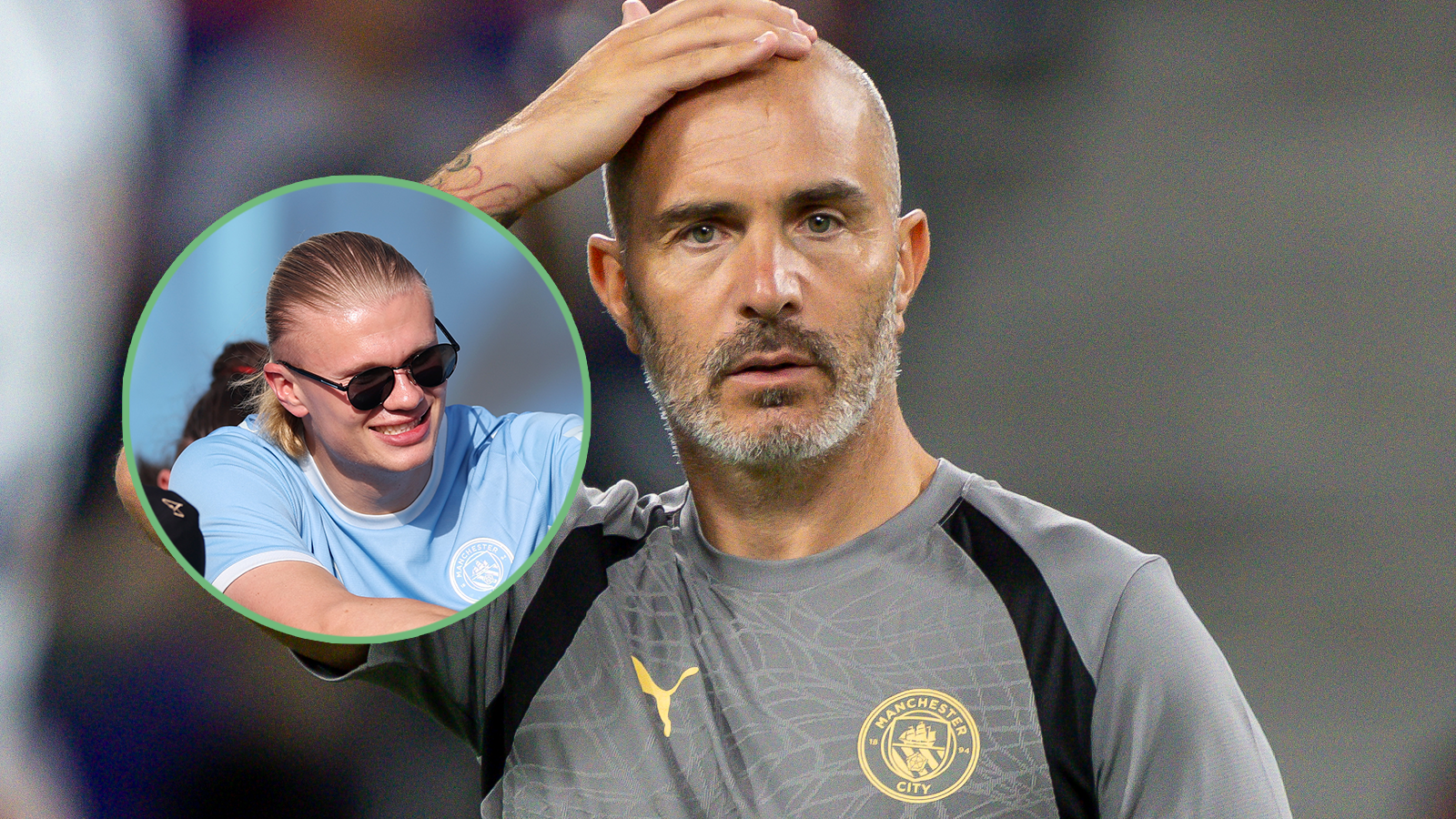
Maresca, who recently took charge at the Etihad Stadium, has not yet made a final decision regarding his permanent captain. Manchester City need to appoint a new leader following Bernardo Silva’s departure for Real Madrid. With changes taking place within the squad, the Italian coach is taking his time before confirming the complete leadership structure for the new season.
For the moment, Dias and Haaland are the two remaining members of the previous leadership group who appear certain to retain important roles. However, Maresca’s unusual tactical preference may give the Portuguese defender a significant advantage over his Norwegian teammate.
The new City manager likes to communicate tactical instructions immediately after his team scores. Rather than simply allowing the players to celebrate before restarting the match, Maresca often wants his captain to approach the technical area so that tactical adjustments can be discussed quickly.
That habit creates an obvious problem if Haaland is wearing the armband. The striker is City’s most prolific goalscorer and therefore regularly finds himself at the centre of the celebrations. Haaland scored an impressive 38 goals last season and has accumulated 162 goals during his four years with the club.
If Haaland were captain, Maresca joked, he might have little opportunity to enjoy celebrating his own goals because he would constantly be required to run over to the touchline to receive instructions.
This unusual consideration appears to strengthen Dias’s chances of being selected as City’s main captain. The central defender has already established himself as one of the most influential personalities in the dressing room and has repeatedly demonstrated his leadership qualities during his time in Manchester.
Maresca praised Dias for the authority and responsibility he has shown throughout his City career. However, the manager stressed that being named captain should not be viewed as a privilege that provides a player with greater freedom or special treatment.
Instead, Maresca believes the captain and other senior members of the leadership group must accept greater responsibility than their teammates. In his philosophy, wearing the armband means being expected to maintain higher standards, provide a strong example and contribute more to the team.
The Italian explained that he expects his senior figures to demonstrate why they deserve leadership positions through their behaviour and performances. Rather than receiving advantages, captains should understand that the manager will demand more from them because of their status within the squad.
Another player who would normally be an obvious candidate is Rodri. The Spanish midfielder, who captained his country to World Cup glory, was one of four senior members of Pep Guardiola’s leadership group last season.
However, uncertainty surrounds Rodri’s future at the Etihad Stadium. Barcelona have reportedly submitted two offers for the midfielder, creating speculation that he could leave Manchester before the transfer window closes.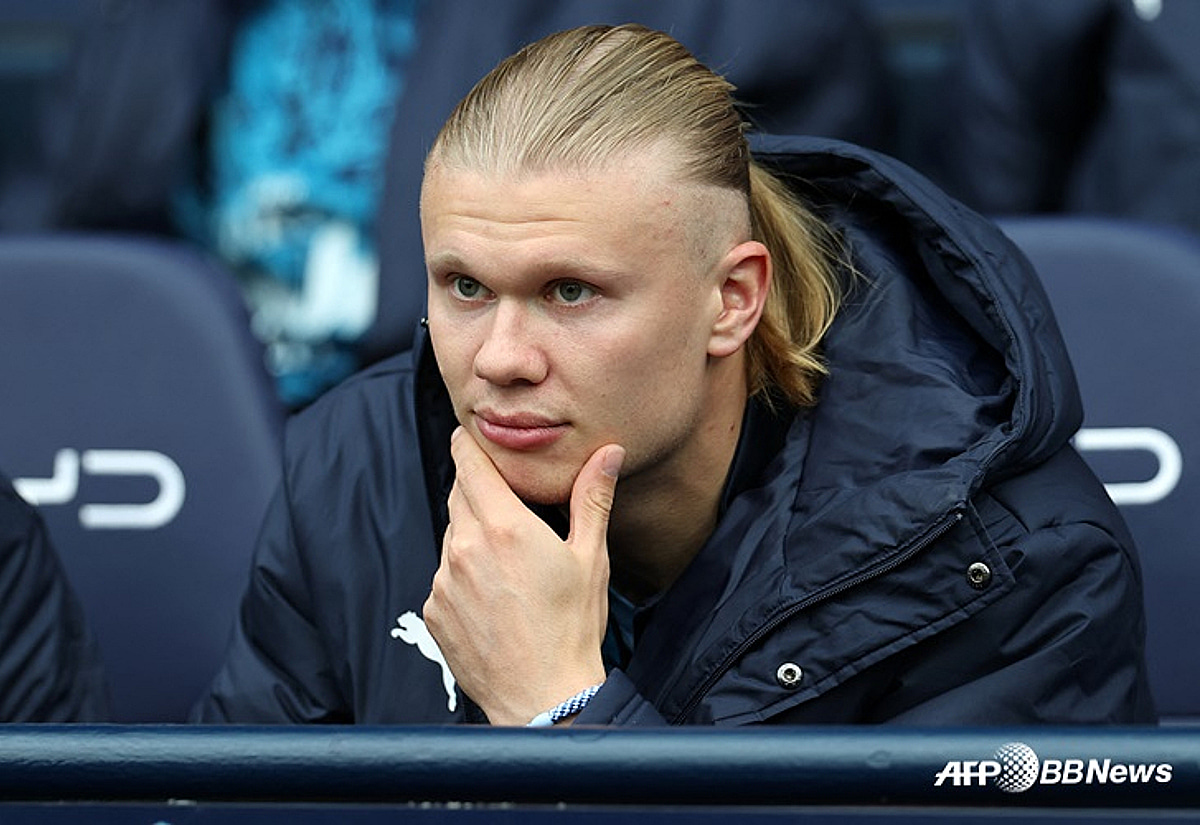
Maresca appeared to acknowledge that uncertainty when discussing his plans for the leadership group. He confirmed that Dias and Haaland are currently the only two players he has selected but explained that he intends to add another two after the transfer window has ended.
Waiting until then will allow the manager to understand exactly which players will remain at the club before making his final choices.
There is no shortage of potential candidates. Phil Foden could be considered because he is now Manchester City’s longest-serving first-team player. Having developed through the club’s academy before becoming one of its most important stars, Foden possesses a strong understanding of City’s identity and culture.
Goalkeeper Gianluigi Donnarumma could also be an option because of his experience captaining the Italian national team. Marc Guehi has leadership credentials of his own after captaining Crystal Palace during their successful FA Cup campaign, while experienced midfielder Mateo Kovacic represents another possible choice.
Before making those long-term decisions, Maresca must concentrate on his first competitive fixture as Manchester City manager. His side are scheduled to face Arsenal in the Community Shield on Sunday, providing an early test of the tactical ideas he intends to introduce.
The match could also feature a debut for Elliot Anderson following his record-breaking £116 million transfer from Nottingham Forest.
Maresca’s description of the England international has attracted particular attention. The City manager referred to Anderson primarily as a holding midfielder, potentially providing an indication of how he intends to use the expensive new signing.
That could become especially significant if Rodri departs. The Spanish midfielder has played a crucial role directly in front of City’s defence, providing stability in possession while protecting the back line. If he moves to Barcelona, Maresca will need to find a player capable of performing many of those responsibilities.
Anderson may be given the opportunity to fill that position. Maresca believes the young midfielder has enough versatility to operate in several different roles, including as a defensive No 6 or a more advanced No 8.
His age is another advantage from the manager’s perspective. Because Anderson is still developing, Maresca believes City’s coaching staff can work closely with him and improve different aspects of his game.
The Italian also pointed to Anderson’s previous midfield partnerships to explain why his role could evolve at Manchester City. At Nottingham Forest, Anderson frequently operated alongside Ibrahim Sangare, a midfielder with considerable physical presence. At international level with England, he has played next to Declan Rice, another player known for his strength and defensive qualities.
Those partnerships allowed Anderson to contribute in different areas of the pitch without always carrying the primary defensive responsibility himself.
However, Maresca does not believe Anderson necessarily requires a physically dominant midfielder beside him in every match. His role will instead depend on the opposition, City’s tactical approach and the specific requirements of each fixture.
In certain games, Anderson could operate as the deepest midfielder and control possession from directly in front of the defence. In others, he may be pushed further forward and asked to make runs into the penalty area, giving City an additional attacking threat from midfield.
This flexibility could become particularly valuable during a period of transition at the Etihad. Maresca is inheriting a squad that has enjoyed enormous success but is now undergoing important personnel and leadership changes.
The potential departure of Rodri would represent another major change, especially after Bernardo Silva’s move to Real Madrid. At the same time, the arrival of Anderson gives Maresca another talented midfielder around whom he can shape his tactical system.
The captaincy decision will therefore form part of a broader transformation taking place at Manchester City. While Haaland is undoubtedly one of the club’s biggest stars and most decisive players, his goalscoring responsibilities may make him less suitable for Maresca’s specific requirements from a captain during matches.
Dias, by contrast, appears ideally positioned to fulfil that responsibility. His defensive role means he can observe much of the action in front of him, communicate with teammates and approach the technical area when Maresca wants to make immediate tactical adjustments.
More importantly, the Portuguese international has already demonstrated the character, experience and leadership qualities that Maresca expects from his senior players.
Nothing has been officially decided yet, and the manager intends to wait until the transfer market closes before finalising his leadership team. Nevertheless, all indications currently point towards Dias being the favourite to inherit Manchester City’s captaincy.
Haaland is still expected to remain an important member of the leadership group, while two additional players will eventually join him and Dias. The identities of those players could depend partly on transfer developments, particularly the situation involving Rodri.
For now, Maresca’s immediate attention will be on the Community Shield and the beginning of his competitive career with Manchester City. The match against Arsenal should provide the first meaningful indication of how his tactical philosophy will work with his new squad.
It may also offer an early glimpse of City’s next generation of leaders, with Dias increasingly likely to be the player wearing the captain’s armband and Anderson potentially beginning his journey as the midfielder entrusted with an important role at the heart of Maresca’s new-look team.