ROYAL BABY JOY — Princess Eugenie Finally Reveals Her Daughter’s Name In Touching Tribute To Queen Elizabeth
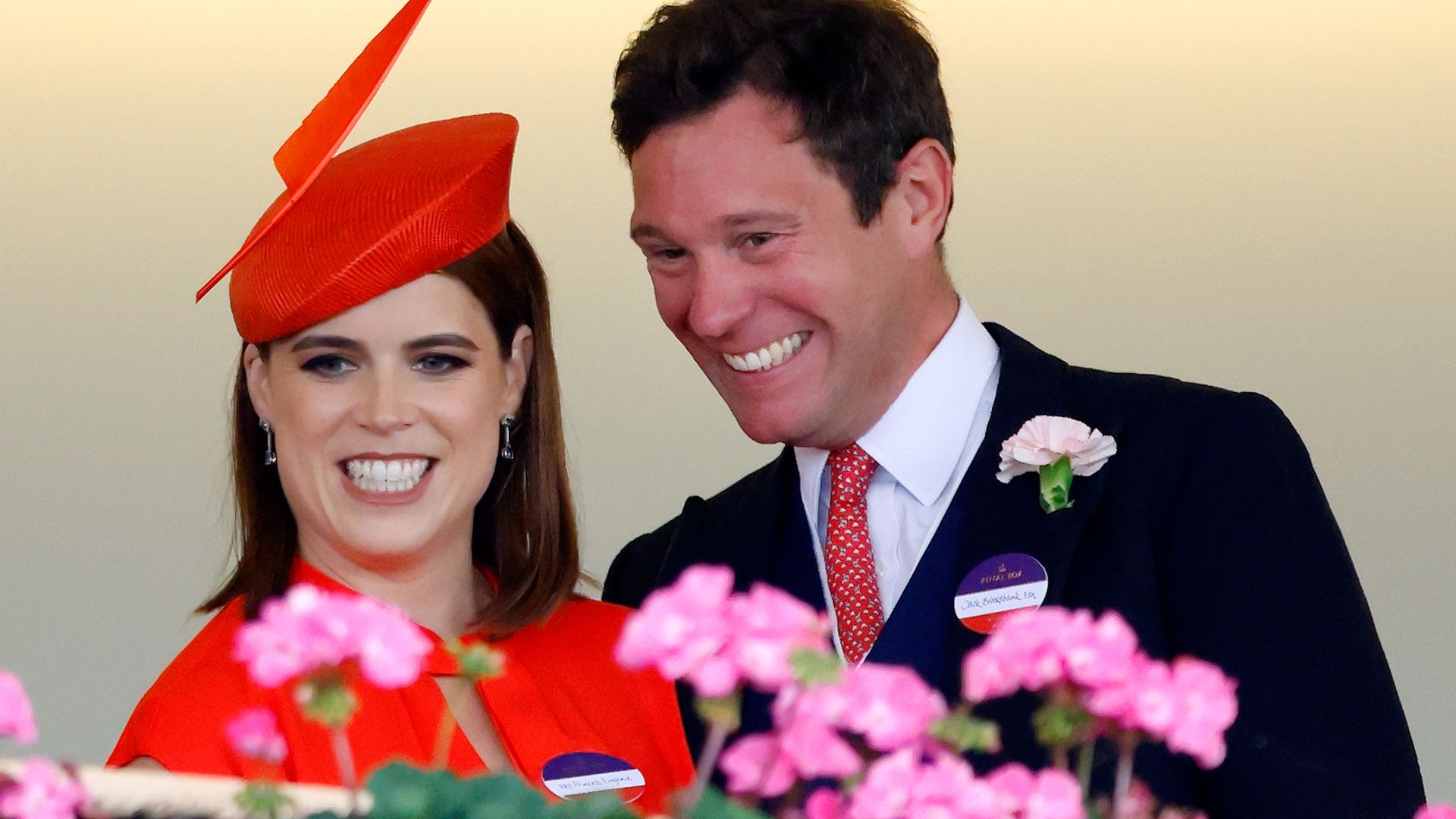
PRINCESS EUGENIE has finally revealed the name of her newborn daughter, bringing an emotional new chapter to the Brooksbank family after two weeks of waiting. Eugenie and her husband Jack Brooksbank welcomed their third child and first daughter on August 3 in Lisbon, Portugal, but chose not to immediately announce what they had named her. Now the couple have shared the news that their little girl is Adelaide Elizabeth Annina Brooksbank, a name carrying connections to royal history, family memories and the couple’s links to both Britain and Portugal. Eugenie shared the announcement on social media alongside photographs of the newborn, describing the period since her arrival as a particularly special and love-filled time. Adelaide joins her older brothers, five-year-old August Philip Hawke and three-year-old Ernest George Ronnie, who Eugenie said were already proving themselves to be wonderful big brothers. The baby was born weighing 6lb 9oz at a hospital in Lisbon, where the family spends part of its time. Her arrival makes her the couple’s third child and first daughter, adding another young member to the extended British royal family. She is also 15th in line to the throne, behind her two older brothers. The announcement attracted immediate attention not simply because Eugenie had welcomed a daughter, but because the carefully selected name revealed a series of deeply personal tributes. (Vogue)
,type=downsize)
The decision to wait two weeks before announcing Adelaide’s name has also added to the sense of anticipation surrounding the royal baby. Eugenie announced the birth itself earlier this month, sharing the happy news that she and Jack had welcomed their “girl.” But unlike some royal parents who announce a name within days, the couple took time before revealing the identity they had chosen for their daughter. That delay gave royal watchers plenty of opportunity to speculate about what the baby might eventually be called. The eventual choice of Adelaide Elizabeth Annina is significant because it combines historical royal connections with more intimate family references. Eugenie explained that the name was chosen after three people whom she and Jack love and admire, both from the past and present, while also highlighting its connection to English and Portuguese history. The family’s connection to Portugal is particularly relevant because Adelaide was born in Lisbon, where the Brooksbanks have established part of their family life. The couple married in 2018 at St George’s Chapel at Windsor Castle and subsequently welcomed August in 2021 and Ernest in 2023. Their children’s names have consistently reflected family history, meaning the arrival of their first daughter offered another opportunity to continue that tradition. The result is a name that feels both unmistakably royal and distinctly personal to Eugenie and Jack. (Town & Country)
Perhaps the most emotional element is the inclusion of Elizabeth, a clear tribute to Eugenie’s late grandmother, Queen Elizabeth II. Eugenie has previously spoken warmly about her relationship with the former monarch, and naming her daughter Elizabeth gives the newest member of the Brooksbank family a direct connection to one of the most important figures in Eugenie’s life. Queen Elizabeth died in September 2022 after a 70-year reign, and her death represented a profound change for the entire Royal Family. For Eugenie, the decision to include Elizabeth in her daughter’s name means that her grandmother’s memory will remain part of the next generation. The tribute is also consistent with a wider royal tradition of honouring previous generations through children’s names. Adelaide’s middle name therefore carries emotional significance beyond simply sounding traditional. It creates a permanent link between a newborn great-granddaughter and a monarch whose reign shaped Eugenie’s childhood and adult life. The name also reflects the way royal families often preserve personal history through successive generations. In Adelaide’s case, that history is especially meaningful because she has arrived after the Queen’s death and will never know her great-grandmother personally. Yet through her name, a part of that relationship will remain.
 (
(The first name, Adelaide, meanwhile, has its own fascinating royal history. Queen Adelaide was the wife of King William IV and served as queen consort during the early 19th century. The name therefore gives Eugenie’s daughter a connection to a previous generation of British royalty, long before Queen Elizabeth II’s reign. There may even have been a subtle clue about Eugenie’s affection for the name years before her daughter was born. During her 2018 wedding to Jack Brooksbank at St George’s Chapel, Eugenie wore diamond ear brooches that had previously belonged to Queen Adelaide. The connection is particularly striking because Queen Adelaide is buried at St George’s Chapel, meaning the location of Eugenie’s wedding already carried a direct association with the royal figure whose name has now been given to her daughter. That coincidence has prompted renewed interest in Eugenie’s wedding choices and whether the name may have held significance for her long before Adelaide Brooksbank arrived. The name also has a connection to Australia through the city of Adelaide, which was named in honour of Queen Adelaide. In that sense, Eugenie’s choice combines family sentiment with a broader piece of royal history. It is not simply a fashionable first name; it carries a story that stretches across generations and countries. (People.com)
Annina appears to provide the most personal and less immediately obvious part of the name. Unlike Elizabeth and Adelaide, which have clear royal historical associations, Annina has been described as having a personal connection to the family. Reports have indicated that the name is linked to someone close to Eugenie and Jack, adding a more intimate element to the baby’s full name. The combination therefore creates an interesting balance. Adelaide connects the child to royal history, Elizabeth preserves the memory of Eugenie’s grandmother and Annina reflects a personal relationship from the couple’s own lives. The Portuguese connection is also important because Eugenie and Jack have chosen to spend significant time in Portugal, and their daughter was born there. Eugenie herself highlighted the fact that the name forms part of English and Portuguese history, suggesting that the location where the family currently spends time has become meaningful to them. This is also consistent with the couple’s approach to naming their older children. August Philip Hawke Brooksbank’s name included references to royal and family figures, while Ernest George Ronnie Brooksbank was named in honour of ancestors and grandparents. Adelaide’s name therefore continues a clear pattern: each child receives a name that carries a story rather than being chosen purely for sound or popularity. (AP News)
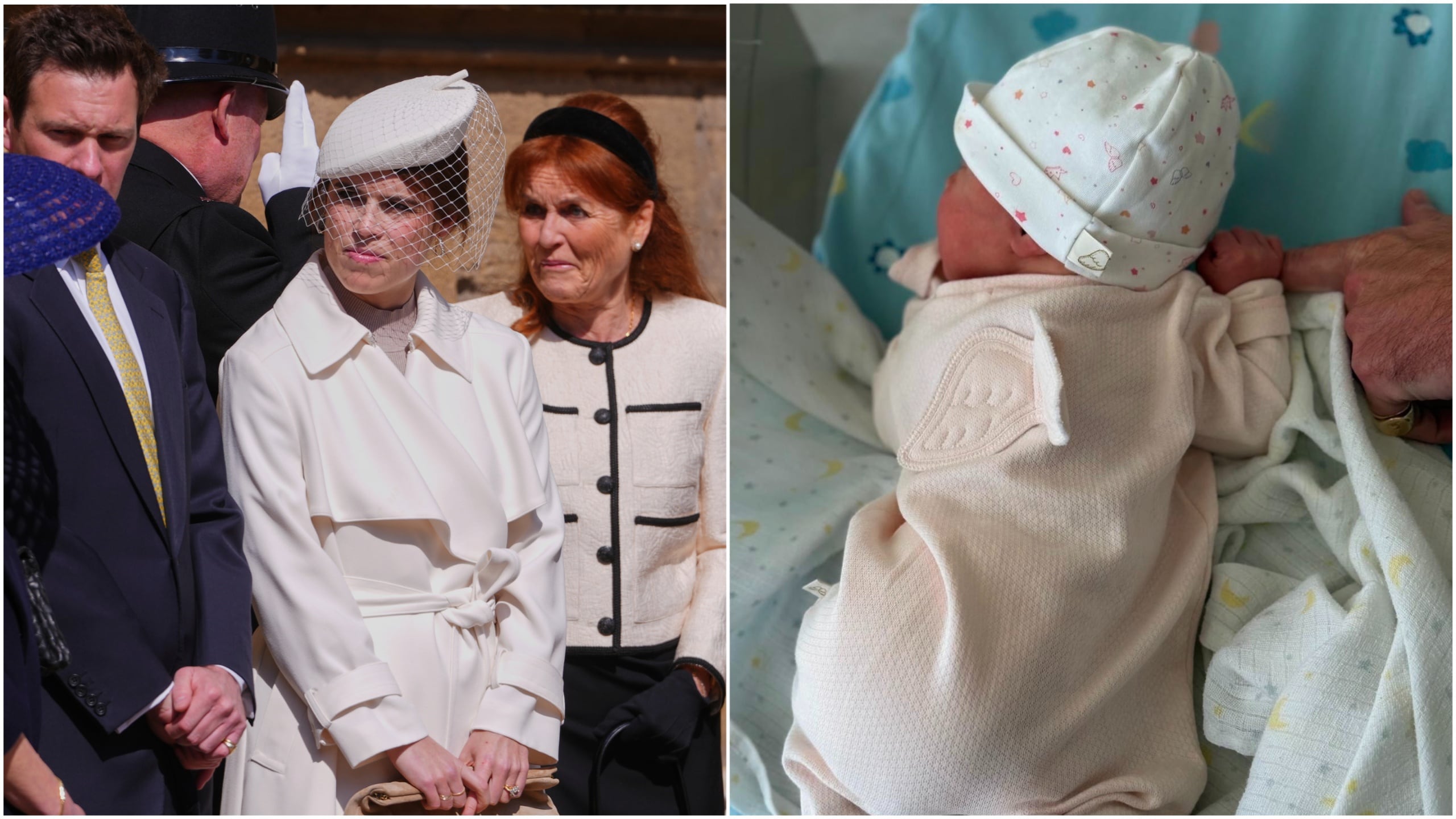
The arrival of Adelaide also changes the dynamic within Eugenie and Jack’s young family. August and Ernest have now become big brothers, and Eugenie’s announcement specifically celebrated the boys’ reaction to their new sibling. The couple’s previous birth announcements have similarly focused on family rather than ceremony, offering glimpses of their private lives while keeping their children largely away from the intensity of royal publicity. Adelaide’s arrival continues that approach. Although she is a member of the wider Royal Family and has a place in the line of succession, Eugenie and Jack are not working royals and have generally maintained a comparatively private family life. Their children do not carry royal titles, despite remaining members of the extended royal family. That allows the Brooksbank children to occupy a different position from the children of the Prince and Princess of Wales, whose future roles within the monarchy are far more clearly defined. Adelaide’s position as 15th in line is therefore significant in constitutional terms, but it is unlikely to dictate her everyday life in the way that it will for children much closer to the throne. Her arrival instead represents another branch of the next royal generation, growing up with connections to both Britain and Portugal. For Eugenie, it is also a chance to create a family life that blends tradition with modern choices. (Vogue)
Ultimately, Princess Eugenie’s decision to name her daughter Adelaide Elizabeth Annina Brooksbank has transformed what initially seemed like a simple royal baby announcement into a deeply meaningful family story. The baby arrived in Lisbon on August 3, weighing 6lb 9oz, and spent her first two weeks surrounded by her parents and two older brothers before her name was finally revealed. Adelaide honours a historic queen and potentially reflects the family’s connection to Portugal; Elizabeth pays tribute to Queen Elizabeth II, Eugenie’s beloved late grandmother; and Annina carries a more personal connection close to the couple. Together, the names create a bridge between the past, present and future of Eugenie’s family. Her sons August and Ernest now have a little sister, while the wider Royal Family has welcomed another member of its youngest generation. Perhaps most touching is Eugenie’s emphasis on the quiet family time they have enjoyed since Adelaide’s birth, suggesting that behind the royal significance of the announcement lies something much simpler: the arrival of a long-awaited daughter. As the family settles into life with three children, Adelaide’s name will ensure that several important people, places and memories remain part of her story from the very beginning. But with such a carefully chosen name linking Queen Elizabeth, royal history and the family’s Portuguese connection, could Princess Eugenie’s daughter’s arrival mark the beginning of an entirely new chapter for the Brooksbank branch of the Royal Family? (Vogue)