Wayne Rooney Reveals Plastic Surgery to Repair Nose Broken Twice During Playing Career
Wayne Rooney has disclosed that he recently underwent plastic surgery to correct long-term damage to his nose caused by two separate breaks sustained during his football career. The former England captain, appearing on the first episode of the Manchester United-focused podcast Stick to United alongside co-host Mark Goldbridge, explained that he was only a week removed from the operation and was still dealing with the immediate after-effects.
Rooney told listeners that he considered himself fortunate not to be left with black eyes, but confirmed he still had two plastic tubes inserted in his nostrils. The tubes, which affected the tone of his voice during the recording, were due to be removed shortly. “It’s actually really lucky I’ve got no black eyes, but I’ve still got two plastic tubes up my nose, which are coming out very soon,” he said. “I can’t wait for them to come out. So, they’ve cut here (under my nostrils)… So, that’s all stitched – a little bit uncomfortable.”

Origin of the Injuries
The first break occurred in 2015 while Rooney was playing for Manchester United in an FA Cup tie against Preston North End. He recalled the match chiefly for a penalty he won, which he admitted involved “a bit of a dive.” During the same 3-1 victory at Deepdale, his team-mate Marouane Fellaini also suffered a broken nose. Fellaini missed subsequent games as a result; Rooney did not. He continued playing without taking time off to address the injury.
The second, more serious fracture took place three years later after Rooney had moved to Major League Soccer side DC United. In a 2-1 win over the Colorado Rapids—the match in which he scored his first goal for the American club—he was caught by the back of Niki Jackson’s head following a push by one of Jackson’s team-mates. Rooney finished the game with a bloodied face and later developed a significant black eye. He described that incident as “a bad one.”

Decision to Undergo Surgery
Despite the cumulative damage, Rooney postponed corrective surgery for several years. Breaking the nose more than once commonly affects the septum and surrounding cartilage and can lead to persistent breathing difficulties. He finally decided to proceed this summer once the World Cup had concluded. “So I needed surgery, but I’ve never had it. Put it off. And then this summer I thought get the World Cup out of the way and I’ll get it done. So had it done last week. Went well, but these tubes were horrible,” he explained.
The plastic tubes inserted during the procedure serve a practical purpose: they keep the nostrils open while the internal structures heal and help maintain the airway. Their presence is temporary, yet Rooney made clear they were a source of considerable irritation in the days immediately after the operation. The external incision beneath the nostrils had been stitched and remained tender at the time of the podcast recording.
Context of a Physical Career
Rooney’s willingness to play through the first break and delay treatment for the second fits a broader pattern familiar to many professional footballers of his generation. Facial injuries were often managed conservatively so that players could remain available for selection. Only when the long-term functional consequences became impossible to ignore did he schedule the operation. By waiting until a natural break in the football calendar, he minimised the impact on any playing or media commitments.

The podcast appearance itself offered listeners an unvarnished account. Rooney’s voice was audibly altered by the nasal packing, and he made no attempt to downplay the discomfort. At the same time he expressed satisfaction that the surgery had been completed successfully and that the most visible signs of trauma—black eyes—had not materialised. The tone was pragmatic rather than dramatic: an experienced former player dealing with the delayed consequences of an occupational hazard.
Recovery and Public Reaction
Medical specialists note that septoplasty or related reconstructive procedures following repeated nasal fractures are relatively common among contact-sport athletes. The principal goals are to restore the nasal airway, correct any deviation of the septum and improve both breathing and, where necessary, appearance. Rooney did not dwell on cosmetic considerations; his comments focused on the functional repair and the temporary inconvenience of the post-operative tubing.
Listeners to Stick to United heard the story in the context of a wider conversation about Rooney’s career and his continuing association with Manchester United. The revelation added a small, human detail to the public record of a player who scored record numbers of goals for club and country while absorbing the physical cost that such a career exacts. The fact that he waited years before addressing the damage underscores how normalised certain injuries become inside the professional game.
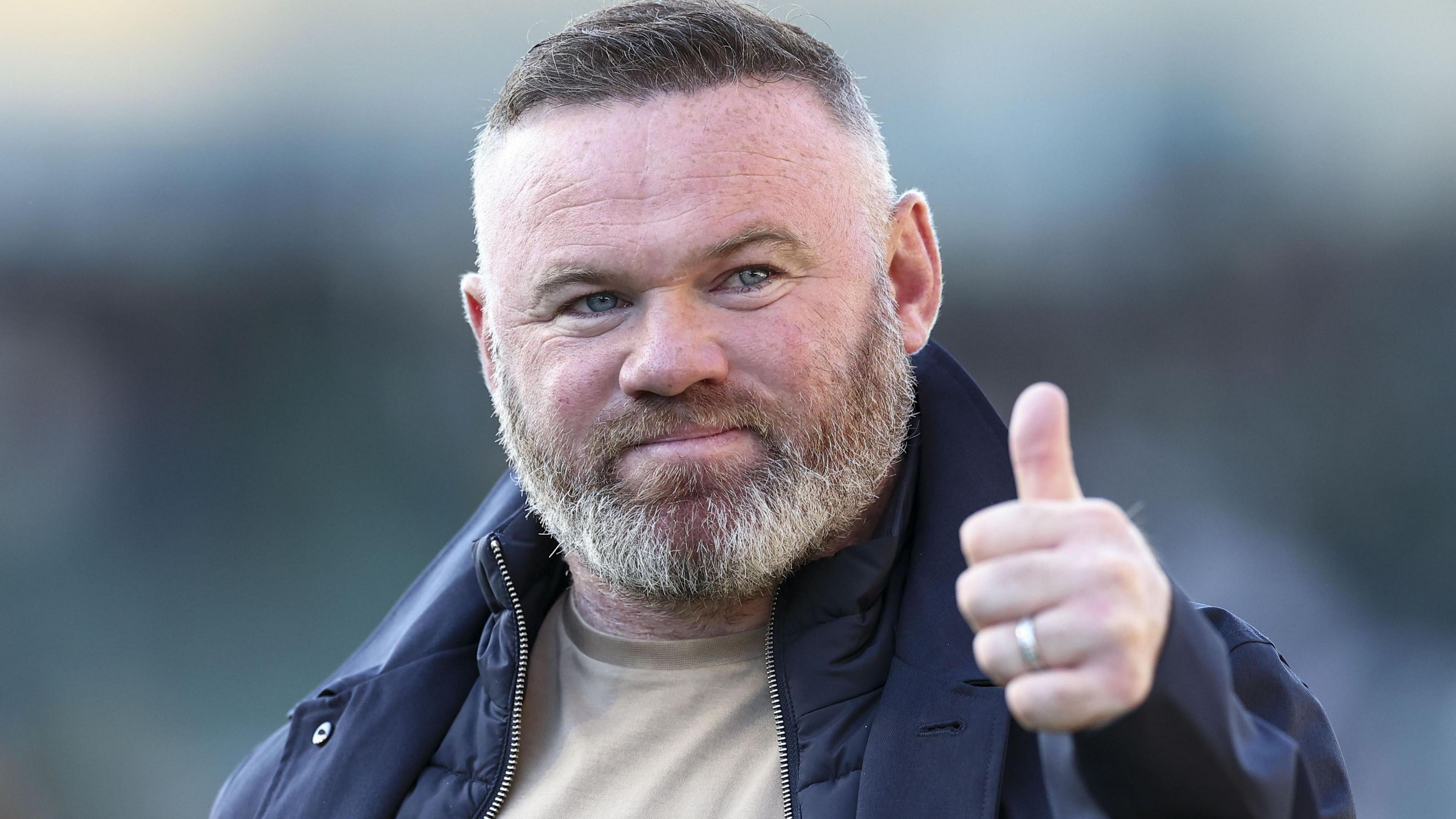
As the tubes are removed and the external stitches dissolve, Rooney is expected to return to his normal speaking voice and daily routine. The operation closes a minor but persistent chapter that began with a challenge at Deepdale in 2015 and was aggravated by a collision in Colorado three years later. For a player whose career was defined by intensity and durability, the decision to undergo surgery only after prolonged delay is consistent with the approach he took to most physical setbacks: acknowledge the problem, continue working, and deal with it properly when time finally allows.
The podcast episode captured that attitude in real time. Rooney sat with plastic tubing still in place, described the cuts and discomfort without embellishment, and looked forward to the moment the temporary supports could be taken out. In doing so he provided a straightforward account of an injury many fans had long forgotten, and of the quiet surgical correction required to put it right more than a decade after the first break.