THE ROYAL EXCEPTION — Why King Charles Appears To Give Zara Tindall A Freedom Other Royals Rarely Enjoy
King Charles III has long been associated with a reserved public style, but there is one member of his family who appears to bring out a noticeably warmer and more relaxed side of the monarch: his niece, Zara Tindall. The daughter of Princess Anne has never been a working royal, yet she remains a familiar and popular presence at major family occasions. Her unusual position gives her a level of freedom that many senior royals do not have. Zara can attend major events, support family members and appear alongside the King without carrying the formal burden of being a full-time working member of the monarchy. That combination of family loyalty and personal independence has made her a particularly interesting figure within the Royal Family. Charles has been photographed embracing Zara at events such as Royal Ascot, where the pair have appeared remarkably affectionate by traditional royal standards. In fact, body-language commentary has previously highlighted Zara as someone who seems able to make the King visibly relax in public. (Showbiz Cheat Sheet)

What makes the relationship so fascinating is that Charles has historically been associated with a relatively restrained approach to public displays of affection. Royal protocol has traditionally encouraged members of the family to remain composed during official appearances, particularly when representing the Crown. While these expectations have softened considerably in recent years, Charles still tends to present himself with a formal manner when carrying out his duties as monarch. Zara, however, appears to be an exception to that pattern. Body-language expert Judi James previously observed that Zara has always been relaxed and demonstrative with her uncle, while Charles appears comfortable receiving that affection. The pair have been seen hugging and sharing affectionate greetings, creating a striking contrast with the more controlled interactions Charles often has with other members of the family. The relationship is particularly interesting because Zara is not simply another royal relative. She is the daughter of Princess Anne, one of the King’s closest siblings, and has grown up within the family while deliberately remaining outside the formal structure of working royal life. (Showbiz Cheat Sheet)
Zara’s position within the monarchy helps explain why she can maintain this unusual balance. Unlike her mother, Princess Anne, Zara does not undertake official royal duties on behalf of the sovereign. She is also not a princess, despite being the King’s niece, because Anne and Mark Phillips chose not to give their children royal titles when they were born. Instead, Zara developed a career and public identity largely independent of the monarchy, becoming an accomplished equestrian and representing Britain at the 2012 London Olympics, where she won a silver medal as part of the eventing team. She therefore has a genuine achievement outside her royal connections. That independence has arguably allowed her to develop a more relaxed relationship with the wider family. She can support Charles at important occasions without having to maintain the same level of institutional visibility as senior working royals. The result is a rare combination: Zara is close enough to the centre of the family to be present at major events, but far enough away from the formal machinery of the monarchy to retain considerable personal freedom. (Yahoo)
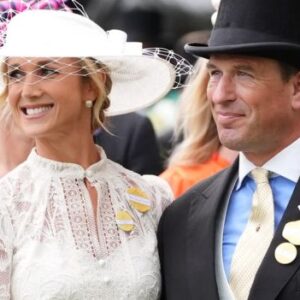
Her close relationship with Charles has also become increasingly visible at events where the wider family gathers. Royal Ascot is perhaps the clearest example. Zara has regularly appeared at the prestigious racing meeting alongside her mother, her husband Mike Tindall and other members of the Royal Family. In 2024, she was among the relatives joining Charles and Queen Camilla during the opening days of the event, and photographs captured the warmth between Zara and her uncle. Her presence at Ascot is not unusual because the family has a long association with horse racing and equestrian sport, but the way Charles interacts with her can attract attention. Zara’s sporting background and informal personality fit naturally into an environment where the King can temporarily step away from some of the formality of state occasions. Her presence also reinforces the importance of the extended family to Charles. Although the monarchy has increasingly emphasised a smaller group of senior working royals, personal relationships within the wider family remain important, particularly at traditional events. (Royal Central)
There is another reason Zara occupies such an unusual position: she has become a dependable member of the wider royal support network without officially being part of the working Firm. Her appearances are generally selective rather than constant, which arguably makes them more noticeable. In 2026, for example, Zara made a surprise appearance at a Buckingham Palace garden party to support her cousin Prince William while he represented Charles. The event demonstrated how members of the extended family can step forward when needed without becoming full-time working royals. Zara joined other relatives at the gathering, providing visible support while retaining the independence that has defined her life. Her willingness to appear at important occasions can therefore be valuable to the monarchy, particularly at a time when the institution is focused on maintaining a manageable number of working members. Yet she does this without surrendering the freedom she has enjoyed throughout her adult life. (Tatler)
That distinction may become increasingly important as the monarchy continues to evolve. Charles has spoken and acted in ways consistent with a desire for a more streamlined institution, while Prince William is expected to continue shaping that approach when he eventually becomes king. In that environment, relatives such as Zara can occupy an interesting middle ground. They may not perform official duties every day, but they can still provide family support, attend major occasions and contribute to the public image of a united monarchy. Zara’s relationship with William is also understood to be close, and her presence at events supporting him shows that the younger generation of the extended family can remain connected even without formal titles or official positions. This is particularly significant following the departures of Prince Harry and Meghan Markle from senior royal duties. The monarchy has had to find ways to balance a smaller working structure with the reality that royal occasions are still family occasions. Zara appears to offer precisely the kind of informal support that can strengthen those connections without creating another full-time royal role. (Geo News)
Ultimately, the fascination surrounding King Charles and Zara Tindall comes from the contrast between royal duty and family affection. Charles may be the monarch, but around Zara he appears able to behave more like an uncle than a king. Her lack of a formal royal title, sporting achievements and independent public life give her a freedom that distinguishes her from many other members of the family, while her closeness to Anne, William and Charles keeps her firmly connected to the heart of the Royal Family. Whether attending Ascot, supporting William at a garden party or simply sharing a warm embrace with her uncle, Zara has repeatedly demonstrated that she can move comfortably between two worlds. She is close enough to the Crown to matter, yet distant enough from its formal obligations to remain her own person. And perhaps that is exactly why Charles seems so willing to make an exception for her — but as the monarchy becomes smaller and increasingly dependent on its closest family allies, could Zara’s unique position eventually make her even more important to the future of the Royal Family? (Showbiz Cheat Sheet)