Prince William and Princess Kate Face Wildlife Warnings Near Their Windsor Home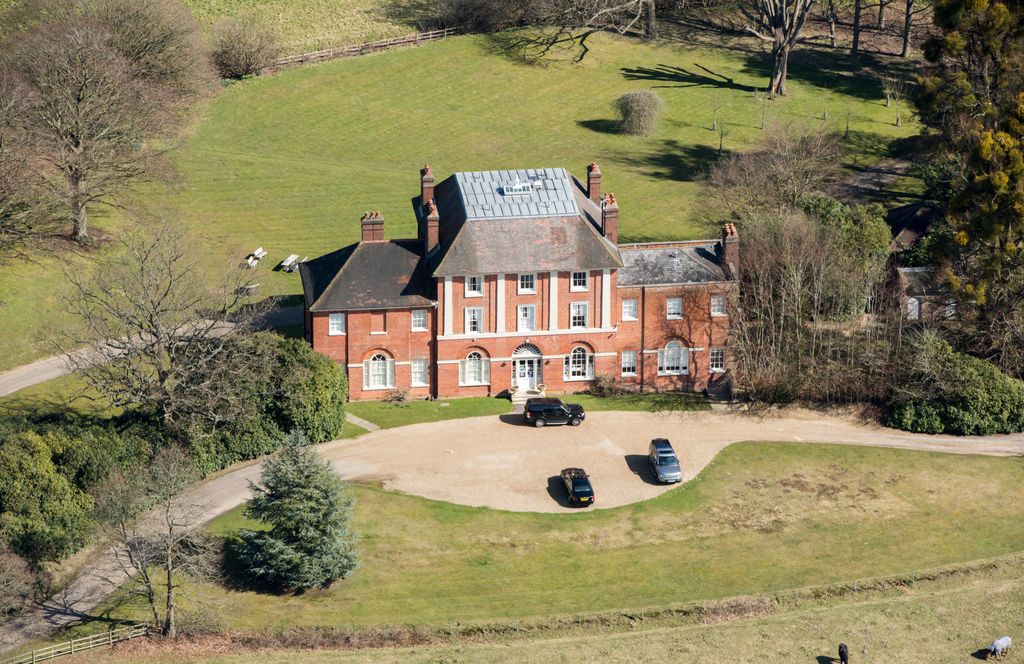
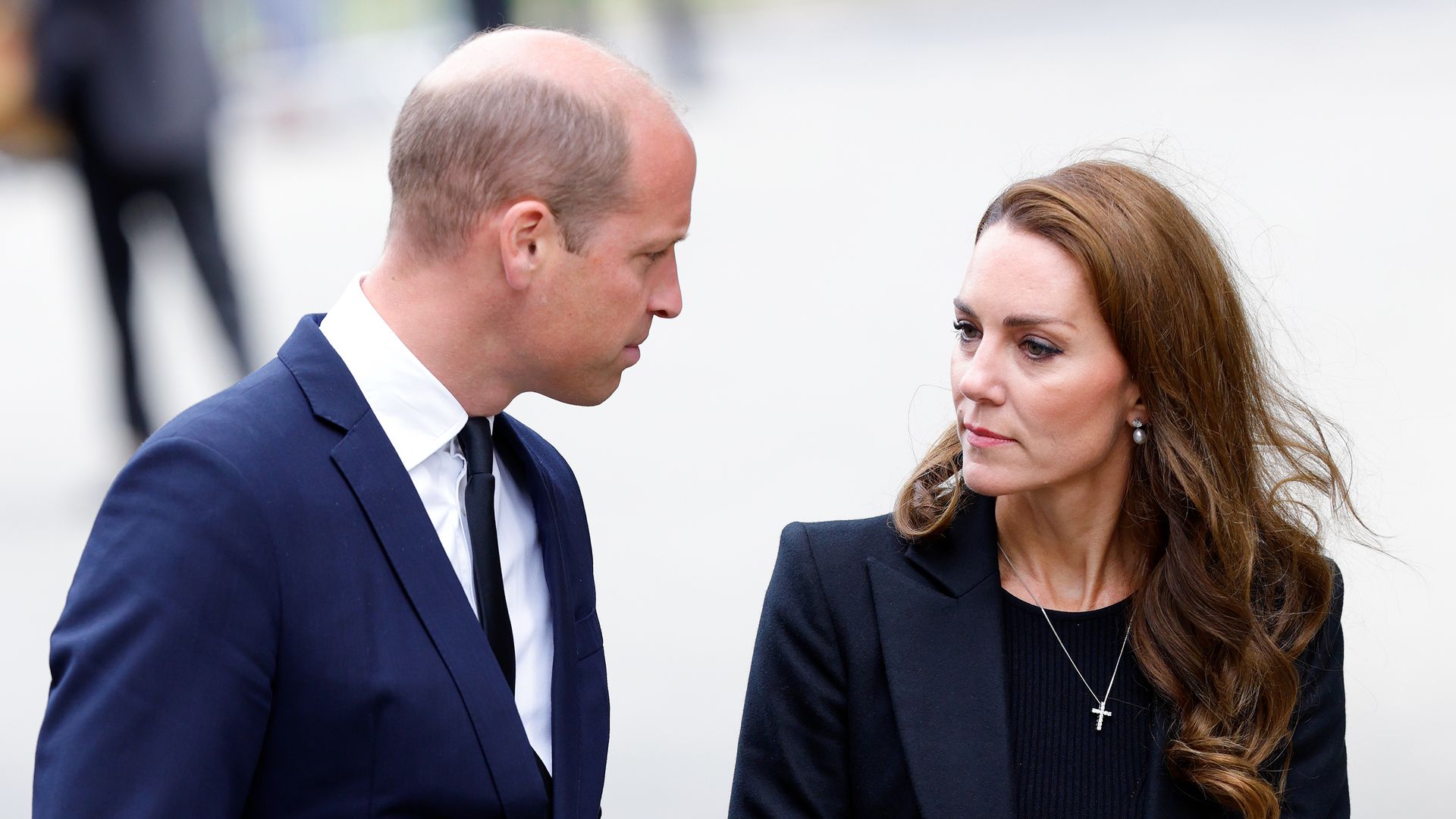
Prince William and Princess Kate are preparing to return to a more structured family routine at their Windsor residence after enjoying a long summer break with their three children, Prince George, Princess Charlotte and Prince Louis. However, as the family settles back into everyday life, they are also being reminded of some potential dangers in the beautiful natural surroundings close to their home.
The Prince and Princess of Wales currently live at Forest Lodge, which is located within the expansive grounds of Windsor Great Park. The royal residence is surrounded by an impressive natural landscape, giving the family easy access to open fields, woodland, lakes, ponds and meadows. Covering approximately 15,800 acres, the park provides a peaceful environment and plenty of opportunities for outdoor activities.
Yet the area’s abundance of wildlife means that visitors need to take extra care at certain times of the year. One of the main seasonal concerns is the annual deer rut, which takes place during the autumn months. The breeding season generally occurs between September and November, when male deer become particularly active and can display aggressive behavior as they compete for territory and mates.
The presence of deer is one of the most distinctive features of Windsor Great Park, but during the rutting season, visitors are encouraged to observe the animals from a safe distance. Male deer can become unpredictable and may engage in powerful fights with one another. Even animals that normally appear calm can behave differently during this period.
For that reason, people visiting the park are advised to follow several important safety precautions. Visitors should remain on the main paths and tracks rather than wandering into areas where deer may be gathered. Anyone bringing a dog should keep it on a short lead and maintain close control throughout their visit.
Perhaps most importantly, members of the public are strongly encouraged not to approach, chase or follow deer. Instead, people should maintain a considerable distance and use binoculars or a camera equipped with a long-range lens if they want to watch or photograph the animals.
These guidelines are particularly relevant to the Wales family because William and Kate are known to appreciate spending time outdoors with their children. Their Windsor home provides them with an unusual opportunity to enjoy nature and outdoor spaces without having to travel far from home.
Prince William has previously spoken humorously about Prince Louis’ enthusiasm for being outside. The royal father once joked that his youngest son simply loves outdoor activities and is happiest when he can spend his time outside. Given the children’s apparent enjoyment of nature, it is likely that the family makes good use of the extensive green spaces surrounding their home.
At the same time, their familiarity with the area means they are likely to understand the importance of following safety recommendations, especially during periods when wildlife becomes more active.
Another Potential Threat: Ticks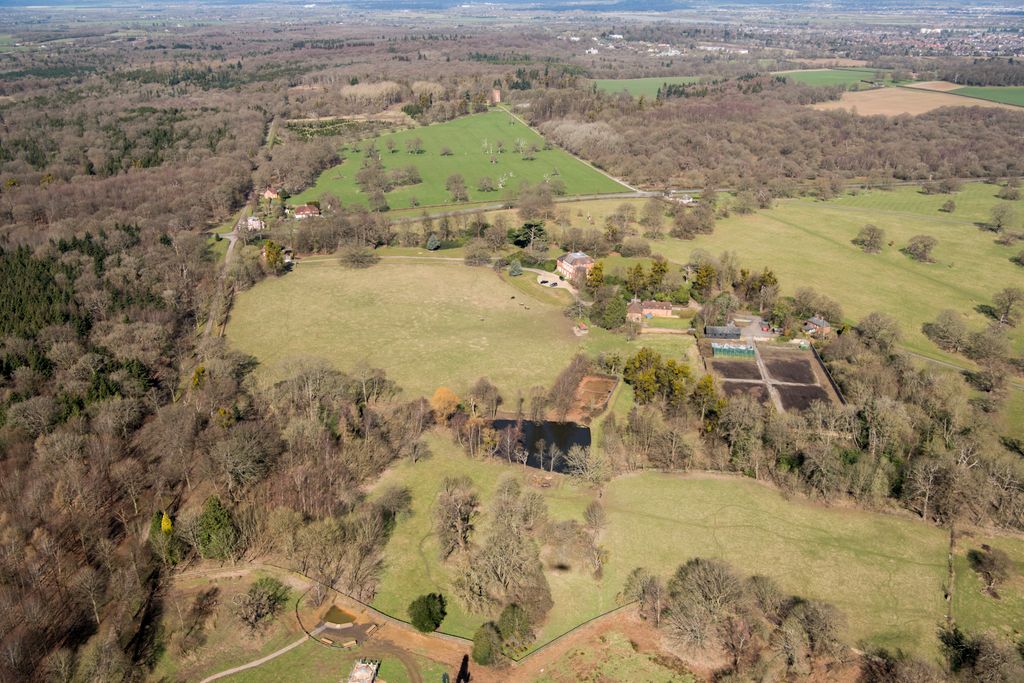
Deer are not the only potential concern for visitors to Windsor Great Park. Another less visible hazard can be found in the park’s grasslands and wooded areas: ticks.
Unlike the deer rut, which is seasonal, ticks can be active throughout the year. However, people are particularly likely to encounter them between spring and autumn, when outdoor activity and tick numbers tend to increase.
Ticks are tiny parasites that survive by attaching themselves to larger animals and feeding on their blood. Several different species can be found in the United Kingdom, and some are capable of carrying bacteria that can transmit diseases to both people and dogs.
Because ticks are so small, they can be difficult to notice. They can attach themselves to exposed areas of skin while people are walking through woodland, long grass or dense vegetation. This makes awareness and preventative measures particularly important for anyone who regularly spends time outdoors.
Visitors to Windsor Great Park are therefore encouraged to take simple steps to reduce the risk of coming into contact with ticks. One of the easiest precautions is to remain on designated footpaths and avoid walking through thick vegetation wherever possible.
Clothing can also provide an additional layer of protection. Tucking trousers into socks can help reduce the amount of exposed skin through which ticks could reach a person. After spending time outdoors, it is also sensible to check clothing and the body carefully for any ticks that may have attached themselves.
For the Wales family, these warnings are likely to be familiar. Both Prince William and Princess Kate spent much of their childhood surrounded by the British countryside and have frequently expressed an appreciation for outdoor life.
Their connection with nature has also become an important part of the way they approach family life. Rather than viewing time outdoors simply as recreation, Kate has frequently highlighted the positive effects that nature can have on people’s emotional and psychological wellbeing.
Kate’s Personal Connection With Nature
Princess Kate has been particularly vocal about the benefits of spending time in natural surroundings. Her interest in the relationship between nature and mental wellbeing has featured prominently in several of her public initiatives.
During Mental Health Awareness Week in 2025, Kate reflected on the important role nature had played in her own life. She described the natural world as a source of comfort and restoration, emphasizing its ability to encourage people, support them during difficult periods and contribute to personal growth.
Her comments reflected a broader belief that access to green spaces can have a meaningful influence on mental health. For someone living at Forest Lodge, the opportunity to experience these benefits is particularly convenient, as Windsor Great Park is essentially part of the family’s wider surroundings.
The park offers a rare combination of privacy, open space and natural beauty. For William and Kate, it can provide a setting where their children can play, explore and enjoy outdoor activities away from the pressures of public life.
However, the seasonal wildlife warnings serve as a reminder that beautiful natural environments also require caution and respect. Deer may be fascinating to observe, particularly during the autumn rut, but they are still wild animals capable of unpredictable behavior. Similarly, ticks may be almost invisible, yet they can present a genuine health concern.
As the Wales family returns to their regular routine following the summer holidays, Forest Lodge is likely to remain an important base for their family life. Prince George’s transition to boarding school will bring a significant change to the household, while Charlotte and Louis continue to enjoy their childhood alongside their parents.
Despite the responsibilities that come with royal life, William and Kate have consistently sought to give their children opportunities to experience a relatively normal family environment. Their access to the extensive natural landscape surrounding Windsor offers them an ideal place to spend time together.
With autumn approaching, however, the family and other visitors to Windsor Great Park will need to remain mindful of the changing behavior of wildlife. By keeping a safe distance from deer, controlling dogs carefully, staying on established paths and taking precautions against ticks, visitors can continue to enjoy the park while reducing the risks associated with its natural inhabitants.
For Princess Kate in particular, the presence of such a vast green space close to home may be especially meaningful. Her belief in the healing and restorative qualities of nature makes Windsor Great Park more than simply a scenic backdrop to family life. It can also serve as a valuable place for relaxation, reflection and connection with the outdoors.