Prince William Set for Important Royal Duty at King Harald V’s Funeral
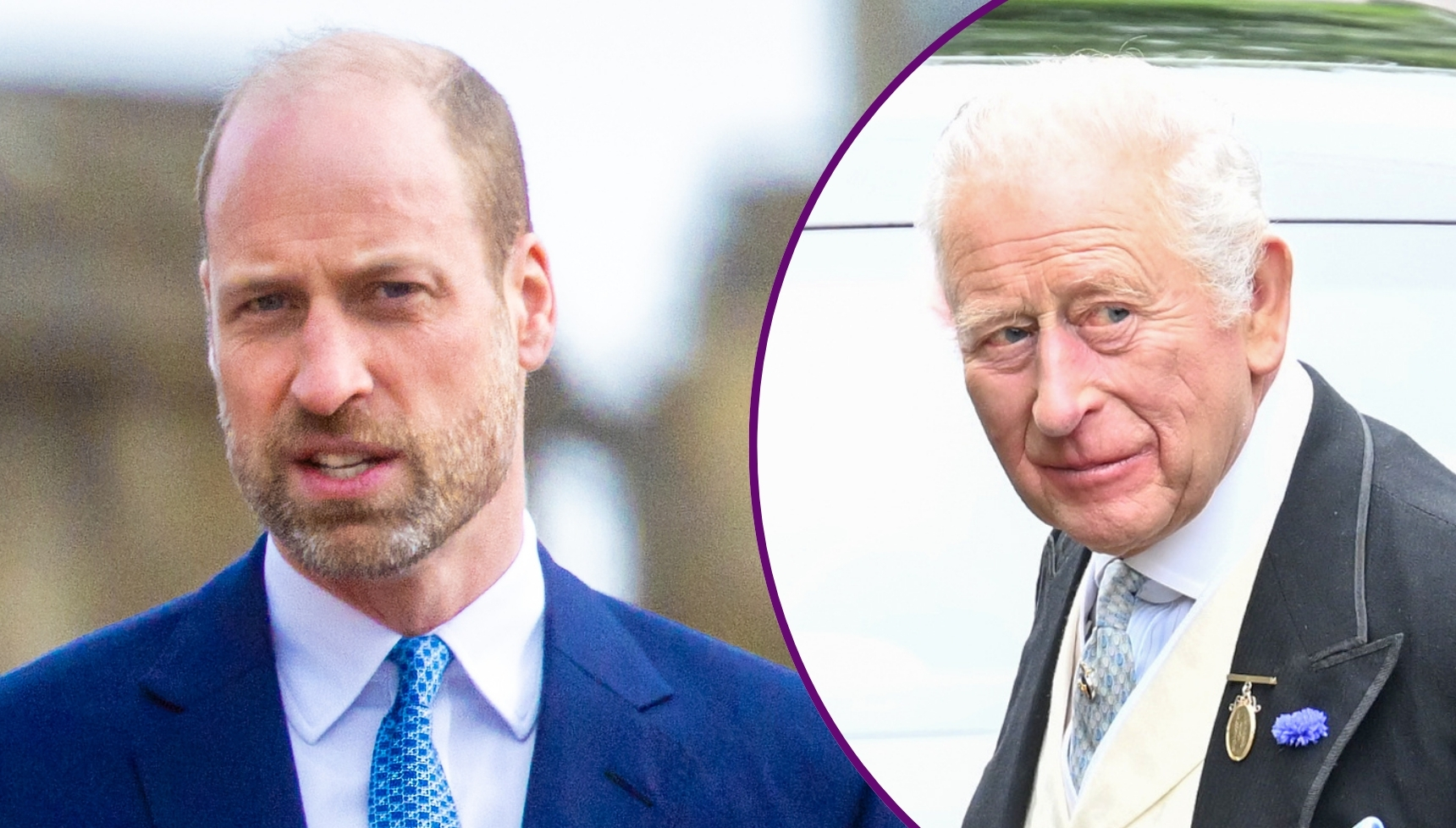
Prince William is reportedly preparing to take on a significant diplomatic and royal responsibility by representing his father, King Charles, at the state funeral of Norway’s King Harald V in Oslo next week.
The Prince of Wales is expected to attend the solemn ceremony at Oslo Cathedral on behalf of the British monarch, placing him in a highly visible position at an important international royal occasion.
William’s involvement is particularly notable because British monarchs have traditionally followed a longstanding convention of not personally attending the funerals of foreign heads of state. Instead, members of the Royal Family have often represented the sovereign at such events.
With that tradition in mind, the responsibility falling to William carries significance beyond simply attending a funeral. As the heir to the British throne, his presence represents both his father and the wider United Kingdom, while also demonstrating the increasingly important role he plays within the modern monarchy.
The reported decision has naturally attracted attention to William’s position as the future King.
Since becoming Prince of Wales, William has gradually taken on a larger share of official responsibilities. His public schedule has expanded, and he has increasingly appeared at major national and international events on behalf of the King.
His expected visit to Norway is another example of that evolution.
Although attending a state funeral is primarily a solemn duty, such occasions can also have important diplomatic dimensions. Royal families across Europe maintain long-standing relationships, and the presence of senior members at major ceremonies reflects those historic connections.
Norway and Britain have particularly close royal links, making William’s attendance especially appropriate.
King Harald V has occupied an important position within the Norwegian monarchy for decades, and his funeral would naturally bring together members of royal families and representatives from different countries.
For William, the occasion is likely to require a balance between personal respect, ceremonial expectations and his responsibilities as the heir to the British throne.
His role also demonstrates how the duties of the monarchy are increasingly being shared across generations.
King Charles remains the reigning sovereign and continues to undertake an extensive programme of official engagements. However, the demands of modern royal life mean that other senior members of the family frequently represent him at important events.
William, as first in line to the throne, is naturally one of the most prominent figures available to undertake those responsibilities.
His attendance in Oslo can therefore be seen as part of a broader pattern in which the Prince of Wales is gradually becoming more accustomed to representing the Crown on the international stage.
Such responsibilities are likely to become increasingly significant as William prepares for his eventual accession.
The role of an heir is not simply about waiting to become monarch. It involves learning how to represent the institution, developing diplomatic relationships and understanding the ceremonial obligations associated with the Crown.
William has spent many years preparing for that future.
His public duties have included international tours, meetings with foreign leaders, charitable engagements and appearances at major national events. Each occasion provides him with experience that will eventually be relevant to his role as King.
Representing Charles at an important state funeral is therefore another opportunity for William to demonstrate his ability to carry out duties on behalf of the sovereign.
The decision also highlights the way royal traditions can coexist with changing expectations.
The convention surrounding monarchs and foreign state funerals has historically been influenced by protocol and practical considerations. When a foreign head of state dies, the British monarch may choose to send another senior royal rather than personally attend.
This approach allows the institution to respect established diplomatic customs while ensuring that the United Kingdom is represented at the highest appropriate level.
William’s expected attendance fits within that tradition while simultaneously reflecting the changing nature of his own responsibilities.
For members of the public, the event may offer another opportunity to see the future King carrying out a role that would traditionally have been associated with senior royal representatives.
It also provides an insight into the relationship between the British monarchy and other European royal houses.
European monarchies have long maintained close personal and institutional connections. Royal weddings, state visits, funerals and other major ceremonies often bring members of different royal families together.
These relationships can have historical roots stretching back generations.
William’s presence in Oslo would therefore not only represent Charles but also reaffirm the continuing ties between the British and Norwegian royal families.
The ceremony itself is expected to be a solemn occasion, with Oslo Cathedral providing the setting for the formal proceedings.
For William, the event will require an appropriate combination of dignity, respect and diplomatic awareness.
While the focus will naturally remain on mourning and remembrance, the attendance of senior royals can also carry symbolic importance.
A royal representative communicates the respect of the British monarchy and the British state toward the deceased sovereign and the country he represented.
William’s position makes that symbolism particularly powerful.
As the future King, he embodies the next generation of the British monarchy. His appearance alongside other European royals would underline the continuity of royal relationships across generations.
The occasion may also provide a glimpse into how William’s future reign is gradually being shaped.
Every public responsibility undertaken on behalf of Charles allows him to gain further experience in dealing with international audiences, diplomatic figures and ceremonial events.
These experiences will become increasingly valuable if and when he eventually succeeds his father.
The Prince of Wales has also been developing his own public identity while remaining firmly within the constitutional framework of the monarchy.
His work has often focused on issues such as environmental protection, mental health, homelessness and youth development. At the same time, he has increasingly undertaken duties that carry a more explicitly diplomatic or constitutional character.
Representing the King at a foreign state funeral falls into the latter category.
It is an occasion where personal visibility must remain secondary to the responsibility of representing the sovereign.
William’s task will therefore be to perform his role with discretion and respect.
The assignment also illustrates the practical reality of a monarchy that relies on several senior members to fulfil its extensive programme of engagements.
With the King continuing his own duties, Queen Camilla undertaking public responsibilities and other working royals maintaining busy schedules, William’s position as heir makes him a natural choice for important international assignments.
His role is likely to become even more prominent in the coming years.
As Charles’ reign continues, the Prince of Wales will increasingly be expected to represent the Crown both domestically and abroad. Events such as this funeral offer an opportunity for him to demonstrate his readiness while respecting the authority of the reigning monarch.
For William, however, the occasion is ultimately about more than preparation for the future.
A state funeral is a solemn event, and his primary responsibility will be to represent his father and the United Kingdom appropriately while paying respect to Norway’s royal family.
The significance of his attendance lies partly in the fact that it reflects the delicate balance between tradition and evolution within the British monarchy.
The institution continues to follow longstanding protocols, yet the people carrying out those responsibilities are gradually changing.
King Charles remains at the centre of the monarchy, but William is increasingly becoming one of its most visible representatives.
His reported role at King Harald V’s funeral provides another clear example of that transition.
It demonstrates that the Prince of Wales is not merely preparing for a future reign in theory. He is already gaining practical experience by undertaking demanding responsibilities on behalf of the King.
As William travels to Oslo, his presence will therefore be watched not only as a mark of respect for Norway’s late monarch but also as another indication of how the British monarchy is preparing for its next chapter.
The assignment reflects the importance of William’s current position, the enduring relationship between European royal families and the responsibilities that come with being heir to the British throne.
Ultimately, the funeral will be a moment of remembrance and solemnity. But for royal observers, William’s role will also offer a revealing glimpse into the increasingly prominent position he occupies within the institution—and the responsibilities he is gradually assuming as Britain’s future King.