Prince Harry and Meghan Markle are reportedly unhappy with the way they have been described in official guidance concerning their position within the British royal family. The Duke and Duchess of Sussex are said to have been particularly frustrated by the decision to refer to them as “private citizens”, arguing that the phrase does not accurately reflect the public roles they continue to maintain.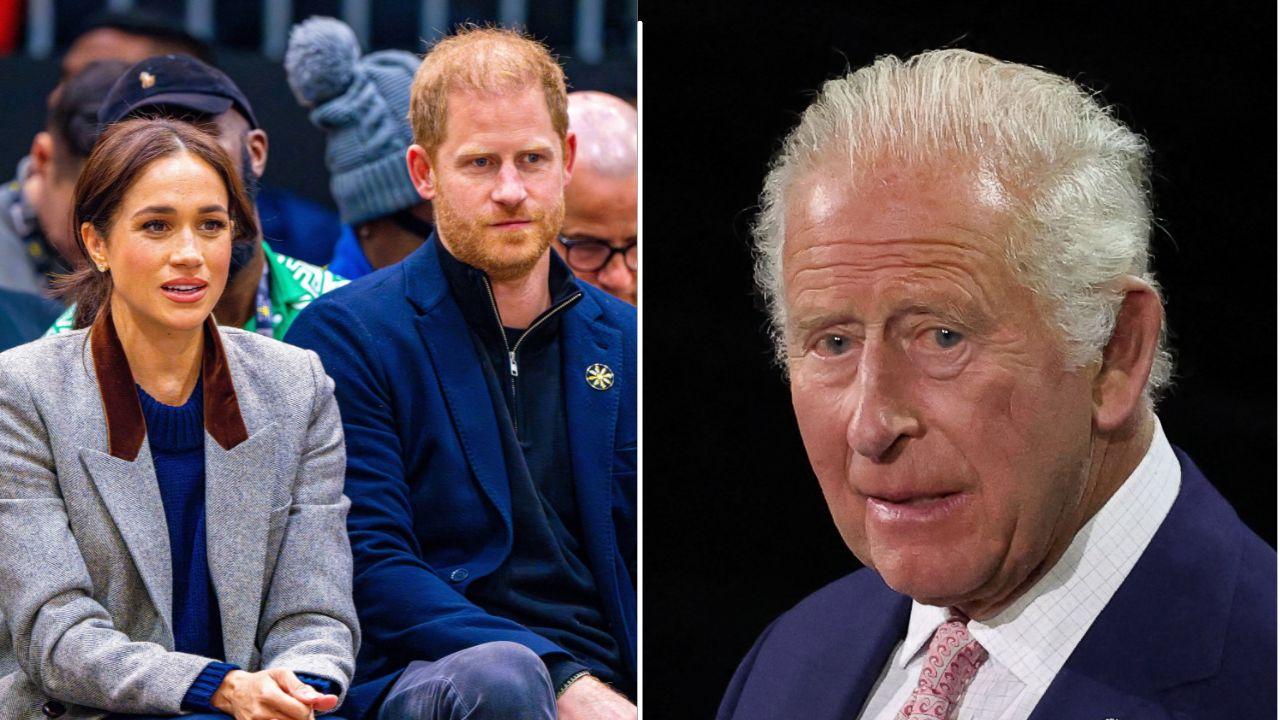
The disagreement has created another point of tension between the Sussexes and King Charles III after a letter was issued on behalf of the monarch setting out the couple’s position in relation to the Royal Family. The guidance made clear that Harry and Meghan would not be returning to their former duties as working members of the monarchy.
According to reports, people close to the Sussexes believe the couple were caught off guard by the announcement and were disappointed that they had not been given an opportunity to respond before the guidance was made public.
Their concern reportedly centred particularly on the description of them as private citizens. Sources familiar with their position claim that Harry and Meghan would have preferred the wording to recognise their continuing public profile while also acknowledging their personal connection to the Royal Family.
The issue has reportedly been communicated to the British media by representatives or sources close to the Sussexes, who maintain that the couple would have liked the chance to clarify what they considered to be one or two important points in the King’s letter.
The wording appears to have become a significant source of irritation for Harry, who is understood to object to the suggestion that he and Meghan should effectively be treated in the same manner as ordinary private individuals.
Those close to the Duke and Duchess reportedly believe that the term “public figures” would be more appropriate. Although the couple no longer receive public funding for official royal duties and are not working royals, they remain globally recognised personalities whose activities continue to attract significant public and media attention.
There is therefore a distinction, in their view, between no longer being working members of the monarchy and being classified entirely as private citizens.
The reported disagreement comes at a particularly sensitive time because the Sussexes have been considering their future relationship with Britain. The couple stepped away from their official royal responsibilities several years ago and subsequently established a new life in the United States.
Their decision to leave the UK as working royals fundamentally changed their relationship with the institution. Since then, Harry and Meghan have pursued independent professional projects, charitable initiatives and commercial ventures while maintaining a public connection to the Royal Family.
The latest guidance from Buckingham Palace appears to remove any remaining uncertainty about whether they could eventually return to their former positions.
According to reports, the Palace has firmly rejected the possibility of Harry and Meghan resuming their previous roles as working members of the monarchy. This is understood to have been formalised in order to make the couple’s position clear and prevent future speculation about a return to royal duties.
Prince William has reportedly been among those who wanted the situation to be formally clarified.
However, a royal source has emphasised that Harry and Meghan never returned to Britain with the expectation that they could simply resume their old responsibilities. The source suggested that the couple understood that the circumstances had changed and that their previous roles were no longer automatically available to them.
The disagreement is therefore not necessarily about a desire to return to the exact position they held before stepping back from royal duties. Instead, it appears to concern how they are publicly described and how their continuing connection to the Royal Family should be recognised.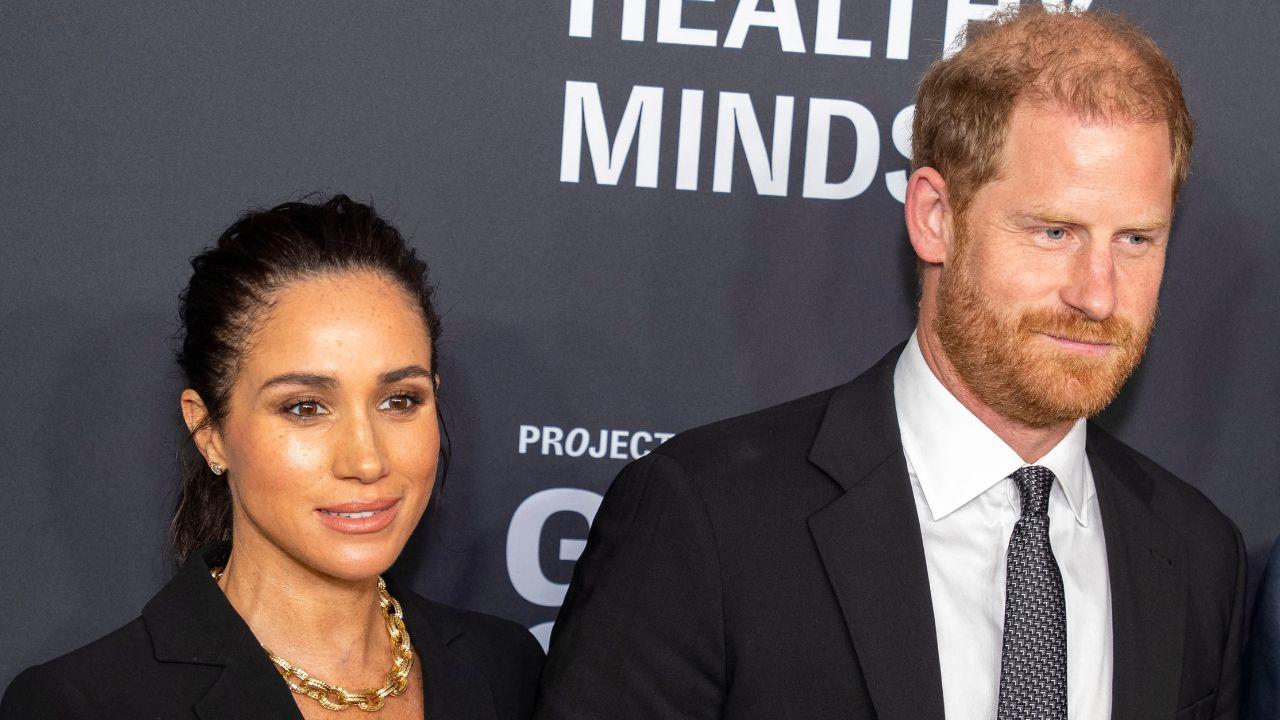
For Harry and Meghan, the distinction may be particularly important because they continue to have substantial international visibility.
Both remain well-known public figures with millions of followers around the world. Their activities frequently generate significant media coverage, while their charitable work and public appearances continue to attract attention.
The couple have also retained their royal titles, Duke and Duchess of Sussex, despite no longer carrying out official duties on behalf of the monarchy. This creates a complicated situation in which they remain members of the Royal Family by birth and marriage but do not perform the responsibilities traditionally associated with working royals.
The terminology used to describe their status has therefore remained sensitive.
The reported frustration over the King’s letter adds another layer to the already complicated relationship between Harry, Meghan and other members of the Royal Family.
Relations between the Sussexes and senior royals have been strained since the couple announced their decision to step away from frontline royal responsibilities. Their subsequent move to the United States and a series of high-profile interviews and media projects have further intensified public discussion about family tensions.
Harry has spoken openly about aspects of his relationship with members of his family, while Meghan has also discussed her experiences within the monarchy. Their public comments have occasionally generated strong reactions in Britain and created further difficulties for relations with the Palace.
Despite these tensions, the Sussexes remain connected to the Royal Family on a personal level. Harry is the son of King Charles, while Meghan is his daughter-in-law. Their children, Prince Archie and Princess Lilibet, are also members of the wider royal family.
This personal connection appears to be at the heart of the couple’s objection to the “private citizens” description.
From their perspective, being outside the group of working royals does not necessarily mean that their familial position has disappeared. They would reportedly like this distinction to be recognised whenever their status is discussed publicly.
At the same time, Buckingham Palace appears determined to establish a clear boundary between being a member of the Royal Family and carrying out official duties on behalf of the Crown.
The guidance issued on the King’s behalf reportedly reflects that approach. It reinforces the idea that Harry and Meghan cannot simply return to their previous roles whenever circumstances change.
The issue could also have implications for the couple’s relationship with Britain more broadly. Their reported frustration has raised fresh questions about whether they would consider spending more time in the UK and what role, if any, they could have in public life there.
Harry has maintained strong personal connections to Britain and has continued to return for various events and legal matters. Security arrangements, however, have remained an important concern for him and have contributed to disagreements surrounding his visits.
For Meghan, the couple’s life has increasingly been centred around California, where they live with their two children and continue their professional and charitable activities.
The latest controversy demonstrates that, despite the geographical distance and their withdrawal from official royal responsibilities, the Sussexes remain closely connected to debates surrounding the monarchy.
The use of a particular phrase in an official communication may appear relatively minor, but for Harry and Meghan it reportedly carries broader implications about their identity and place within the Royal Family.
They are said to accept that they are no longer working royals and that there is no automatic route back to their former positions. Nevertheless, they reportedly believe their status as members of the Royal Family should still be acknowledged, even if they are not funded by the public or involved in official royal duties.
For Buckingham Palace, however, the priority appears to be establishing clarity and avoiding ambiguity about the couple’s future role.
The disagreement therefore highlights the complicated middle ground occupied by Harry and Meghan: they are no longer working royals, but they remain globally recognised members of the Royal Family.
Whether the dispute over the term “private citizens” develops into a larger disagreement remains unclear. For now, the episode represents another indication of the delicate relationship between the Sussexes and the institution they once served.
Ultimately, Harry and Meghan appear to want their independence and separation from official royal duties to be recognised while still having their continuing family connection acknowledged. The Palace, meanwhile, seems focused on making it clear that stepping away from royal duties carries lasting consequences.
That tension between personal family ties and institutional responsibilities is likely to remain an important part of the Sussexes’ relationship with the British monarchy for years to come.