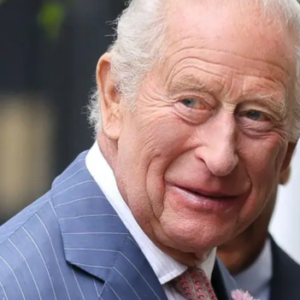
“A brighter dawn is never far from the horizon”: these words formed the emotional core of King Charles’s tribute to his late mother on what would have been her 100th birthday. In a deeply personal and reflective message, he honored Queen Elizabeth II not only as a monarch of historic significance, but as a beloved parent whose influence continues to guide him and the nation.
Speaking from Balmoral Castle—her cherished Scottish retreat and the place where she passed away on September 8, 2022—the King delivered his message from what had once been her private library. The setting itself carried symbolic weight, evoking memories of her quieter moments away from public duty. Now 77, Charles described his mother with warmth and reverence, calling her his “darling Mama” and expressing that she remains forever present in the hearts and prayers of those who loved her.
He reflected on her extraordinary life, noting how she embodied constancy, resilience, and an unwavering commitment to service throughout a period of immense global transformation. Over the course of nearly a century, she witnessed and adapted to sweeping social, political, and technological changes. Yet, through every decade, she remained a steady figure—someone who approached her responsibilities with dedication and grace.
At the same time, the King did not shy away from acknowledging the complexities of the modern world. He alluded to the challenges facing society today—both globally and within the Royal Family itself. Recent controversies, including those surrounding Prince Andrew and his associations, have cast a shadow over aspects of the monarchy’s reputation. While Charles avoided direct detail, his remarks suggested an awareness that such issues might have deeply troubled his mother.
Still, he emphasized her enduring optimism. He spoke of her belief that goodness ultimately prevails, and that hope is never out of reach. That belief, he suggested, is especially meaningful in uncertain times. Conflicts across the world, divisions within societies, and tensions closer to home all contribute to a sense of unease—but the late Queen’s outlook offers reassurance. Her conviction that brighter days lie ahead continues to resonate.
The King’s tribute also revisited the remarkable story of Elizabeth’s early life. Born in the early hours of April 21, 1926, at a London residence on Bruton Street, she entered the world as the daughter of the Duke and Duchess of York. At the time, her path to the throne seemed unlikely. She was third in line, behind her uncle and father. However, the dramatic events of 1936 changed everything. Following the abdication of her uncle, who chose love over duty, her father became King George VI—and Elizabeth, still a young girl, became heir to the throne.
From that moment, her destiny was reshaped. She grew into her role with a strong sense of duty, eventually becoming the longest-serving monarch in British history. Many had hoped she might live to celebrate her centenary, especially given her mother’s longevity. Sadly, she passed away at the age of 96, leaving behind a legacy that remains unparalleled.
To mark what would have been her 100th birthday, members of the Royal Family are gathering for a series of commemorative events. These include plans for a permanent memorial in London, designed to honor her life and service. The King and Queen are expected to review proposals and host a reception at Buckingham Palace, bringing together figures from across public life to reflect on her impact.
In his address, Charles invited the public to join him in remembering not just the loss, but the immense value of her life. He spoke of how her promise—made as a young woman dedicating herself to service—was faithfully fulfilled. That commitment shaped not only the nation but also the wider Commonwealth and beyond. Her influence reached millions, whether through major historical moments or brief, personal encounters that left lasting impressions.
He recalled how many people remember her for iconic occasions, while others cherish smaller, more intimate memories—a smile, a kind word, or a simple gesture that brightened their day. Even in her later years, she maintained a sense of warmth and humor, exemplified in lighthearted moments that endeared her to the public.
Returning to the present, the King reiterated his belief that her message remains relevant. He quoted her words from a broadcast she made as a teenager during wartime, when she encouraged people to contribute to building a better future. That message, he said, continues to inspire him. It is a reminder that progress depends on collective effort, regardless of age or background.
He urged people to see the centenary not as a moment defined by absence, but as an opportunity to celebrate a life well lived. Her legacy, he suggested, should motivate society to pursue a future grounded in peace, fairness, prosperity, and security. In doing so, he renewed his own commitment to serve with the same sense of duty that defined her reign.
The tribute concluded on a deeply personal note. Addressing his mother directly, he offered a simple but heartfelt blessing, reaffirming that she remains ever-present in memory and spirit.
Beyond the tribute, plans to honor her legacy continue to take shape. A new memorial in central London will feature statues of both the Queen and her late husband, Prince Philip. The design aims to capture key aspects of their lives and contributions, including her role as head of the Commonwealth and his long service as consort. A glass bridge inspired by a tiara she wore on her wedding day will symbolize continuity and connection.
Additionally, a new charitable initiative has been launched in her name, focused on preserving and enhancing public spaces across the United Kingdom. With initial government funding and plans for public support, it seeks to carry forward her commitment to community well-being.
Efforts to preserve her legacy also extend into the digital realm. A new online memorial will compile archival materials, including official records and personal contributions from the public, ensuring that future generations can engage with her story in meaningful ways.
Meanwhile, an exhibition dedicated to her sense of style has opened, showcasing hundreds of garments and accessories from across her life. For the King, visiting the exhibition stirred personal memories. Seeing items from her wardrobe—some displayed publicly for the first time—offered a poignant reminder of her presence, both as a monarch and as a mother.
Taken together, these tributes reflect the enduring significance of Queen Elizabeth II’s life. Her legacy is not confined to history books or ceremonial monuments; it lives on in the values she championed and the example she set. And as King Charles’s message makes clear, her belief in hope and renewal continues to offer guidance in a complex and changing world.