After more than seven years away from the country that once formed a defining chapter of their royal lives, Meghan Markle and Prince Harry have quietly returned to Australia, touching down in Melbourne on April 14 local time for a visit that is already generating intense global attention — not because of royal duty, but because of how sharply it contrasts with their past life as working members of the monarchy.
:max_bytes(150000):strip_icc():focal(749x0:751x2)/prince-harry-meghan-markle-australia-1-041326-17fa9d65a2d94e328a1894d32b02197e.jpg)
This trip marks the couple’s first return to Australia since their landmark 2018 royal tour, a journey that at the time symbolised their rising popularity within the Royal Family and included major public appearances across Sydney, Dubbo, Melbourne, Fraser Island, and Rotorua in New Zealand. That earlier visit also became historically significant for personal reasons, as it was during the same tour that they publicly announced Meghan’s pregnancy with their first child, Archie.
Back then, the couple arrived in Australia under full royal protocol, stepping off a long-haul flight in Sydney and greeting crowds during a tightly scheduled 16-day tour. Their appearances were part of an official engagement representing the monarchy, and their presence was framed within the structure of royal diplomacy and public service.
Now, however, the context could not be more different. Since stepping back as senior working royals in early 2020, the Duke and Duchess of Sussex have built an independent public life focused on media production, speaking engagements, and global philanthropy. Their current visit to Australia is not conducted on behalf of the Royal Family, nor does it carry any official royal designation, despite continued public fascination with their status and influence.

One of the most widely discussed aspects of the trip has been the couple’s travel choice. Unlike their 2018 arrival, when they reportedly flew into Sydney via a premium private suite on Qantas and were greeted with significant media coverage, this time they opted for a commercial business-class flight from Los Angeles to Melbourne. The decision immediately became a talking point among passengers and observers, with some describing the experience as unexpectedly low-key given their global profile.
According to accounts from fellow travellers, the couple blended into the flight more than expected. One passenger told Australian media that it was only after landing that they realised who had been seated nearby. Another said they briefly exchanged conversation with Harry and Meghan during the journey, discussing family life and their upcoming schedule in Australia. The interaction, described as polite and casual, contrasted sharply with the highly orchestrated nature of their previous royal travel.
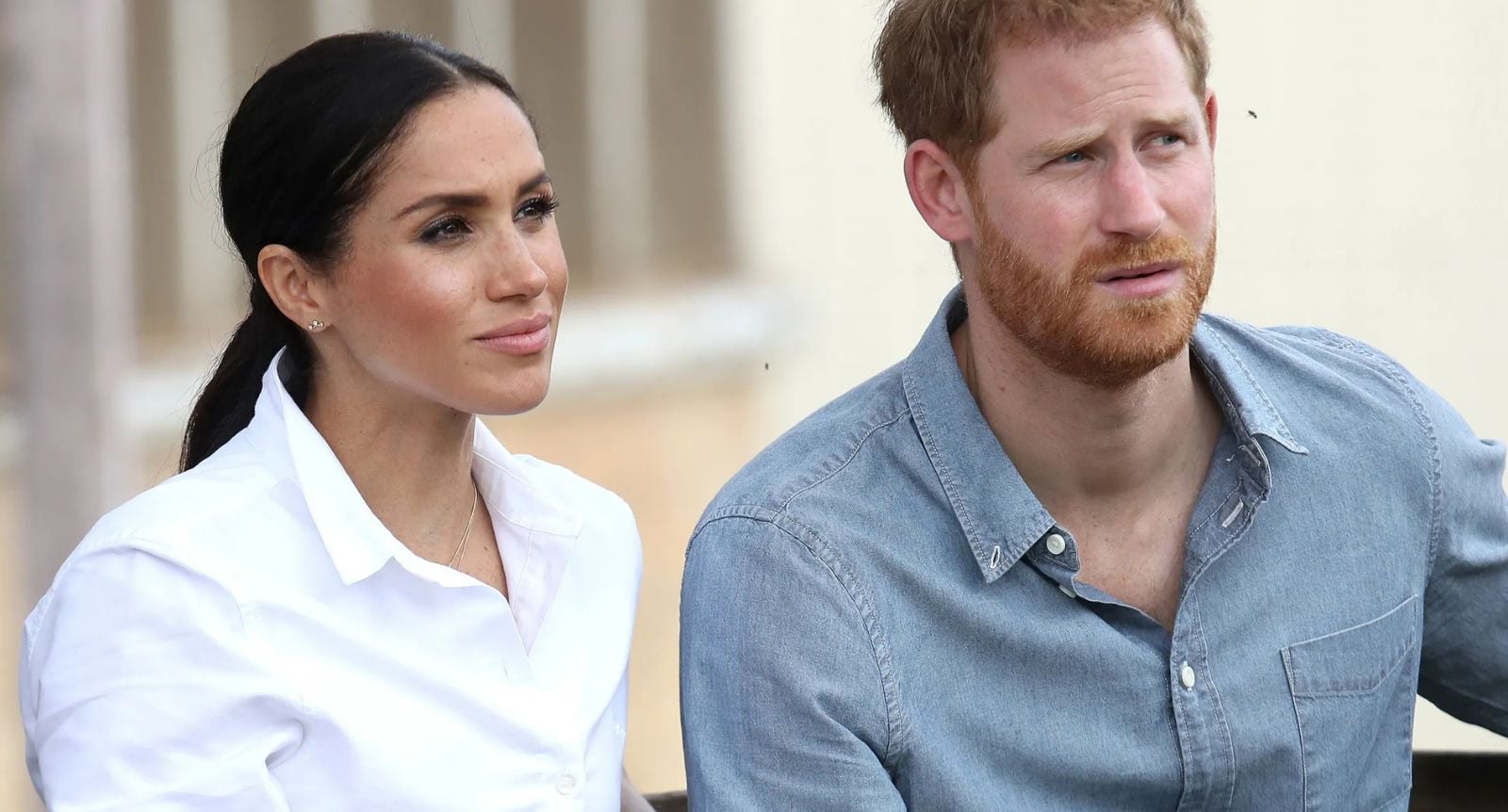
The shift in travel style has been interpreted in different ways. Supporters have framed it as a deliberate attempt to appear more grounded and accessible, aligning with their post-royal identity. Critics, however, have suggested that even the choice of commercial travel is a carefully managed image decision designed to reshape public perception while maintaining global visibility.
Another notable difference in this visit is the absence of any arrival photo opportunity. Unlike traditional high-profile visits where public figures are greeted by press at the airport, the couple reportedly left Melbourne without stopping for media photographs. Instead, they departed in a convoy of vehicles, bypassing the usual staged arrival imagery that often accompanies figures of their stature.
Despite the lack of formal royal framing, their itinerary in Australia is expected to include a mix of private, philanthropic, and business-related engagements. Meghan is scheduled to headline a wellness-focused retreat in Sydney associated with the podcast brand Her Best Life, an event described as a “girls’ weekend” gathering centered on lifestyle, empowerment, and personal development themes. The appearance positions Meghan further within the lifestyle and media space she has cultivated since leaving royal duties.
Meanwhile, Prince Harry is set to participate in professional and philanthropic discussions in Melbourne, including serving as a keynote speaker at the InterEdge Psychosocial Safety Summit. His focus is expected to center on workplace mental health, an issue he has consistently championed through his advocacy work and partnerships with global organisations. His involvement continues a pattern of speaking engagements that blend public health messaging with leadership and corporate wellbeing themes.

The couple’s children, Prince Archie, 6, and Princess Lilibet, 4, are not accompanying them on this trip. Their absence reflects a continued pattern in which Harry and Meghan balance international engagements with private family life, often keeping their children away from public-facing tours and official appearances.
This Australian visit also comes amid a broader international schedule of philanthropic travel. Earlier this year, the couple participated in initiatives in Jordan in partnership with the World Health Organization, focusing on global health collaboration. In 2024, they also undertook visits to Nigeria and Colombia, where they engaged in a series of charitable and advocacy-focused events tied to mental health, youth empowerment, and community development.
Taken together, these trips reflect a clear shift in how Harry and Meghan are positioning themselves on the global stage. No longer operating within the constraints of royal protocol, they have increasingly adopted a hybrid identity that blends celebrity influence, philanthropy, and media engagement. This flexibility has allowed them to move across countries and causes without formal state duties, but it has also ensured that each appearance is closely scrutinised and widely debated.
The Australia visit, in particular, has revived comparisons with their former royal life. For many observers, the contrast between their highly structured 2018 tour and their more informal 2026 return highlights how much their public roles have changed in less than a decade. For others, it reinforces ongoing questions about how their global influence should be interpreted — as independent humanitarian work, strategic brand-building, or a combination of both.
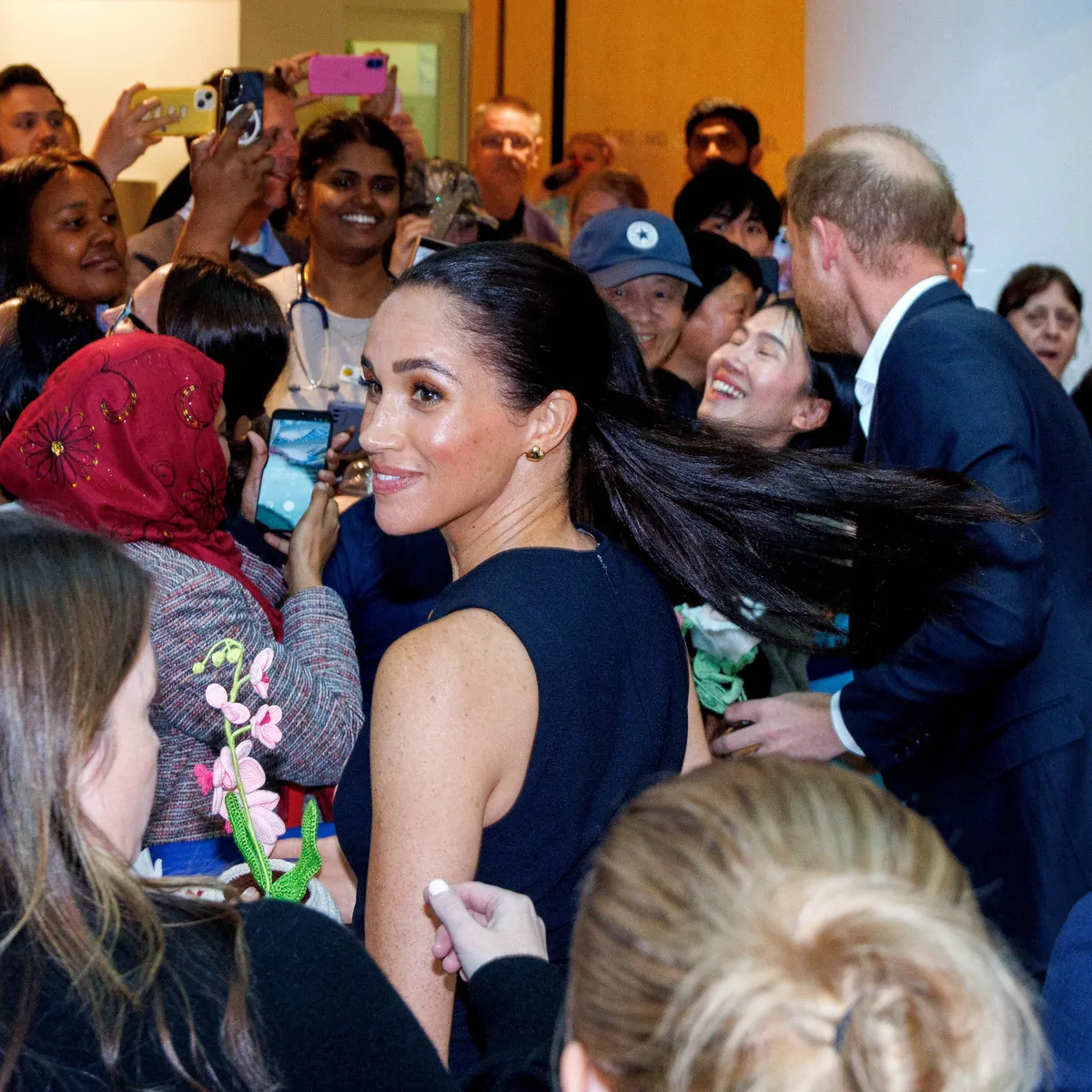
Even without official royal status, their presence continues to attract significant attention in every country they visit. Whether arriving on commercial flights or attending private conferences, Harry and Meghan remain figures whose movements are closely followed, dissected, and debated across media platforms worldwide.
In Australia, that pattern has once again repeated itself. What was intended as a relatively quiet return has instead become another chapter in the ongoing story of how the Sussexes are redefining their identity beyond the monarchy — and how the world continues to respond to every step of that transformation.