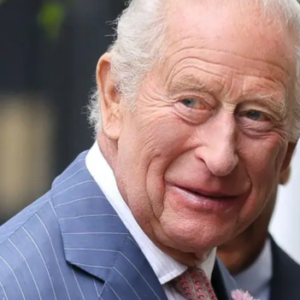
King Charles III and Queen Camilla are set to make a highly symbolic four-day state visit to the United States beginning Monday, April 27, marking one of the most significant diplomatic royal tours in recent years. The visit, which will run until Thursday, April 30, is expected to combine ceremony, political engagement, and cultural outreach across Washington, D.C., New York City, and Virginia, as the monarchy joins U.S. officials in commemorating America’s upcoming 250th anniversary.

Buckingham Palace confirmed the itinerary in mid-April, framing the trip as an opportunity to reinforce the long-standing relationship between the United Kingdom and the United States. The palace emphasized themes of shared history, economic cooperation, defense ties, and cultural connections that have evolved over centuries. Officials on both sides are also viewing the visit as a moment to reinforce diplomatic goodwill at a time of broader international tensions.
The trip begins in Washington, D.C., where the royal couple will be welcomed with a carefully choreographed series of ceremonial events. President Trump and First Lady Melania Trump are expected to host a private tea with King Charles and Queen Camilla shortly after their arrival, offering an intimate setting to open the official proceedings. This will be followed by a formal welcome ceremony featuring a ceremonial military review, underscoring the deep defense relationship between the two nations.
One of the most anticipated highlights of the Washington leg is a state dinner at the White House, hosted by the U.S. president and first lady in honor of the visiting monarchs. These dinners are traditionally high-profile affairs, blending diplomacy with pageantry, and are often used to signal the strength of bilateral relations.

A separate royal garden party will also take place at the British ambassador’s residence in Washington. The event is expected to reflect traditional British social customs, with a dress code specifying lounge suits for men and day dresses for women, typically paired with formal accessories such as fascinators or top hats—although guests are reportedly discouraged from wearing hats on this occasion to maintain a more relaxed tone.
On Tuesday, April 28, King Charles III will deliver a historic address to a joint meeting of the U.S. Congress. This moment will mark only the second time in history that a British monarch has addressed both chambers of Congress in such a setting. The first was Queen Elizabeth II in 1991, making Charles’s appearance a rare constitutional and diplomatic milestone. The speech is expected to focus on shared democratic values, international cooperation, and the enduring partnership between the two countries.
Following his address, the royal couple will participate in additional engagements in Washington before continuing their journey across the United States.
On Wednesday, April 29, the focus shifts to remembrance and symbolic diplomacy. Before departing the capital, Charles and Camilla will take part in a wreath-laying ceremony honoring fallen service members. The gesture is intended to highlight the long-standing military alliance between the U.S. and the U.K., particularly through joint operations and historical cooperation in global conflicts.
Later that day, the royal couple will travel to New York City, where their visit will take on a more cultural and humanitarian tone. One of their key engagements will involve meeting families of victims of the September 11 attacks, ahead of the 25th anniversary of the tragedy later this year. The meeting is expected to be highly emotional and reflective, reinforcing shared experiences of grief and resilience between the two nations.
King Charles, who has long been associated with environmental advocacy and social initiatives, is also scheduled to visit a community organization in New York that focuses on sustainable urban farming. The visit aligns with his longstanding interest in environmental conservation, climate action, and community-led sustainability projects.
Queen Camilla will conduct a separate engagement during the New York stop, attending an event marking the centenary of the 1926 publication of A.A. Milne’s classic “Winnie-the-Pooh.” The celebration is expected to highlight British literary heritage and its enduring global cultural influence.

After their time in New York City, the royal couple will travel to Virginia for the final leg of their U.S. tour. There, they are expected to meet with Indigenous communities and environmental conservation groups, reflecting ongoing efforts to engage with historical and ecological issues at a local level. The Virginia visit will also include a large public celebration—a block party marking the 250th anniversary of the Declaration of Independence—bringing together cultural performances, community groups, and historical commemorations.
The Virginia events are designed to emphasize the historical link between Britain and the United States, while also acknowledging the complex legacy of American independence and the evolution of modern democratic systems.
Following the conclusion of the official U.S. program, King Charles will travel separately to Bermuda, a British overseas territory, for an additional short visit. This final stop is expected to focus on regional governance and the relationship between the Crown and overseas territories.
The broader context of the visit is not only ceremonial but also diplomatic. British officials have suggested that the tour could help reinforce transatlantic relations at a time of political disagreement between the U.S. and U.K. governments over international policy issues. While tensions have surfaced in recent months over global security matters, particularly in relation to Middle East policy, both sides have expressed a desire to maintain strong bilateral cooperation.
Despite political complexities, the royal family continues to serve as a stabilizing symbol of continuity in UK–U.S. relations. President Trump has previously expressed admiration for the monarchy and has hosted King Charles during an earlier visit, as well as the late Queen Elizabeth II during his presidency.
The upcoming state visit, therefore, represents more than ceremonial tradition. It is also a carefully balanced diplomatic event—blending history, symbolism, and modern geopolitics—intended to reinforce one of the world’s most enduring international alliances.