ONE ROYAL’S EX CHALLENGES PRINCE HARRY — The Childhood Moment That Puts His King Charles Claim Under Fresh Scrutiny
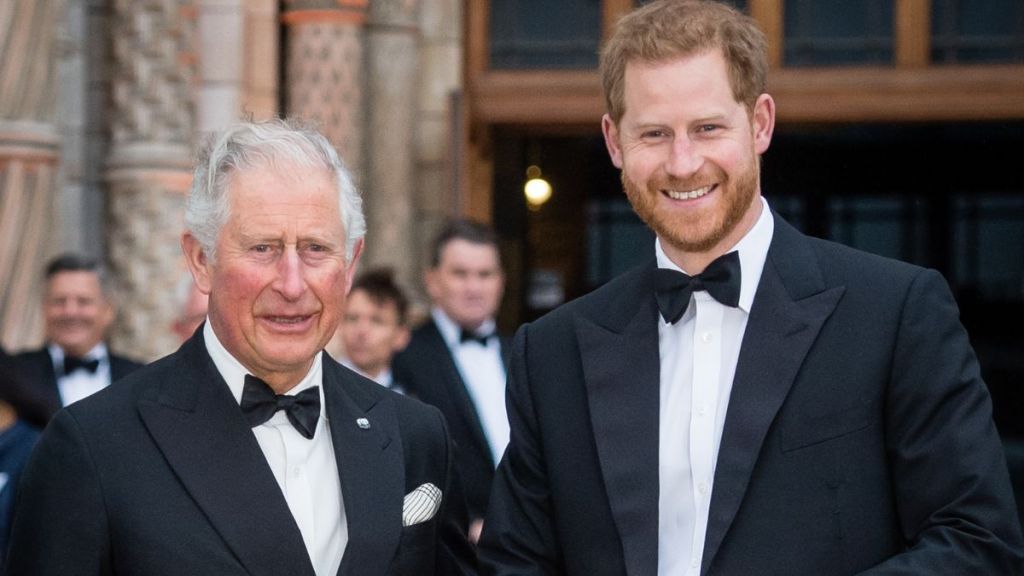
Prince Harry’s account of his relationship with his father, King Charles III, has been placed under fresh scrutiny after a former partner of another senior royal reportedly offered a very different memory of Charles as a parent. The woman at the centre of the story is Ruthie Henshall, a musical-theatre performer who dated Prince Edward for around five years. In her new book, The Showgirl And The Prince, Henshall reportedly recalled witnessing Charles interacting warmly with his two sons, Prince William and Prince Harry, during a visit to Balmoral. Her recollection describes the then-Prince of Wales playing energetically with the boys, who were around 10 and eight years old at the time. According to the account, Charles chased them through the corridors while they laughed and played, leaving Henshall with the impression that he clearly loved his children. That memory has attracted attention because it appears to conflict with one of Harry’s most striking claims in his 2023 memoir, Spare. Harry wrote about his father’s emotional reserve and claimed that Charles did not hug him after the death of Princess Diana. The contrast is striking: one account presents a father enjoying a carefree moment with his young sons, while Harry’s recollection describes a relationship in which physical affection was apparently absent. Neither account can automatically be treated as a complete record of Charles and Harry’s relationship, but the differing memories highlight how complicated family experiences can be. (Reality Tea)
Henshall’s recollection is particularly notable because she was not simply describing something she had heard from another person. According to the report, she was present around the Royal Family during the years she was romantically involved with Edward and therefore had opportunities to observe members of the family herself. Her reported description of Charles playing with William and Harry offers a snapshot of the brothers during their childhood, before the later conflicts that would come to dominate Harry’s relationship with the institution. The image is remarkably ordinary: two young princes running through Balmoral while their father plays with them. That scene stands in sharp contrast to the public perception of Charles that sometimes emerged from Harry’s later accounts, particularly the portrayal of a father who could appear emotionally restrained. It is important, however, not to interpret Henshall’s recollection as proof that Harry’s memories are false. A single happy childhood memory does not establish that every aspect of a parent-child relationship was affectionate. Likewise, Harry’s description of feeling a lack of physical affection does not mean Charles never showed warmth. Families are rarely that simple. A parent can be loving in one moment and emotionally distant in another, while children can remember the same relationship differently depending on their age and circumstances. Henshall’s story therefore adds another perspective rather than providing a definitive verdict on the relationship between Charles and his younger son. (Reality Tea)
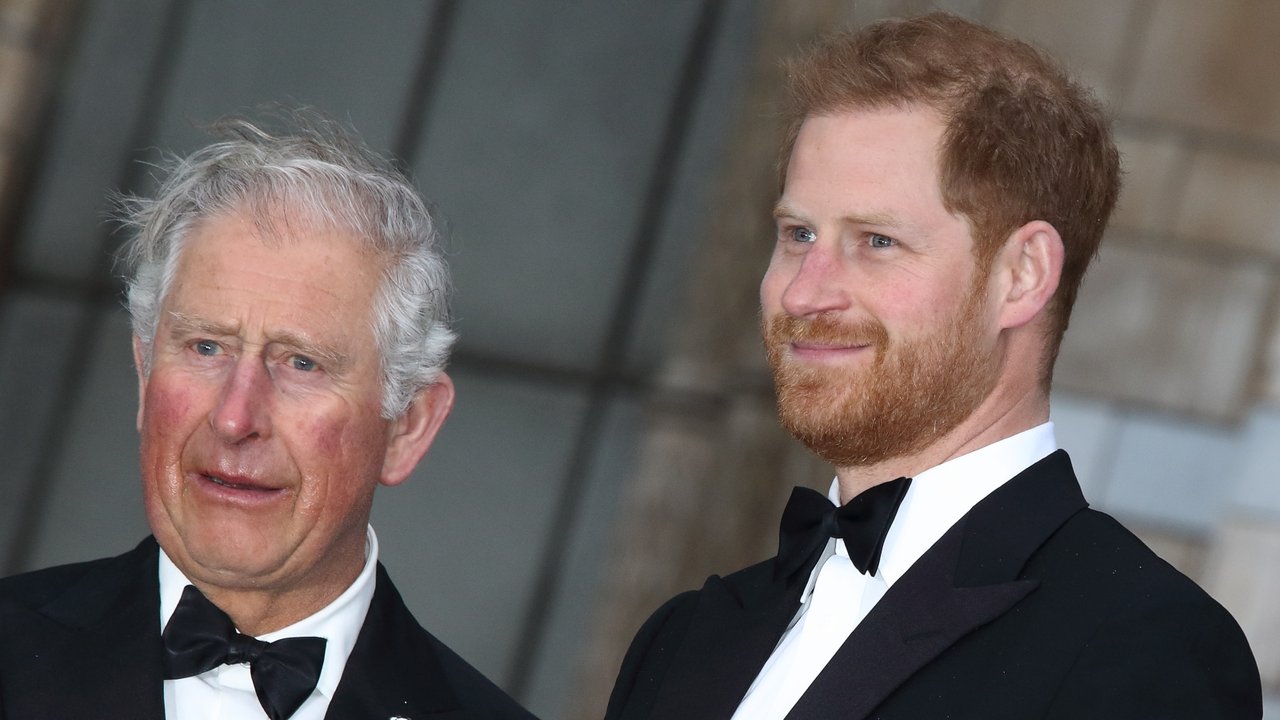
The timing of the reported recollection also matters because Harry’s most controversial comments about Charles emerged years after the childhood events themselves. When Spare was released in 2023, Harry offered readers an unusually intimate account of his upbringing, his relationship with William and his interactions with Charles. Among the most painful passages concerned the aftermath of Diana’s death in 1997. Harry described Charles as a man who was not suited to becoming a single parent and recalled the emotional distance surrounding that devastating period. His account suggested that Charles struggled with the demands of parenting his sons following the breakdown of his marriage to Diana and her subsequent death. Harry’s interpretation was deeply personal, shaped by grief and the loss of his mother when he was only 12. Henshall’s memory, by comparison, concerns a much earlier and apparently happier period when the brothers were children and Charles was still Prince of Wales. That difference in timing may be crucial. People change, circumstances change and relationships evolve. The Charles who played with his sons at Balmoral may not have behaved identically during every period of their lives. Similarly, Harry’s recollections were shaped by events that occurred over decades. The fact that two descriptions differ does not necessarily mean one person is lying. Instead, it demonstrates how difficult it can be to reconstruct a private family relationship from isolated memories, particularly when those memories later become part of a global public controversy. (Reality Tea)
The story also sheds light on the complicated position Harry occupied within the Royal Family as he grew up. William was the heir to the throne, while Harry was the younger son whose role was fundamentally different. That distinction became one of the central themes of Spare, with Harry presenting himself as the spare to William’s heir. Their childhood relationship therefore existed within an unusual family structure in which affection and rivalry were intertwined with constitutional expectations. Charles was not only their father but also the future king who had to prepare William for a unique public role. Harry, meanwhile, was expected to support the institution without carrying the same constitutional responsibility. For much of their childhood, the brothers were portrayed publicly as close companions, but their adult relationship eventually became deeply strained. Harry’s departure from royal duties with Meghan Markle, his relocation to the United States and his subsequent interviews transformed private disagreements into an international story. Against that background, Henshall’s recollection of Charles playing with both boys is especially interesting because it captures the family before the fractures became public. It shows the princes not as competing adults surrounded by palace controversy, but simply as children being chased by their father through a country residence. That image may be one reason the new account has attracted so much attention from royal watchers. (Reality Tea)

Another important question is what Henshall’s memory actually proves about Harry’s claim. In reality, it may prove far less than either supporters or critics of the Sussexes might want. Her recollection is evidence of one moment she says she witnessed, not a complete biography of Charles’s parenting. Harry’s memoir is similarly a personal account rather than an objective record of every interaction between father and son. The two accounts can exist simultaneously. Charles could have played affectionately with his sons at Balmoral while also failing to provide the kind of emotional support Harry later felt he needed. A child can experience warmth in some moments and distance in others. The significance of Henshall’s account is therefore not that it destroys Harry’s version, but that it complicates it. The Royal Family has long been subject to carefully controlled public images, and Harry’s memoir broke with that tradition by exposing highly personal memories. Now, another person who spent time around the family has offered a different glimpse. Her story encourages readers to consider whether the reality was more nuanced than either the official royal image or Harry’s later criticisms suggest. Charles may have been an affectionate father in ways that Harry did not always recognise, while Harry’s feelings about his father’s shortcomings can still be genuine. The contradiction is precisely what makes the story so compelling. (Reality Tea)
The renewed discussion comes at a particularly sensitive time for Harry and Charles because reports in recent months have suggested that father and son may be attempting to rebuild their relationship. Harry has continued to express affection for his family despite the extraordinary public disagreements that followed his departure from royal duties. Recent reports have also focused on the possibility of reconciliation, with some sources claiming Harry understands how to approach Charles as a father rather than simply as the monarch. Those reports remain claims from insiders rather than confirmed statements from the Palace, but they demonstrate that interest in the father-son relationship has not diminished. Indeed, the possibility of reconciliation makes Henshall’s account even more intriguing. If Harry and Charles are genuinely trying to repair their relationship, competing memories of the past may become less important than how they choose to understand those memories going forward. Charles has rarely responded publicly to the detailed allegations contained in Spare, while Harry has had multiple opportunities to explain his side. That imbalance has allowed speculation to flourish. An outside recollection such as Henshall’s can therefore attract attention because it appears to offer a glimpse of a Charles that Harry’s public narrative does not always emphasise: a father who could be playful, affectionate and physically engaged with his children. (Reality Tea)
Ultimately, Ruthie Henshall’s reported recollection does not settle the long-running debate over Prince Harry’s relationship with King Charles, but it does add a fascinating new layer to the story. Her memory of Charles playing with William and Harry at Balmoral presents an image of the future king that is strikingly different from the emotionally distant father described in some passages of Spare. Yet the two accounts do not necessarily have to cancel one another out. One captures a particular childhood moment; the other reflects Harry’s broader emotional experience across years of family life. The truth may lie somewhere between those competing perspectives, in a relationship that contained affection, disappointment, grief, duty and misunderstanding. What remains undeniable is that Harry’s relationship with Charles has become one of the defining stories of the modern Royal Family. As reports of possible reconciliation continue, every new memory of the father Harry once knew carries unusual significance. Henshall’s account may therefore matter less as a rebuttal and more as a reminder that there are still parts of the Sussex family story the public has never seen. If Charles really was as affectionate with his young sons as Henshall remembers, could that forgotten childhood bond eventually become the key to understanding — and perhaps repairing — the complicated relationship Prince Harry has spent years trying to explain? (Reality Tea)