Prince Harry and Meghan Markle’s reported decision to return to the United Kingdom has suddenly placed the Sussexes back at the center of the royal conversation, only six years after they walked away from life as senior working royals. The couple are expected to spend an extended period in Britain with their children, Prince Archie and Princess Lilibet, while continuing to maintain their life and property in California. The move is significant because it appears to represent a dramatic change in direction for a family that once seemed determined to build a permanent future in America. According to reports, Archie and Lilibet are expected to attend school in Britain from September, giving them a much closer connection to their father’s homeland and the wider royal family. Harry and Meghan, however, are not returning as working royals, and they are reportedly expected to live in a private, non-royal residence rather than one of the monarchy’s official homes. Reuters reported that Buckingham Palace had not formally commented on the relocation, although a source close to the couple confirmed the plans. The timing is particularly striking because the move comes after months of speculation about whether Harry’s relationship with his father, King Charles, was beginning to improve. The Sussexes’ return could therefore be interpreted as a family decision, a practical decision for their children, or even an attempt to establish a new kind of relationship with Britain. But behind the optimistic headlines lies a much bigger question: after everything that happened between the Sussexes and the Royal Family, can they really return without reopening the wounds that forced them to leave?

Harry and Meghan’s journey away from Britain began in late 2019, when they stepped back from the intense pressures of royal life and temporarily relocated to Canada. In January 2020, they announced that they intended to become financially independent and no longer work as senior members of the Royal Family. By March, they had formally stopped carrying out official royal engagements, and later that year they established their home in Montecito, California. Their new American life quickly became a mixture of family, media projects and commercial ambitions. The couple signed major entertainment deals, including a reported $100 million Netflix agreement and a $20 million Spotify deal, while Harry published his memoir Spare and the couple released their Netflix documentary Harry & Meghan. But their American dream did not develop exactly as many expected. Some projects attracted enormous attention, while others struggled to generate the same impact. Their Spotify partnership ended after Meghan’s Archetypes podcast completed only one season, and Netflix subsequently moved toward a more limited arrangement. These setbacks have fueled speculation that the couple’s position in the American entertainment industry may not be as secure as it once appeared. Yet it would be too simplistic to describe their return to Britain as a failure in America. Harry has continued his work with veterans and the Invictus Games, while Meghan has pursued lifestyle, media and entertainment opportunities. Their return can therefore be seen less as abandoning California and more as creating a second base in Britain. The Sussexes appear determined to keep the independence they fought for while reconnecting with the country they once left behind.
One of the most important reasons behind the move may be the children. Archie and Lilibet have spent most of their lives in California, far from the daily presence of Harry’s father and the wider British royal family. Reports that the children will begin attending school in Britain represent a major change in their upbringing. The move could give them opportunities to develop stronger relationships with their royal relatives while also allowing them to experience a part of their father’s heritage that has previously existed mostly through occasional visits. People reported that the family is relocating in August 2026 and that Archie and Lilibet are expected to begin school in Britain in September, while the Sussexes will retain their Montecito home. The decision also comes shortly after a significant reunion with King Charles. In July, Harry, Meghan and their children reportedly met the King at Highgrove, marking an important moment after years of distance. Reuters reported that Charles had not seen Archie and Lilibet together since 2022. For a grandfather, the prospect of having greater access to his grandchildren could be enormously meaningful. For Harry, it could also represent an opportunity to give his children something he may feel they have been missing: a genuine connection to the country, family and traditions that shaped his own childhood. That does not necessarily mean the children will become part of official royal life. Instead, the Sussexes appear to be creating a private family arrangement that allows Archie and Lilibet to know their relatives without requiring Harry and Meghan to return to their former roles.

However, the biggest obstacle to a peaceful return may be the unresolved relationship between Harry and Prince William. The brothers’ rift has become one of the most persistent stories surrounding the modern Royal Family. Harry’s interviews, the Netflix documentary and his memoir exposed deeply personal details about disagreements between the brothers, leaving trust badly damaged. Reports in August 2026 continue to suggest that the relationship remains strained, even as King Charles appears more open to reconnecting with Harry. The Times reported that there were still no clear signs of reconciliation between William and Harry, while Vanity Fair reported concerns within the Royal Family about the possibility of the Sussexes seeking some form of part-time royal role. This creates a particularly difficult situation because William is not simply Harry’s older brother. He is the heir to the throne and the future head of the institution from which Harry and Meghan chose to withdraw. Any attempt by the Sussexes to establish a new position in Britain would therefore have implications beyond family relationships. William and Catherine, Princess of Wales, have spent years building their own public roles and preparing for the future monarchy. They may be willing to welcome Harry privately, but that does not necessarily mean they would support any arrangement that blurs the boundary between being a private member of the family and being a working royal. The Sussexes’ return could therefore become a test of whether personal reconciliation can happen without creating institutional uncertainty.
There is also the question of Meghan’s professional future. Her return to Britain has coincided with renewed reports about a possible return to acting, something she largely left behind when she married Harry in 2018. Recent reports have linked her to a potential role in the Netflix series The Gentlemen, although the situation has become uncertain. The Daily Beast reported that a proposed role was allegedly withdrawn amid backlash, while other outlets have reported competing accounts about whether the project was ever formally confirmed. The uncertainty illustrates the challenge Meghan may face if she attempts to rebuild an entertainment career in Britain. Her global fame guarantees enormous attention, but fame can be both an asset and a liability. Any acting role would immediately be discussed through the lens of her royal history, her relationship with Harry and the couple’s controversial departure. Instead of simply being judged as an actress, she could find herself carrying the weight of the Sussex brand into every professional project. At the same time, Britain could offer opportunities that are difficult to reproduce from California. Harry remains strongly connected to British charitable causes and veterans, while Meghan could potentially use her public profile to develop new media and lifestyle projects. If handled carefully, their return could allow both to create a broader international identity. But if every project becomes entangled in royal controversy, the move could make their professional ambitions even more difficult.
Security will remain another major concern. Harry has spent years fighting for protection when visiting Britain, arguing that the risks associated with his public profile require appropriate security arrangements for himself and his family. The issue became one of the major barriers to bringing Meghan and the children to Britain for longer periods. Now that the family is reportedly planning an extended stay, the question of how they will be protected is likely to return to public debate. The Sussexes are not expected to move into a royal residence or receive a restoration of their former working-royal status, meaning their arrangements will have to reflect their position as private individuals. At the same time, their names alone can attract crowds, photographers and intense media attention. This makes the idea of a completely ordinary private life in Britain extremely difficult. Their children will also require privacy as they begin school, and the family will need to balance public interest against their desire to keep daily life away from cameras. The success of the move may therefore depend on whether Harry and Meghan can establish firm boundaries from the beginning. If those boundaries hold, their return could become relatively normal over time. If they do not, every school appearance, royal family gathering or public event could become another international headline. The Sussexes may be returning to Britain physically, but they are also returning to the environment in which their most difficult public battles began.
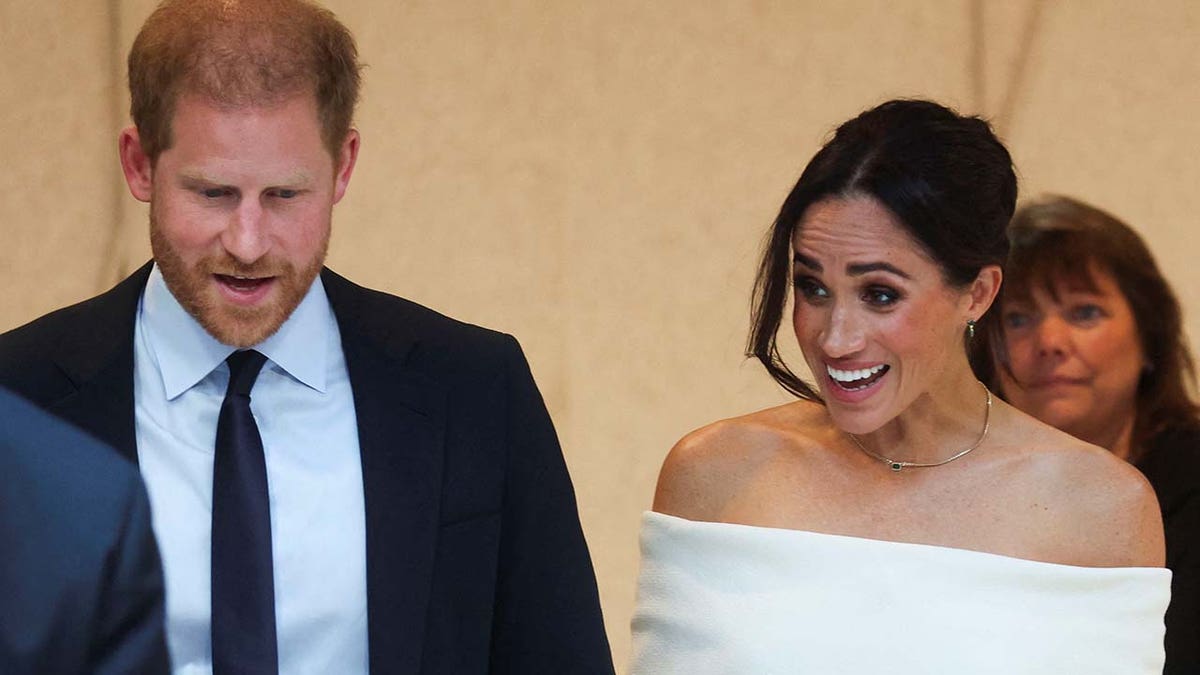
Ultimately, Harry and Meghan’s reported return is neither a simple homecoming nor a straightforward return to royal life. It is something much more complicated: an attempt to create a new relationship with Britain while preserving the independence they built in America. Their children may be at the heart of that decision, giving Archie and Lilibet a chance to know their British relatives and experience a different part of their heritage. King Charles may see the move as an opportunity to rebuild his relationship with his son and grandchildren, while William and other members of the Royal Family may remain cautious because the wounds of the past have not disappeared. Meanwhile, Meghan’s reported professional ambitions and Harry’s continuing charitable work could give the couple new reasons to spend time in Britain. The Guardian’s latest assessment of their American ventures suggests that the Sussexes have faced significant challenges turning their enormous public profile into consistently successful media projects, making their future direction increasingly uncertain. But the most fascinating part of this story is that the Sussexes now appear to be attempting something they once seemed determined to avoid: building a life close to the Royal Family without actually becoming working royals again. That delicate balance could succeed if everyone accepts the new boundaries. Yet if old grievances, commercial ambitions or unresolved family tensions return, their homecoming could quickly become another royal crisis. So is Harry and Meghan’s return really the beginning of a quieter family life in Britain—or could moving closer to the monarchy bring the Sussex drama back more powerfully than ever?