THE WARNING THAT HAUNTED THE TRIAL — Inside the Moment Lucy Letby Was Accused of Questioning a Call for Help
A tense moment from Lucy Letby’s murder trial emerged when a neonatal assistant told jurors that she had been left shocked after Letby questioned why she had called for help when a baby’s oxygen levels suddenly fell. The evidence came from Lisa Walker, a neonatal assistant who was working alongside Letby in a room at the Countess of Chester Hospital. Walker recalled that the two women had been feeding babies in opposite corners of the room when an alarm sounded at the cot where Letby was working. According to Walker, the alarm indicated that the baby’s oxygen saturation had dropped. Letby stopped the feed being delivered through a nasogastric tube, attempted gentle stimulation and then gave the infant oxygen through a facial mask. When the baby initially failed to respond, Walker said she called for assistance as another nurse passed the doorway. A doctor subsequently entered the room, and by then the baby’s oxygen levels had improved. Yet Walker told Manchester Crown Court that Letby later asked her, quite firmly, why she had shouted for help. Walker said she was shocked because, in her view, there could never be too much assistance when a baby was failing to recover. The incident stayed in her memory precisely because she felt she had been “told off” for seeking help during a worrying situation. However, an important qualification emerged during cross-examination: Walker could not remember when the incident occurred or identify the baby involved, and she said she had personally witnessed nothing about Letby’s actions toward the infant that caused her concern. (The Independent)

The testimony became significant because prosecutors were attempting to build a wider picture around the events at the neonatal unit during the period covered by the case. Letby was accused of murdering seven babies and attempting to murder ten others, allegations she denied. The prosecution’s case involved a series of medical incidents in which babies who had previously appeared stable suffered unexpected collapses or deteriorations. Walker’s account did not itself establish that Letby had harmed the baby involved, and the defence highlighted exactly that point. When asked whether she had seen anything concerning in Letby’s actions toward the infant, Walker answered no. She also rejected the suggestion that she interpreted Letby’s question as meaning that medical assistance had been unnecessary. Those details mattered because the court had to distinguish between an unusual interaction between colleagues and evidence directly relevant to the allegations. A nurse questioning why assistance was requested could be interpreted in different ways depending on the circumstances, and Walker’s evidence did not provide a definitive explanation for Letby’s motivation. What made the testimony memorable was the emotional reaction of the witness rather than a direct observation of wrongdoing. She described herself as shocked and taken aback because asking for help during a neonatal emergency was, in her view, entirely reasonable. The defence therefore had an opportunity to remind jurors that not every uncomfortable or unusual workplace interaction was evidence of criminal conduct. The testimony formed one piece of a much larger prosecution case that jurors were required to assess in its entirety rather than in isolation. (The Independent)
The trial then moved toward one of the most serious allegations concerning Child D, a baby who the prosecution said died after a dramatic and unexplained deterioration during a night shift in June 2015. Dr Andrew Brunton, a registrar who attended the baby, told the court that there had initially been no particular concerns when he began his night shift. Yet the situation changed significantly during the early hours of 22 June. Nurses called the doctor to the baby’s bedside three times, and the infant eventually died. When prosecutors asked him to describe what had happened, Dr Brunton said the baby experienced dramatic deteriorations between approximately 1.40am and the time of death. What particularly stood out in his evidence was his explanation for why the deterioration had been so difficult to understand. He said he had never seen a baby behave in that manner before and had not seen the same pattern afterwards. That testimony gave prosecutors an opportunity to emphasise the unusual nature of the medical episode. The Crown alleged that Letby had injected a fatal amount of air into Child D’s bloodstream, and prosecutors also alleged that air was administered to other babies through a nasogastric tube. The medical evidence therefore became central to the prosecution’s attempt to explain why apparently unexpected collapses had occurred. Yet the significance of each event had to be considered against the evidence from medical witnesses, nurses and the defence. The court was not simply being asked whether the incidents were unusual; jurors had to consider whether the prosecution had established that Letby was responsible for deliberate harm beyond reasonable doubt. (The Independent)
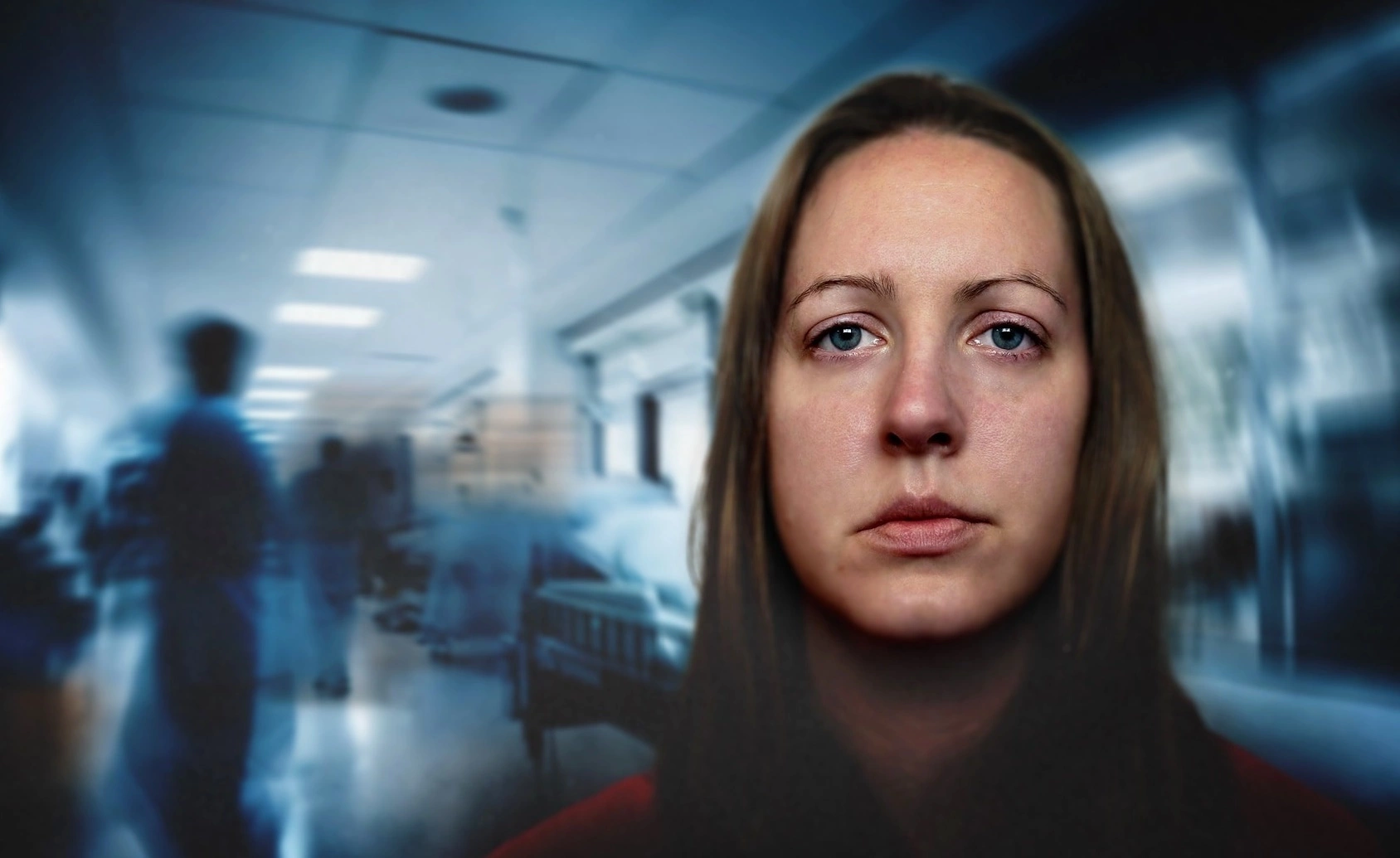
The contrast between Walker’s testimony and Dr Brunton’s evidence illustrates the complexity of the trial. Walker described a workplace interaction that she remembered because Letby had questioned her decision to seek assistance. But Walker could not identify the baby, could not date the incident and did not see anything in Letby’s treatment of the infant that caused her concern. Dr Brunton, meanwhile, described a specific baby whose condition deteriorated dramatically and whose death prosecutors linked directly to the allegations against Letby. These different forms of evidence were being presented to jurors side by side, requiring them to separate what witnesses personally observed from what they later came to believe about events. In a case involving multiple babies and numerous medical incidents, that distinction was particularly important. A witness might remember a conversation years later without being able to remember the precise date, while a doctor could provide detailed evidence about a particular medical episode without being able to explain why it occurred. The prosecution sought to connect those individual pieces into a coherent account, while the defence was able to challenge the reliability and interpretation of some of the evidence. Walker’s cross-examination demonstrated this tension clearly. The defence established that she had no specific concern about Letby’s actions toward the baby and that she did not believe Letby had asked her question because she thought assistance was unnecessary. That did not erase Walker’s recollection of feeling shocked, but it placed the incident in a more complicated context than the initial testimony alone might have suggested. (The Independent)
Another important element was the timing of the events. Prosecutors told the court that Child D was allegedly the third baby Letby murdered within a two-week period, with another child suffering a life-threatening collapse during the same period. Such timing formed part of the prosecution’s broader argument about a cluster of incidents. The case attracted intense attention partly because of allegations that a number of serious medical events occurred during Letby’s shifts at the Countess of Chester Hospital. Investigators and prosecutors subsequently examined medical records, staff accounts and the circumstances surrounding individual collapses. During the trial, however, each allegation had to be tested separately against the evidence. The fact that incidents occurred during the same period did not, on its own, establish responsibility. That is why testimony from doctors and nurses became so important. Their recollections could potentially clarify what happened before, during and after a baby deteriorated. In Child D’s case, Dr Brunton’s account of repeated calls from nurses suggested that staff had become sufficiently concerned to seek medical assistance several times during the night. His description of the baby’s deterioration also became part of the prosecution’s medical narrative. At the same time, the defence had to challenge whether the medical evidence reliably established the alleged mechanism of harm and whether the prosecution had correctly interpreted what happened. The jury was therefore confronted with a complicated combination of clinical evidence, witness memories and competing interpretations of events that had occurred years earlier. (The Independent)
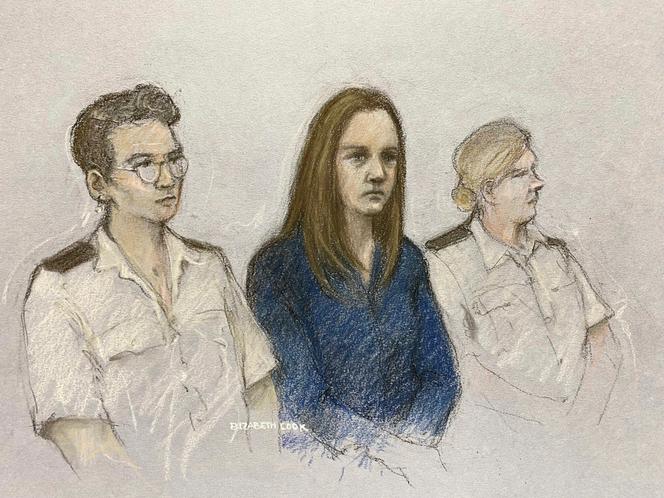
The courtroom exchange involving Walker also revealed how ordinary workplace decisions could later acquire a very different significance when examined during a murder trial. Calling for help is normally an instinctive response when a vulnerable patient suddenly deteriorates. Walker told prosecutors that she shouted because the baby was not improving after oxygen had been administered. From her perspective, bringing another healthcare professional into the room was an entirely appropriate response. Her surprise came from being questioned afterward. Yet because she could not remember the baby or the date, the precise circumstances remained unclear. That uncertainty became an important part of the defence case. The jury had to consider not only what Walker remembered but also what she did not remember. Memories formed during stressful medical situations can be powerful, but they may not preserve every factual detail. The defence therefore used questioning to establish the limits of Walker’s recollection and to underline that she had not personally witnessed conduct by Letby that she considered suspicious. This is a crucial distinction in a case as serious as this one. A witness describing an unusual comment does not automatically establish the reason behind that comment. Likewise, a doctor describing an unexplained medical deterioration does not automatically establish that it was caused deliberately. The prosecution needed to connect the evidence together convincingly, while the defence was entitled to challenge every link. That process was at the heart of the trial, as jurors were required to evaluate a large volume of evidence and decide whether the allegations had been proved. (The Independent)
Ultimately, the evidence described in this stage of the trial presented jurors with two unsettling but very different pictures: a nurse recalling a moment when she felt criticised for calling for help, and a doctor describing a baby whose condition deteriorated in a way he found extraordinarily difficult to explain. Neither piece of testimony could be treated as proof in isolation. Walker explicitly acknowledged that she did not see anything in Letby’s actions toward the baby that caused her concern, while Dr Brunton’s evidence concerned the medical circumstances surrounding Child D’s death and the prosecution’s allegation that air had been introduced into the infant’s bloodstream. Letby denied the offences alleged against her. The trial therefore depended on jurors carefully examining the full body of evidence rather than allowing one dramatic recollection to determine their conclusions. The questioning of Walker showed how prosecutors sought to establish the atmosphere and events surrounding incidents at the neonatal unit, while the defence repeatedly tested the limits of witnesses’ memories and interpretations. Years after the events, small details from shifts at the hospital were being reconstructed inside a courtroom where the consequences were enormous. The story of the baby who failed to respond, the call for help, the doctor arriving and the later question about why assistance had been requested became another piece of a much larger and intensely scrutinised case. But one question remained at the heart of the unfolding evidence: was the unusual interaction between colleagues simply a tense moment during a frightening neonatal emergency — or would investigators and prosecutors ultimately uncover something that gave that forgotten warning a far darker meaning? (The Independent)