LUCY LETBY BOMBSHELL — The Doctor Obsession At The Heart Of A Chilling Motive Theory

Lucy Letby’s alleged obsession with a doctor at the Countess of Chester Hospital has returned to the spotlight after the doctor, known throughout her trial as Dr A, died following an illness. The renewed attention has focused on one of the most controversial elements of the prosecution’s case: the suggestion that Letby’s intense relationship with the doctor may have provided a motive for some of the attacks on newborn babies. Letby is serving 15 whole-life orders after being convicted of murdering seven babies and attempting to murder seven more, and she continues to maintain her innocence. During her trial, prosecutors presented evidence that she and Dr A had exchanged more than 1,300 messages and had developed what was described as an unusually close relationship. Letby became visibly emotional when the doctor gave evidence and reportedly attempted to leave the courtroom after his identity was confirmed. Prosecutors argued that her feelings for him were significant and that some of the medical emergencies she allegedly caused may have been linked to her desire to attract his attention. But that interpretation has become the subject of fierce criticism from some experts and campaigners who question whether the relationship can legitimately be treated as evidence of motive. Statistician Professor Richard Gill has argued that the prosecution’s explanation was essentially constructed because there was no clear motive available. His comments have added another layer to an already highly controversial case, particularly as Letby’s legal team continues to challenge her convictions.
The relationship between Letby and Dr A became important during the original trial because of the volume and nature of their communications. The inquiry has heard that the pair exchanged 1,355 Facebook messages from June 2016, ranging from casual conversations to discussions about newborn patients that were described as inappropriate. Dr A was a registrar working at the hospital and became someone Letby appeared to trust deeply. In personal notes, she reportedly described him as her best friend and love, while prosecutors characterised the relationship as an intense emotional attachment. The doctor later told investigators that he had offered Letby support because she appeared to be struggling with her mental health and anxiety. Their communication reportedly continued throughout the day and sometimes late into the night or early morning. After Letby was removed from the neonatal unit, Dr A continued to offer support and even told her that she was still the best neonatal nurse he had worked with. Those details have become significant because they demonstrate how close their relationship had become at a time when concerns about Letby were beginning to emerge. The inquiry has also heard allegations that Dr A provided Letby with confidential information about babies and helped secure her an unauthorised placement at another hospital while suspicions were already surrounding her. These revelations have raised difficult questions about professional boundaries and whether the doctor understood the seriousness of the concerns being raised around Letby. Yet none of this, by itself, establishes that the relationship caused or motivated any criminal act. That distinction remains crucial as the case continues to attract scrutiny.
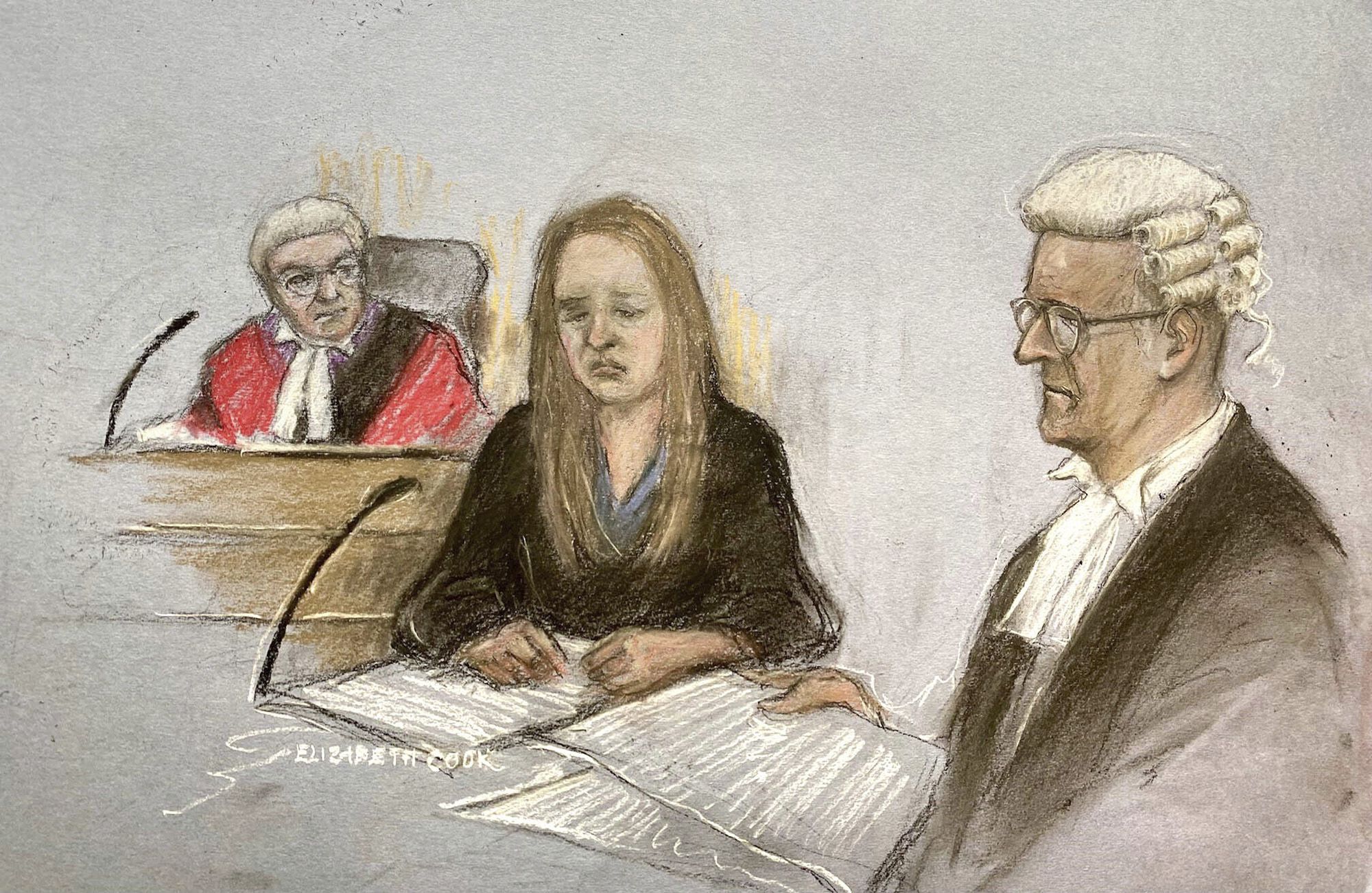
One of the most dramatic moments came during Letby’s trial when Dr A gave evidence. The court heard about messages and interactions that prosecutors said demonstrated her emotional attachment to him. At one point, when the doctor’s identity was confirmed, Letby broke down in tears and tried to leave the courtroom. Prosecutors used the relationship to construct a narrative around some of the alleged attacks, suggesting that Letby may have deliberately created medical emergencies in circumstances where Dr A was present or likely to become involved. One example concerned a baby identified as Child N, where the prosecution highlighted communications between Letby and the doctor around the time of the alleged attempted murder. Another sequence involved the aftermath of a medical crisis, when Dr A reportedly told Letby that he had been glad she was there and felt safe with her. Prosecutors suggested that such interactions demonstrated how much she valued his attention. They also pointed to the timing of certain incidents as evidence supporting their theory. However, Letby denied that Dr A was her boyfriend and rejected the suggestion that she had committed crimes to attract his attention. The jury ultimately convicted her on the charges that formed the basis of her sentence, but several other allegations did not result in convictions. The distinction is important because the prosecution’s theory about motive should not be confused with a separate factual finding that the doctor relationship caused the crimes. The relationship was part of the narrative presented to the jury, but motive and proof of an offence are not the same thing.
The theory has nevertheless attracted fierce criticism from Professor Richard Gill, who has become one of the prominent figures questioning the safety of Letby’s convictions. Gill previously played a role in campaigns involving nurses Lucia de Berk and Daniela Poggiali, whose convictions were later overturned. He has argued that the idea of Letby carrying out attacks to attract Dr A’s attention does not withstand scrutiny. According to Gill, the prosecution faced a major problem because it could not demonstrate a clear motive, and he believes the relationship was therefore turned into an explanation for the alleged crimes. His criticism is part of a wider dispute surrounding the evidence used against Letby. Gill and other supporters of the appeal have argued that the convictions relied heavily on circumstantial evidence and that there was no direct “smoking gun” linking Letby to the deaths in the manner alleged. Letby’s defence has continued to maintain that the babies may have died from natural causes or complications that were not properly understood at the time. Her case has now been submitted to the Criminal Cases Review Commission, which is considering claims concerning the safety of her convictions. These arguments do not erase the verdicts already reached by juries, nor do they establish that Letby is innocent. They do, however, explain why the question of motive has become so important. If the prosecution’s explanation of why Letby would allegedly harm babies is challenged, campaigners argue that the wider interpretation of the evidence should also be examined. The debate is therefore no longer simply about a relationship between two hospital colleagues. It has become part of a much larger argument over whether the evidence used to convict Letby has been interpreted correctly.
The doctor’s death has added an unexpected and deeply personal dimension to that debate. Dr A had remained a significant figure in the story because he gave evidence against Letby and later became the subject of scrutiny during the public inquiry into events at the hospital. He was described as being in his 50s and had reportedly been suffering from illness before his death. Because he had previously been protected by reporting restrictions, his death has prompted renewed calls for his identity to be made public. The inquiry is examining his conduct and the circumstances surrounding his relationship with Letby, including the communications they exchanged and the support he provided after she was removed from the neonatal unit. One of the most troubling questions concerns the information that may have been shared between them. The inquiry heard that their conversations included details about newborn patients, raising concerns about whether confidential medical information was handled appropriately. The doctor later said he believed Letby was struggling psychologically and that his intention had been to support her. He also described being misled or possibly manipulated by her into providing information about babies. That testimony has become an important part of the continuing examination of how Letby was able to remain in the hospital environment while concerns were developing. The public inquiry is separate from the criminal proceedings and is not itself determining whether Letby committed the offences for which she was convicted. Instead, it is examining how the hospital responded to concerns, how the alleged crimes could have happened and whether opportunities were missed to protect vulnerable babies.
The controversy surrounding Letby has also grown because the criminal case is not the only process still examining what happened at the hospital. The Thirlwall Inquiry is investigating the circumstances surrounding the deaths and collapses of babies at the Countess of Chester Hospital and the response of medical staff and management. Meanwhile, Letby’s lawyers have continued pursuing challenges to her convictions, and questions have been raised over evidence involving the medical conditions of the babies. Earlier this year, prosecutors decided that Letby would face no new criminal charges relating to six additional babies after an independent review concluded that the evidential threshold had not been met. The decision does not alter her existing convictions, but it illustrates how closely the wider case continues to be examined. Families of other babies had hoped that further charges might follow, but the review upheld the decision not to prosecute. At the same time, new forensic and medical arguments have been submitted on behalf of Letby as part of efforts to challenge the safety of her convictions. This means the story surrounding the nurse remains far from finished, even though she is already serving a whole-life sentence. The dispute over Dr A’s role has become particularly significant because it touches both the prosecution’s original theory and the broader question of how investigators interpreted Letby’s behaviour. Was the relationship genuinely evidence of a motive, or was it simply a complicated personal connection that prosecutors used to explain an otherwise difficult case? That question cannot be answered simply by pointing to the messages. It requires the evidence to be considered in its full context, something that the ongoing inquiry and appeal processes are now continuing to do.
Ultimately, the renewed focus on Dr A has reopened one of the most intriguing unanswered questions surrounding the Lucy Letby case: what, if anything, was the true motive behind the crimes for which she was convicted? The prosecution presented the doctor relationship as part of an explanation for why Letby might have deliberately created medical emergencies, particularly when she wanted his attention or wanted to demonstrate her medical abilities. Letby rejected that interpretation, and critics now argue that it was an unsupported narrative created to fill a gap in the prosecution case. The doctor’s death means he will no longer be able to provide further evidence to the inquiry, although his previous testimony and the extensive digital record of his communications with Letby remain available for examination. The messages, personal notes, medical records and testimony will all continue to be assessed as investigators and lawyers attempt to understand what really happened inside the neonatal unit. What makes the story so compelling is that the relationship can be interpreted in radically different ways. To prosecutors, it represented a possible emotional trigger. To Letby’s supporters, it may simply demonstrate that she had a close friendship with a colleague. And to investigators examining hospital failures, it may reveal how professional boundaries and personal loyalties became dangerously intertwined. None of those interpretations should be treated as proven beyond the findings of the courts. What is certain is that Letby remains convicted and imprisoned while her legal challenges continue. But as the inquiry digs deeper into the hospital’s failures and her appeal process examines the evidence again, the question surrounding Dr A refuses to disappear: was the alleged obsession ever a genuine motive, or did it become one of the most controversial explanations in the entire Lucy Letby case?